

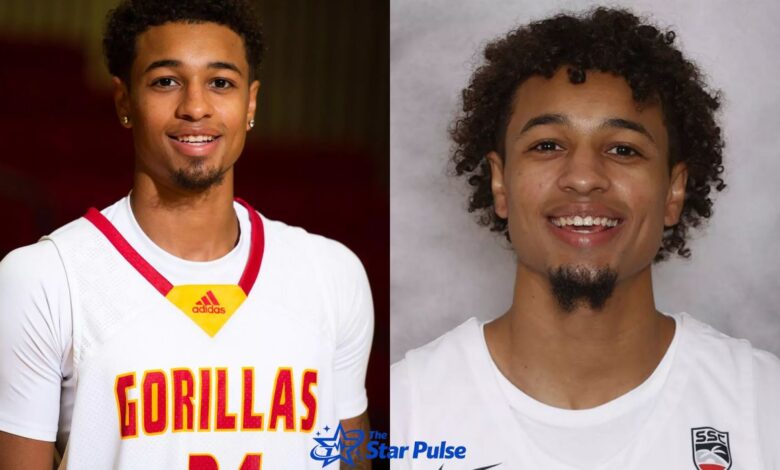
Tyler Hawkins is a name associated with several individuals, including athletes competing in different sports. One verifiable individual with this name is Tyler Michael Hawkins, an American college baseball player who has appeared on Bucknell University’s official baseball roster. His athletic journey provides an interesting example of how young players develop their skills, navigate setbacks, and pursue opportunities in competitive sports. However, information about his personal life is limited, making it important to separate documented facts from assumptions. This Tyler Hawkins biography focuses primarily on the college baseball player, using publicly available athletic information to explore his background, education, sporting career, and prospects. It also explains why searches for Tyler Hawkins bio can produce different results and why identifying the correct person matters when researching his life.
Quick Bio of Tyler Hawkins
| Detail | Information |
|---|---|
| Full name | Tyler Michael Hawkins |
| Known for | College baseball |
| Nationality | American |
| Birth date | March 3, 2006 |
| Birthplace | Los Angeles, California |
| Hometown | Santa Ana, California |
| Sport | Baseball |
| Position | Pitcher |
| College | Bucknell University |
| High school | Foothill High School |
| College classification | Sophomore in 2026 |
| Previous team | Foothill High School baseball |
| Family | Parents Dina and Thomas Hawkins; older brother Patrick |
Who Is Tyler Hawkins?
Tyler Hawkins is a name that appears in several athletic databases, so understanding which individual an article discusses is essential. The college baseball player Tyler Michael Hawkins represents one identifiable person associated with this name. According to Bucknell University’s official athletics website, he plays as a pitcher for the university’s baseball program. His profile includes information about his college seasons, previous school, physical measurements, and athletic performance. These records provide a reliable foundation for discussing his career without relying on rumors or unverified celebrity-style biographies. Unlike widely documented entertainers, Hawkins does not have an extensive public biography covering every aspect of his life. Consequently, a responsible overview should emphasize his established sporting background and avoid unsupported claims about his private activities, relationships, or financial circumstances.
Early Life and Background
Publicly available information identifies Tyler Michael Hawkins as having been born on March 3, 2006, in Los Angeles, California. His hometown is listed as Santa Ana, California, where his background connects him to Southern California’s competitive youth sports environment. Although these details establish part of his personal history, there is little verified information about his childhood experiences, early interests, or daily family life. It would therefore be inaccurate to invent stories about when he first discovered baseball or which childhood experiences influenced his ambitions. What can reasonably be explored is the importance of early athletic development. Players who eventually reach college programs typically spend years developing fundamental techniques, learning team responsibilities, and gaining experience against increasingly challenging competition. Hawkins’s documented high school baseball participation demonstrates that his sporting experience began before his university career.
Family and Personal Life
Bucknell University’s official profile names Dina and Thomas Hawkins as Tyler’s parents and identifies Patrick as his older brother. These details provide a small but meaningful glimpse into his family background. However, publicly accessible records do not establish extensive information about his family’s occupations, private interests, or personal history. It is important not to confuse the limited availability of information with evidence that a person deliberately avoids publicity. College athletes can maintain ordinary private lives while participating in competitive programs that publish their sporting achievements. For readers researching Tyler Hawkins bio, the most accurate approach is to distinguish confirmed family information from speculation. His parents and older brother can be mentioned because the official roster provides those details, but claims about family wealth, relationships, or private circumstances should not be presented as established facts.
Education at Foothill High School
Before joining Bucknell University’s baseball program, Hawkins attended Foothill High School. His high school experience included participation in both baseball and football, according to his college athletic biography. Playing multiple sports can help young athletes develop different physical abilities, improve coordination, and learn how to work within various team structures. Baseball requires concentration, precise movements, and repeated technical practice, while football involves different demands on strength, speed, and tactical awareness. Although individual benefits vary, participating in both sports can offer a broad athletic foundation. Hawkins’s school record also lists baseball recognition, including being named Offensive Player and Pitcher of the Year. These accomplishments help explain his preparation for college-level competition without requiring assumptions about his academic grades or personal experiences at school.
How Tyler Hawkins Developed His Baseball Career
Moving from high school baseball to a university program is an important transition for a young athlete. College baseball generally involves more demanding schedules, stronger competition, structured training, and closer attention to performance. Hawkins’s selection for Bucknell’s roster represents a documented step in his athletic development. His profile identifies him as a pitcher, a role that requires a combination of physical control, strategic thinking, and consistent technique. Pitchers must learn to locate their pitches, manage different hitters, and work effectively with catchers and coaches. They also need to understand how to maintain performance over repeated appearances. Although detailed accounts of Hawkins’s recruitment process are not publicly established in the cited biography, his place on the university roster confirms his participation in organized collegiate baseball.
College Career at Bucknell University
Bucknell University provides the main public record for understanding Hawkins’s recent baseball career. The university competes in NCAA Division I athletics, where players encounter structured training and conference competition. Hawkins’s official roster entry documents appearances during his freshman and sophomore seasons. His freshman campaign in 2025 was limited to three appearances before an injury interrupted his season. In 2026, he appeared in 17 games out of the bullpen, demonstrating a substantially larger role within the pitching staff. These seasons illustrate how a college athlete’s experience can change from one year to the next. They also show why a biography should include season-specific information instead of treating an athlete’s entire career as a single, unchanging record.
Understanding His Role as a Pitcher
Pitching is one of baseball’s most specialized positions. A pitcher delivers the ball toward home plate while attempting to challenge hitters through location, movement, velocity, and changes in timing. Relief pitchers enter games from the bullpen rather than necessarily starting them. Their responsibilities depend on the situation, the team’s strategy, and the number of innings they can effectively cover. Bucknell’s 2026 roster lists Hawkins as a pitcher who made 17 bullpen appearances. This information indicates his role in providing relief during games, although it does not establish that he served as the team’s primary closer or occupied a particular position in the pitching hierarchy. Evaluating his development requires looking at appearances, innings, earned-run average, strikeouts, and other statistics together rather than relying on a single number.
His 2025 Freshman Season
Hawkins’s first documented college season took place in 2025. According to Bucknell’s official statistics, he made three appearances before missing the remainder of the season because of an injury. His recorded earned-run average was 6.73 across four innings. Such a short sample offers limited information about a player’s overall ability because a small number of innings can produce statistics that change considerably with only a few additional outs or runs. The injury also restricted his opportunity to gain experience during that season. Public records do not provide sufficient detail to describe the exact circumstances of the injury or his rehabilitation process. Nevertheless, his freshman season represents an important part of his athletic history because it created a starting point against which his subsequent participation can be considered.
His 2026 Season and Statistical Progress
Hawkins had a more extensive opportunity to appear for Bucknell in 2026. The university’s official roster records 17 relief appearances, 23.2 innings pitched, 18 strikeouts, and a 7.99 earned-run average. These figures provide a measurable snapshot of his season, although they should not be interpreted as a complete judgment of his potential. His profile also highlights several scoreless outings, including appearances against Lafayette and Navy, and notes that he allowed one run over his final four appearances spanning 7.1 innings. Those details add context to the overall numbers by showing that his results varied across the season. A balanced Tyler Hawkins biography should acknowledge both his statistical challenges and documented positive performances rather than exaggerating either side.
High School Athletic Achievements
Hawkins’s high school record includes recognition in both baseball and football. Bucknell lists him as a three-time football letterwinner and a two-time baseball letterwinner at Foothill High School. The same biography identifies him as Offensive Player of the Year and Pitcher of the Year in baseball, alongside second-team all-league recognition in football. These achievements indicate participation and recognition across two sports before college. They also demonstrate why a young athlete’s development cannot always be understood through one season or one statistic. High school recognition provides context about earlier participation, but it does not guarantee particular college results. His subsequent university career reflects the continuing process of adjusting to a different level of competition.
Challenges, Discipline, and Athletic Development
An athlete’s career includes more than statistics and roster announcements. Training, preparation, consistency, and responding to setbacks are important elements of competitive sports. Hawkins’s documented freshman injury and his increased number of appearances in 2026 provide a factual basis for discussing changes in participation across seasons. However, the available sources do not describe his personal feelings, daily training routine, or exact rehabilitation schedule. It would be misleading to present imagined experiences as personal testimony. More generally, pitchers must manage workload, develop reliable mechanics, and maintain physical conditioning throughout a demanding season. Their development often requires cooperation with coaches, athletic trainers, and teammates. Hawkins’s record illustrates the changing opportunities available to a college pitcher, while further conclusions about his individual training methods would require additional verified information.
Public Recognition and Online Searches
People searching for Tyler Hawkins may encounter information about athletes from different schools and sports. For example, public databases list basketball players and football players with the same name. There is also a professional football player named Tayler Hawkins, whose first name has a different spelling. That distinction is important because biographical information about Tayler Hawkins should not automatically be attributed to Tyler Hawkins. Search engines sometimes display similar names together, particularly when individuals share a sport or location. Readers can avoid confusion by checking the university, team, position, school year, and official profile before accepting a claim. For publishers, this also improves article accuracy and helps visitors find the specific biography they intended to read.
Future Prospects and Career Outlook
Tyler Hawkins’s future in baseball will depend on his continued development, health, performance, and opportunities within competitive programs. His 2026 season provided experience through 17 relief appearances, while his statistics identify areas that can be evaluated as his career progresses. Future roster updates may provide additional information about his role, innings, effectiveness, and participation. However, there is currently no sufficient basis to predict a professional contract, major-league career, or specific future achievement. College athletes follow different paths, and performance at one stage does not guarantee a particular outcome. The most useful way to follow Hawkins’s progress is through official Bucknell baseball announcements, updated roster biographies, and season statistics. This approach allows readers to understand his development as new information becomes available.
Final Thoughts
Tyler Hawkins’s biography offers a look at a college baseball player whose documented athletic experience includes high school competition, an interrupted freshman season, and a more active sophomore campaign at Bucknell University. His official record provides useful information about his background, family, position, and performance without revealing every detail of his private life. The distinction between Tyler Hawkins and other people with similar names is particularly important when researching his history. For readers interested in his career, official university records are the strongest starting point for understanding his achievements and following future updates. As his athletic journey continues, new statistics and roster information may provide a clearer picture of his progress and opportunities.
FAQs
1. Who is Tyler Hawkins?
Tyler Michael Hawkins is an American college baseball player listed on Bucknell University’s official roster. He plays as a pitcher and previously participated in baseball and football at Foothill High School.
2. How old is Tyler Hawkins?
Bucknell’s official roster lists his birth date as March 3, 2006. He turned 20 in March 2026. This date applies to the college baseball player discussed in this article, not necessarily to other people with the same name.
3. Where did Tyler Hawkins go to college?
He plays college baseball at Bucknell University. Before joining the university’s baseball program, he attended Foothill High School in California.
4. What position does Tyler Hawkins play?
Hawkins is listed as a pitcher. During the 2026 season, he made 17 appearances out of the bullpen, recording 18 strikeouts in 23.2 innings pitched.
5. What is known about Tyler Hawkins’s family?
Bucknell University’s official biography identifies his parents as Dina and Thomas Hawkins and mentions his older brother, Patrick. More extensive information about their private lives is not established in the available public profile.