

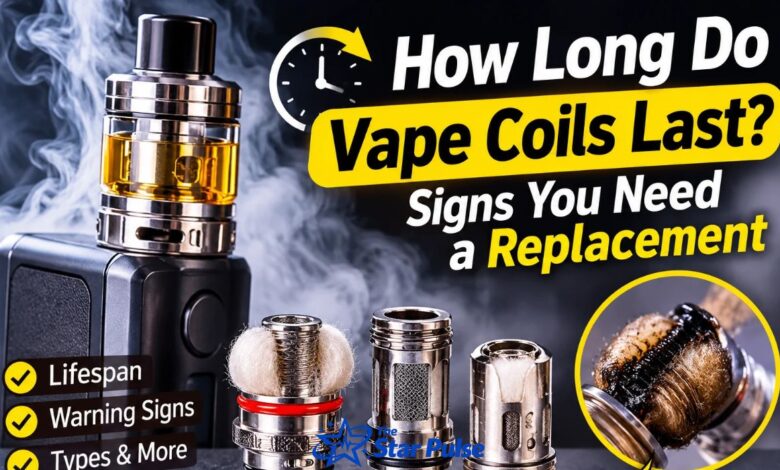
Vape coils are an important component of electronic vaping devices because they help heat e-liquid and produce vapour. However, like other replaceable device components, they gradually wear out through regular use. Understanding how long vape coils last can help users recognize when a coil needs attention and understand why its performance changes over time. Some coils may show signs of wear relatively quickly, while others can remain functional for longer depending on their construction, usage patterns, and maintenance. Factors such as coil resistance, heating material, e-liquid composition, and device compatibility can all influence their lifespan. Learning about these factors also helps readers understand the differences between mesh and regular vape coils, common coil materials, and the meaning of resistance ratings. This guide explores the lifespan of vape coils, common warning signs, their construction, and important considerations surrounding replacement.
What Are Vape Coils?
Vape coils are heating components found inside many electronic vaping devices. They typically contain a resistance wire or mesh structure combined with absorbent material that holds e-liquid. When electricity passes through the heating element, it generates heat. This process changes the liquid into an aerosol that users inhale. Vape coils come in different designs, sizes, and resistance ratings depending on the device. Some are designed for replaceable tanks, while others are integrated into disposable or replaceable pod systems. Their construction influences how they operate and how quickly their components deteriorate. Understanding what vape coils do provides a foundation for recognizing their limitations and identifying when a device component may require professional attention or replacement.
How Long Do Vape Coils Last?
There is no universal lifespan for vape coils because different devices and designs have different operating characteristics. A coil’s useful life depends on its materials, construction, electrical conditions, and exposure to e-liquid. Some may show performance changes after relatively limited use, while others can remain functional for longer. It is important not to rely on a fixed replacement schedule because the same coil model may perform differently under different conditions. Changes in flavour, aerosol production, or device performance can indicate that a component is deteriorating. However, these symptoms can also result from other device problems. Users should consult the manufacturer’s instructions rather than assuming that every coil has an identical lifespan.
Signs That a Vape Coil Needs Replacement
Recognizing changes in device performance is important for identifying possible coil deterioration. Common warning signs include an unusual burnt smell, unpleasant flavour, inconsistent aerosol production, and visible damage. Some devices may also display performance warnings or fail to operate correctly. These symptoms should not automatically be attributed to the coil because battery problems, liquid leakage, or damaged connections may produce similar effects. A burnt smell or unusual taste is particularly important because it can indicate overheating or damaged internal material. Users should stop using a device when these warning signs appear and follow the manufacturer’s safety guidance. Continuing to operate damaged electrical or heating components may create unnecessary risks.
Why Do Vape Coils Wear Out?
Vape coils experience repeated heating cycles during normal operation. Over time, these cycles can affect the heating element and surrounding absorbent materials. Exposure to e-liquid can also contribute to residue accumulation on internal surfaces. Certain ingredients may leave deposits when heated, changing the appearance and performance of the component. Manufacturing quality, electrical characteristics, and device condition can further influence deterioration. Another important consideration is that different coil designs distribute heat differently. Consequently, two products with similar specifications may not demonstrate identical performance. Coil deterioration is therefore not caused by one factor alone but by a combination of physical, electrical, and chemical processes.
Mesh vs Regular Vape Coils
Mesh and traditional wire coils use different heating-element designs. Traditional coils generally use resistance wire arranged into a particular shape, whereas mesh coils use a perforated metal sheet or mesh structure. Their physical construction affects how electrical energy is distributed across the heating surface. Mesh designs can provide a more evenly distributed heating area, depending on the product. Traditional designs vary considerably according to wire material, shape, and resistance. Neither construction automatically guarantees a longer lifespan. Product quality, operating conditions, and compatibility remain important considerations. Understanding these differences helps readers interpret product descriptions without assuming that one design is universally superior or suitable for every electronic vaping device.
What Are Vape Coils Made Of?
Vape coils can contain different metals, including stainless steel, kanthal, and nickel-based materials. The exact material depends on the manufacturer’s design and intended electrical characteristics. Stainless steel is used in various electronic heating applications because of its material properties. Kanthal is an alloy commonly associated with electrical resistance heating. Nickel-based materials have also appeared in certain temperature-control products. The absorbent section may contain cotton or other specialized materials designed to hold liquid. These materials serve different functions within the assembly. Readers should always check product documentation because material names alone do not establish device compatibility, manufacturing quality, or overall safety.
Understanding Vape Coil Resistance
Resistance is measured in ohms and describes how strongly an electrical component opposes the flow of current. Vape coil packaging commonly displays a resistance rating to identify the component’s electrical specifications. Different devices are designed to operate with particular resistance ranges and power settings. Using an incompatible component may result in malfunction or unsafe operating conditions. Resistance should therefore be understood as a technical specification rather than a simple measure of product quality. Users should never assume that a lower or higher resistance rating is automatically better. Following the manufacturer’s stated compatibility requirements is essential when evaluating replacement components.
How E-Liquid Composition Affects Coil Performance
E-liquid composition can influence residue formation and the condition of internal heating components. Different formulations contain varying combinations of ingredients, flavourings, and sweeteners. Some ingredients may leave more visible deposits after repeated heating than others. These deposits can gradually affect the appearance and performance of the coil assembly. However, the relationship between liquid composition and component lifespan is not identical across every device. Heating temperature, construction, and material quality also matter. Understanding this relationship helps explain why apparently similar products may experience different levels of residue accumulation. It is also important to remember that a clean-looking coil does not necessarily mean that inhaling its aerosol is safe.
Vape Coil Compatibility With Devices and Pods
Compatibility is an essential consideration when evaluating vape coils. Different manufacturers produce components with specific dimensions, electrical ratings, and connection systems. A coil designed for one tank or pod may not fit another device, even when both products look similar. Packaging usually identifies compatible models and technical specifications. Checking these details is more reliable than choosing a replacement based on appearance alone. Integrated pod systems introduce another difference because their heating components may not be separately replaceable. Consumers should consult official product documentation to understand whether a device supports replaceable coils or requires an entirely new pod assembly.
Why Do Vape Coils Burn Out?
A burnt coil generally refers to a heating assembly that has developed an unpleasant smell or taste associated with overheating or damaged internal materials. Several technical factors can contribute to this condition, including incompatible electrical settings, inadequate liquid supply to absorbent materials, and component deterioration. Poor-quality manufacturing may also influence performance. Importantly, a burnt taste is not a reliable indication of one specific fault. Other device malfunctions can create similar symptoms. Users should stop operating equipment that produces unusual smells, excessive heat, or unexpected performance changes. Manufacturer guidance should take priority over online suggestions about attempting to restore a damaged component.
How to Identify Worn-Out Coil Components
A worn-out coil may show visible discoloration, accumulated residue, damaged absorbent material, or physical deterioration. Some problems, however, occur inside the assembly and cannot be identified through external inspection. Changes in electrical performance may also be difficult to interpret without appropriate testing equipment. It is important not to dismantle sealed components or attempt repairs that the manufacturer does not recommend. Instead, users should examine the device for obvious external damage and consult its official troubleshooting information. If the problem continues, qualified assistance may help determine whether the coil, pod, battery, or another component is responsible.
Important Safety Considerations When Replacing Vape Coils
Electronic vaping devices contain electrical and heating components that require appropriate handling. A damaged coil or incompatible replacement can contribute to malfunction, overheating, or leakage. Before handling any device, users should follow the manufacturer’s instructions and avoid components that show signs of physical damage. Replacement parts should come from legitimate suppliers and match the exact supported model. Users should never modify electrical connections or attempt to repair sealed batteries. Vape products are not risk-free, and nicotine exposure can cause dependence. They are especially inappropriate for children, teenagers, and people who do not already use tobacco or nicotine products.
Choosing Reliable Information About Vape Coils
Finding reliable information about vape coils requires more than comparing product advertisements. Manufacturer documentation, technical specifications, and independent product testing can provide useful details about construction and compatibility. Readers should pay attention to material descriptions, resistance ratings, supported device models, and relevant safety warnings. Online discussions may offer personal experiences, but individual reports cannot establish a universal lifespan or prove that a particular component is safe. It is also useful to distinguish between marketing claims and independently verified findings. A careful approach helps consumers understand product limitations and avoid making decisions based on unsupported promises about durability or performance.
Final Thoughts
Vape coils are essential heating components whose lifespan depends on construction, materials, electrical characteristics, and device conditions. There is no single replacement interval that applies to every model. Unusual smells, unpleasant flavours, visible deterioration, and inconsistent performance may indicate a problem, although other device faults can produce similar symptoms. Understanding mesh and regular coil designs, resistance ratings, material differences, and compatibility requirements provides a clearer picture of how these components work. Most importantly, users should follow official safety instructions, avoid damaged equipment, and remember that electronic vaping products carry health risks. Reliable information is more valuable than assuming that a particular coil design guarantees longer-lasting or safer performance.
FAQs
1. How long do vape coils usually last?
There is no guaranteed lifespan for vape coils. Their durability depends on construction, materials, electrical conditions, and the characteristics of the device. Manufacturer specifications provide the most relevant product-specific information.
2. What are the main signs of a damaged vape coil?
Common warning signs include an unusual burnt smell, unpleasant flavour, visible deterioration, and inconsistent device performance. These symptoms can also indicate other problems, so users should follow the manufacturer’s troubleshooting instructions.
3. Are mesh vape coils different from regular coils?
Yes. Mesh coils use a perforated metal heating structure, while traditional coils generally use resistance wire. Their designs influence heating characteristics, but neither type automatically guarantees a longer lifespan.
4. What does vape coil resistance mean?
Resistance is measured in ohms and describes how much a component opposes electrical current. It is an important technical specification used to determine whether a coil is compatible with a particular device.
5. Can a damaged vape coil be repaired?
Most replaceable coil assemblies are not designed for user repairs. Attempting to dismantle or modify them may create additional risks. Follow manufacturer guidance and discontinue use of damaged components.