
How Often Should You Go to Club Pilates? A Beginner’s Guide to Weekly Classes

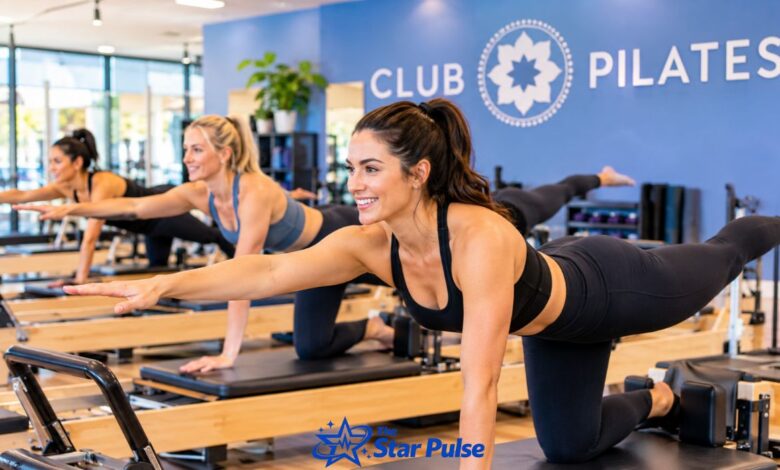
Starting a Pilates routine can be an exciting way to improve flexibility, develop strength, support better posture, and build a healthier lifestyle. However, one of the most common questions beginners ask is how often they should attend classes to achieve noticeable results. Club Pilates has become a popular choice for people who want structured workouts, professional instruction, and access to specialized Pilates equipment. Its classes are designed for different experience levels, making it possible for newcomers and experienced participants to develop their skills gradually. However, attending too frequently without allowing the body enough recovery time can make exercise difficult to maintain. The ideal weekly schedule depends on individual fitness goals, physical condition, experience, and available time. Understanding how frequently to attend, what happens during each session, and how to balance workouts with recovery can help beginners build a sustainable routine.
Understanding the Club Pilates Workout Experience
Club Pilates offers instructor-led group workouts based on traditional Pilates principles, combining controlled movements, breathing techniques, balance, and resistance training. Many classes use specialized equipment, including reformers, springboards, chairs, and other Pilates accessories. Unlike some conventional gym workouts, Pilates emphasizes controlled movement and proper technique rather than simply completing as many repetitions as possible. This approach helps participants develop body awareness while working on core stability, mobility, and muscular control. Beginners generally benefit from learning the basic movements before increasing workout frequency. Understanding how classes operate also makes it easier to select a schedule that supports long-term progress.
How Many Times a Week Should Beginners Attend?
For most beginners, two Club Pilates classes per week provide a practical starting point. This schedule gives the body enough exposure to learn Pilates movements while leaving recovery time between sessions. During the first few weeks, participants can concentrate on breathing, alignment, balance, and learning how to use the Reformer safely. Two weekly sessions also make it easier to recognize improvements without creating unnecessary pressure. If someone has never participated in Pilates before, starting with one class per week may also be reasonable, particularly when adjusting to a new exercise routine. The important thing is to establish consistency instead of immediately attempting daily workouts. As confidence and physical conditioning improve, participants can gradually consider additional sessions.
Is One Club Pilates Class Per Week Enough?
Attending one class per week can be beneficial, especially for people with busy schedules, limited exercise experience, or other physical activities. A weekly session introduces participants to controlled movements and encourages them to develop better body awareness. However, progress may take longer because the body has fewer opportunities to practice the techniques learned during class. Beginners who choose this schedule can support their development through gentle walking, stretching, and basic mobility exercises on other days. They should avoid attempting unfamiliar Reformer exercises without instruction. One class weekly is a reasonable beginning, but people seeking more consistent improvements in strength, flexibility, and movement control may eventually benefit from increasing their attendance to twice weekly.
Can You Attend Club Pilates Three Times a Week?
Three weekly classes can be an effective option for participants who have developed a comfortable foundation. This frequency provides additional opportunities to strengthen the core, improve coordination, and practice different Pilates movements. For example, someone might attend Reformer Flow on Monday, Center and Balance on Wednesday, and another strength-focused session on Saturday. This arrangement distributes exercise throughout the week instead of placing multiple demanding sessions together. However, increasing attendance should depend on recovery, energy levels, and individual fitness goals. Beginners should not feel obligated to reach three sessions immediately. A gradual increase allows the body to adapt while helping participants maintain correct technique and avoid excessive fatigue.
Creating a Weekly Club Pilates Schedule
A well-planned weekly schedule makes it easier to balance exercise, recovery, and everyday responsibilities. Beginners can start with two nonconsecutive training days, such as Tuesday and Friday, allowing a comfortable recovery period between classes. After several weeks, they may add another session if they feel ready. Choosing consistent days also helps turn exercise into a regular habit. Participants should consider work commitments, sleep schedules, transportation, and other workouts before booking classes. A realistic schedule is generally more sustainable than an ambitious plan that becomes difficult to follow. It is also helpful to check the studio timetable because class availability and formats can vary between locations.
Choosing the Right Club Pilates Class Level
Selecting an appropriate class level is just as important as deciding how frequently to attend. Club Pilates offers different levels designed to accommodate varying abilities and experience. Level 1 is intended for beginners and people returning to Pilates who need guidance with foundational movements. Level 1.5 introduces more complex exercises, while Level 2 offers additional challenges involving strength, coordination, and stability. Level 2.5 is intended for experienced participants with strong equipment knowledge and movement control. Beginners should avoid rushing into advanced sessions simply because they want faster results. Following instructor recommendations helps develop technique progressively and makes each workout more productive.
How Different Class Types Affect Weekly Frequency
Different class formats place different demands on the body, so combining them thoughtfully can improve workout variety. Reformer Flow focuses on full-body strength, length, and control, while Cardio Sculpt introduces more energetic movements using specialized equipment. Center and Balance emphasizes alignment, core stability, and mindful movement. Control focuses on precise exercises and stability, whereas Restore provides gentler, recovery-focused movement. Participants can choose formats according to their goals, experience, and physical condition. For example, someone attending three times weekly might combine two strength-oriented classes with one mobility-focused session. Mixing formats can also prevent repetitive training and make a regular Pilates routine more enjoyable.
How Long Does It Take to Notice Results?
The time required to notice improvements varies considerably between individuals. Some participants begin feeling more comfortable with movement and posture after several consistent sessions, while measurable strength and flexibility improvements may require a longer period. Results depend on attendance, exercise quality, recovery, nutrition, sleep, and starting fitness levels. Beginners should pay attention to smaller achievements, such as maintaining better balance, controlling movements, or completing exercises with improved coordination. These changes can indicate that the body is adapting to the workout. Comparing progress with other members is rarely useful because everyone starts with different abilities. Consistent participation and realistic expectations are more valuable than expecting dramatic physical changes after a few classes.
The Importance of Rest and Muscle Recovery
Recovery is an essential part of any exercise program, including Pilates. Although Reformer workouts are generally low-impact, they can challenge muscles through controlled resistance and repeated movements. Training without sufficient recovery may cause excessive soreness, tiredness, and reduced exercise performance. Beginners should pay attention to how their bodies respond after each session and avoid scheduling demanding classes on consecutive days if they are still experiencing significant fatigue. Gentle walking, comfortable stretching, hydration, and adequate sleep can support recovery. A recovery-focused class may also provide a lighter alternative when appropriate. However, persistent pain should not be ignored or treated as ordinary workout soreness. Rest days help make a weekly routine safer and more sustainable.
Can Club Pilates Help With Weight Loss?
Club Pilates can contribute to a weight-management routine by providing structured physical activity that supports muscular strength and overall fitness. Certain class formats, particularly Cardio Sculpt and Circuit, include more energetic movements that can increase exercise intensity. However, Pilates alone does not guarantee weight loss. Changes in body weight depend on several factors, including overall calorie intake, daily activity, sleep, and individual metabolism. People interested in weight management can combine Pilates with walking, cycling, or other suitable cardiovascular activities. Attending two or three classes weekly may support a balanced fitness routine, provided the schedule is appropriate for their abilities. A combination of consistent exercise and sustainable eating habits is generally more useful than relying on one workout method.
Common Mistakes Beginners Should Avoid
New participants sometimes make mistakes that affect their experience and slow their progress. One common mistake is attending too many classes before developing the necessary movement skills. Another is choosing advanced sessions without understanding the equipment or foundational exercises. Some beginners also focus too heavily on physical appearance instead of learning proper alignment and controlled breathing. Wearing uncomfortable clothing, arriving late, and ignoring instructor guidance can create additional difficulties. Club Pilates recommends arriving approximately 15 minutes before a first class so participants can become familiar with the equipment and ask questions. Grip socks are also required for classes. Following studio instructions and communicating physical limitations can make the experience more comfortable and productive.
How to Increase Your Weekly Classes Safely
Increasing workout frequency should be a gradual process rather than an immediate change. Beginners who comfortably complete two sessions weekly can consider adding another class after discussing their progress with an instructor. Before increasing attendance, they should check whether their technique remains controlled and whether they recover comfortably between workouts. It is also useful to monitor energy, muscle soreness, sleep quality, and general motivation. If three weekly sessions feel manageable, participants can maintain that schedule without automatically increasing it further. More classes do not always mean better results, particularly when recovery becomes insufficient. Anyone managing an injury, chronic condition, or physical limitation should seek appropriate professional guidance before changing their exercise routine.
Building Long-Term Fitness Habits With Club Pilates
The greatest advantage of a consistent Pilates routine is the opportunity to develop lasting fitness habits. Instead of treating exercise as a short-term challenge, participants can make it part of their regular lifestyle. Setting achievable weekly goals, booking classes in advance, and tracking personal improvements can encourage consistency. Beginners should also remain flexible because work, family responsibilities, travel, and unexpected commitments can affect attendance. Missing an occasional session does not mean that progress has disappeared. Returning to a comfortable schedule is more important than trying to compensate with excessive workouts. Over time, participants can explore different class formats, improve their equipment skills, and adjust their routines according to changing fitness goals. A balanced approach makes Club Pilates a more manageable part of everyday wellness.
Final Thoughts
How often you should go to Club Pilates depends on your experience, fitness goals, and ability to recover between workouts. For most beginners, two classes per week offer an excellent starting point, while one weekly session can help people develop familiarity with Pilates. More experienced participants may eventually enjoy three or more sessions when their bodies are ready. The most important factors are consistency, proper technique, suitable class selection, and adequate recovery. Rather than focusing on attending as many classes as possible, concentrate on building a routine that fits your lifestyle. With patience and regular participation, Club Pilates can become a valuable part of a balanced fitness journey.
FAQs
1. How often should beginners go to Club Pilates?
Most beginners can start with two classes per week. This frequency provides opportunities to learn fundamental movements, improve coordination, and develop strength while allowing sufficient recovery between sessions. People with limited exercise experience can begin with one class weekly.
2. Can I go to Club Pilates every day?
Daily attendance is not necessary for most beginners. Although experienced participants may manage frequent sessions with appropriate intensity and recovery, daily workouts can create excessive fatigue. A balanced weekly schedule with rest days is generally a better starting point.
3. Is Club Pilates worth it for beginners?
Club Pilates can be worthwhile for beginners who prefer instructor-led workouts and structured exercise programs. Its introductory sessions, different class levels, and specialized equipment provide opportunities to develop Pilates skills gradually.
4. How long does it take to see Club Pilates results?
Some people notice improvements in movement control, balance, and body awareness within their first several weeks. Strength and flexibility improvements generally develop gradually. Results vary depending on attendance, exercise technique, recovery, and individual fitness levels.
5. Should I combine Club Pilates with other workouts?
Yes, combining Pilates with suitable activities such as walking, cycling, or swimming can create a balanced exercise routine. These activities provide additional cardiovascular exercise while Pilates focuses on strength, mobility, coordination, and controlled movement.