
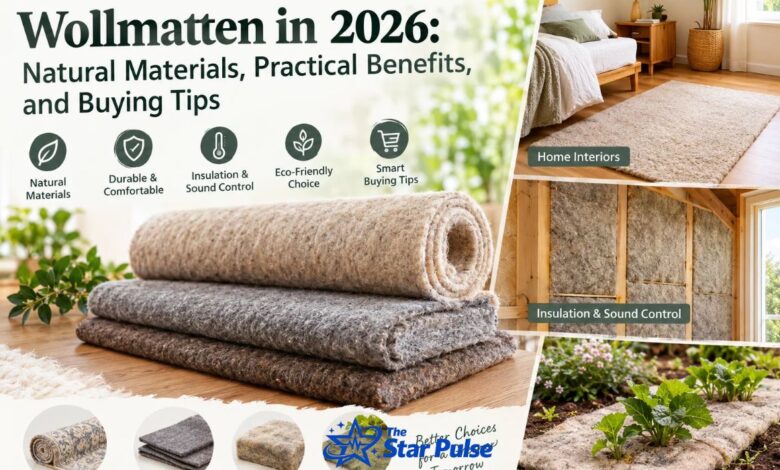
Wollmatten is the German word for wool mats, a category of products made from sheep’s wool or wool blends. These mats are used in home interiors, surface protection, gardening, and specialised insulation applications. Their appeal comes from wool’s natural texture, warmth, flexibility, and ability to absorb moisture vapour. However, different products have different properties, and not every wool mat is suitable for every environment. Understanding the materials, benefits, limitations, and maintenance requirements of Wollmatten helps buyers make informed decisions in 2026. This guide explores their main uses, environmental considerations, and practical buying tips.
What Are Wollmatten?
Wollmatten refers to mats made entirely or partly from wool. Some are decorative floor coverings, while others are dense felt sheets designed for insulation or protection. Their appearance, thickness, and performance depend on the wool quality, manufacturing process, and additional materials. Wool mats can provide cushioning, warmth, or surface protection, depending on their construction. The term does not guarantee a particular quality standard, so buyers should check the product description and intended application before purchasing.
Natural Materials Used in Wollmatten
Sheep’s wool is the primary material in most Wollmatten. Manufacturers may use virgin wool, recycled wool, or blends containing cotton and synthetic fibres. Some products also feature latex backing, adhesives, dyes, or protective treatments. These additions can improve stability and durability but may affect recyclability and biodegradability. Anyone seeking a natural product should check the percentage of wool and the composition of the backing. A wool-covered mat is not necessarily made entirely from wool.
How Wollmatten Are Manufactured
Manufacturing methods influence the texture and durability of wool mats. Woven mats are created by interlacing yarns, while felted mats are produced by combining fibres through moisture, pressure, and agitation. Needle-punched materials use mechanical processes to entangle fibres into a dense sheet. Tufted mats have fibres inserted into a backing to create a textured surface. Each method serves different purposes. Dense felt may suit protective applications, whereas woven wool mats may be more appropriate for decorative interiors.
Main Benefits of Wollmatten
Wollmatten offer several useful properties. Wool fibres can bend and recover, helping some products maintain their shape under normal use. The fibres also create air spaces that contribute to insulation, while their ability to absorb moisture vapour can help moderate changes in surrounding humidity. In homes, wool mats can make hard floors feel warmer and softer. Some constructions can also absorb sound energy. Actual performance depends on thickness, density, materials, and installation, so buyers should compare product specifications rather than assume every wool mat offers identical benefits.
Different Types of Wollmatten
There are several types of Wollmatten available. Decorative wool mats are designed for bedrooms, living rooms, and other indoor spaces. Felted wool mats are useful for furniture protection, crafts, and selected technical applications. Wool insulation mats are manufactured for suitable building assemblies, including walls and roofs. Garden wool mats can serve as ground coverings or mulch. These products are not interchangeable. For example, an ordinary decorative rug should never be treated as a replacement for properly specified building insulation.
Wollmatten for Home Interiors
Wollmatten can add comfort and texture to different rooms. A small wool mat beside a bed provides a softer surface underfoot, while a larger rug can complement furniture and improve the appearance of a living room. Wool is available in different colours, patterns, and textures, making it suitable for traditional and contemporary interiors. Buyers should measure their available floor space and choose a mat that does not obstruct doors or create a tripping hazard. On slippery floors, a compatible nonslip underlay can improve stability.
Wollmatten for Insulation and Sound Control
Purpose-built wool insulation mats can help reduce heat transfer because their fibres trap air. Their porous structure may also absorb some sound energy. These materials can be useful in suitable building applications when installed according to the manufacturer’s instructions. ISO 17749:2018 addresses requirements and testing methods for factory-made sheep-wool insulation mats and boards containing more than 50% natural sheep wool by mass. Buyers should check thermal performance, fire classification, moisture suitability, and installation requirements. A decorative wool mat does not provide the same function as certified insulation.
Wollmatten for Gardening
Some wool mats are designed for horticultural use. When applied as ground coverings, they can help suppress weeds, moderate soil temperatures, and manage moisture. Wool may gradually break down under suitable environmental conditions, adding organic material to the soil. Results depend on climate, thickness, soil conditions, and plant type. Gardeners should select products specifically designed for outdoor use and avoid mats containing unsuitable dyes, adhesives, or synthetic backings. Leave space around plant stems and monitor soil moisture to prevent problems caused by excessive dampness.
Wollmatten vs. Synthetic Mats
Wool and synthetic mats differ in comfort, cost, maintenance, and environmental impact. Wool provides natural texture and moisture-vapour absorption, while synthetic products may offer lower prices and easier cleaning. Some synthetic materials can release plastic fibres during use or washing. Wool is renewable, but its environmental footprint also depends on farming, processing, transportation, and manufacturing. Likewise, wool products containing synthetic backing may be difficult to recycle. Compare the complete material composition, durability, cleaning requirements, and expected lifespan before deciding which option offers better value.
Are Wollmatten Environmentally Friendly?
Wollmatten can be an environmentally conscious choice when made from responsibly sourced wool and designed for long-term use. Wool is a renewable animal fibre, and untreated wool can biodegrade under suitable conditions. However, sheep farming requires resources, and manufacturing involves energy and transportation. Dyes, adhesives, chemical treatments, and synthetic backing can affect the environmental performance of the finished product. Buyers should look for transparent material declarations, credible sourcing information, recycled content where appropriate, and realistic disposal guidance. Choosing a durable product and maintaining it properly can help reduce unnecessary waste.
How to Clean and Maintain Wollmatten
Regular gentle vacuuming helps remove dust and loose particles from indoor wool mats. When spills occur, blot them with a clean cloth instead of rubbing the fibres aggressively. Use wool-safe cleaning products only when permitted by the manufacturer’s instructions. Avoid bleach, harsh chemicals, excessive water, and high heat, which may damage fibres or backing materials. Dry damp mats thoroughly before storing them. Keep stored wool products clean and protected from insects. Large or valuable mats may benefit from professional cleaning, while garden and insulation products require care appropriate to their intended applications.
Buying Tips: How to Choose the Best Wollmatten
Start by identifying the intended use. Measure the area and compare the mat’s dimensions, thickness, density, and weight. For indoor use, consider comfort, backing, durability, and ease of cleaning. For gardening, check outdoor suitability and material treatments. For insulation, review declared thermal performance, fire classification, and applicable building requirements. Examine the wool percentage and any additional fibres or adhesives. Compare prices alongside expected lifespan, warranty terms, and maintenance needs. Transparent product information is particularly valuable when manufacturers advertise sustainability or technical performance. The cheapest mat may not provide the best long-term value if it wears out quickly or fails to meet your needs.
Common Limitations and Mistakes to Avoid
Wollmatten are not suitable for every situation. Wool is not waterproof, and prolonged dampness may cause odours or material deterioration. Some mats shed fibres, require careful cleaning, or attract insects when stored improperly. High-quality products may also cost more than synthetic alternatives. Avoid choosing a mat based solely on appearance or assuming that every product labelled wool is entirely natural. Do not use decorative mats as building insulation or place indoor products in unsuitable outdoor environments. Check the manufacturer’s specifications, care instructions, and limitations before purchasing.
Final Thoughts
Wollmatten combine natural materials with practical applications ranging from home decoration to specialised insulation and gardening. Their benefits include comfort, resilience, and useful thermal properties, but performance depends on construction and intended use. Cost, cleaning, moisture exposure, and additional materials are also important considerations.
In 2026, the best approach is to compare fibre composition, durability, maintenance requirements, and verified performance information before buying. Selecting the right type of Wollmatten can provide lasting value while helping you avoid unsuitable products and unnecessary replacements.
FAQs
1. What does Wollmatten mean?
Wollmatten is the German plural term for wool mats. It describes products made entirely or partly from wool, including floor coverings, felt pads, gardening mats, and specialised insulation materials.
2. Are Wollmatten made from 100% wool?
Not always. Some products contain pure wool, while others include synthetic fibres, cotton, adhesives, dyes, or backing materials. Check the manufacturer’s material declaration before purchasing.
3. Are Wollmatten suitable for insulation?
Purpose-built wool insulation mats can help reduce heat transfer and absorb some sound. Ordinary decorative wool rugs are not substitutes for building insulation. Always check technical specifications and installation requirements.
4. How do you clean Wollmatten?
Vacuum indoor wool mats gently and blot spills promptly. Avoid harsh chemicals, excessive moisture, and high heat. Follow the manufacturer’s care instructions to protect the fibres and backing.
5. Are Wollmatten worth buying in 2026?
They can be worthwhile if their comfort, durability, natural materials, or specialised performance meets your needs. Compare price, wool content, maintenance requirements, and expected lifespan before choosing a product.