

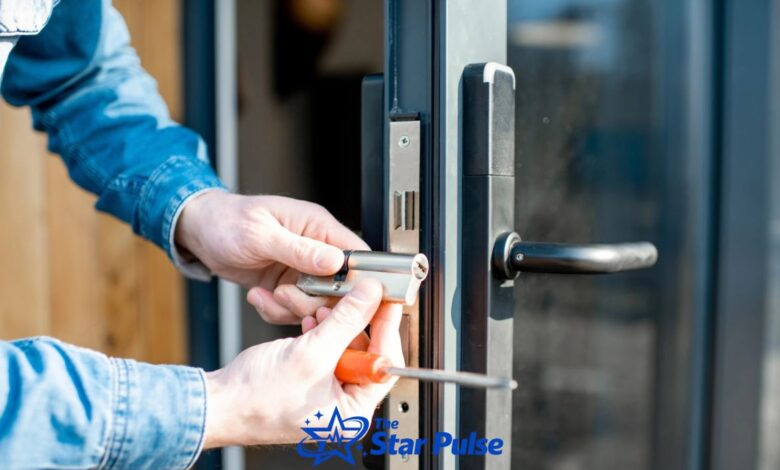
Lock Maintenance is an essential part of protecting your home, office, and valuable belongings. Door locks are used daily, yet many people overlook their care until a key becomes difficult to turn, a door refuses to lock, or the mechanism stops working completely. Regular maintenance helps prevent these problems, improves everyday convenience, and can extend the useful life of different locking systems. Whether you have traditional deadbolts, door knob locks, electronic locks, or smart locks, understanding proper lock care can help you avoid unnecessary repairs and security risks. This guide explains practical lock maintenance tips, cleaning methods, lubrication techniques, common problems, and professional locksmith services to help keep your locks secure and functional.
Why Lock Maintenance Matters
Lock Maintenance is important because even high-quality locks experience wear through repeated use, environmental exposure, and the accumulation of dust and debris. Over time, internal components may become stiff, keys can wear down, and door alignment problems can put additional pressure on the locking mechanism. Ignoring these issues may eventually result in a jammed lock or an unexpected lockout. Routine inspections help identify small problems before they become expensive repairs. Proper care also supports home security by ensuring that doors close correctly and locking mechanisms engage reliably. Although maintenance cannot make every lock last indefinitely, consistent attention can reduce avoidable damage and help homeowners recognize when replacement is more appropriate than repair.
Inspect Your Locks Regularly
A simple visual and functional inspection is one of the easiest ways to maintain door locks. Check the exterior and interior lock components for rust, loose screws, cracks, unusual movement, or visible damage. Insert the correct key and turn it gently to determine whether the mechanism operates smoothly. Test the latch and deadbolt with the door open before checking them with the door closed. If a lock works properly when the door is open but becomes difficult to operate when closed, the problem may involve door alignment rather than the lock itself. Inspect frequently used locks monthly and examine less frequently used locks periodically. Regular checks help reveal developing problems before they interfere with daily access.
Clean Door Locks Carefully
Dirt, dust, and oily residue can accumulate around keyholes, handles, and exposed lock components. To clean the exterior, use a soft, slightly damp cloth and a mild cleaning solution suitable for the lock’s finish. Dry the surface afterward to prevent moisture from remaining around metal components. Avoid spraying household cleaners directly into the keyway because liquids may enter the internal mechanism and cause problems. Do not use abrasive pads or harsh chemicals that could damage protective coatings. For electronic locks, follow the manufacturer’s cleaning instructions and keep moisture away from keypads, sensors, and battery compartments. Regular exterior cleaning improves appearance while helping you notice corrosion, damage, or loose fittings that might otherwise go unnoticed.
Use the Correct Lock Lubricant
Proper lubrication can help reduce friction between moving lock components, but choosing the right product is essential. Many manufacturers recommend a lock-specific dry lubricant, such as an appropriate PTFE-based formulation, or another product explicitly approved for the particular mechanism. Avoid assuming that every lubricant is suitable for every lock. Heavy oils and general-purpose penetrating sprays may leave residues that attract dust or interfere with certain components. Graphite powder is sometimes used in traditional locks, but it is not universally suitable, particularly when mixed with existing oils or other lubricants. Always consult the lock manufacturer’s instructions before applying anything inside the keyway. Use only the recommended quantity, and avoid flooding the mechanism with lubricant.
Maintain Keys and Keyholes
Keys are essential to mechanical lock performance, and damaged keys can cause unnecessary wear. Examine frequently used keys for bending, cracks, rounded edges, or visible damage. If a key becomes difficult to insert or turn, do not force it because excessive pressure can break it inside the lock. Compare it with a spare key to determine whether the original may be worn. A replacement should be accurately cut from a suitable original or produced through an authorized locksmith. Keep keyholes free from visible dirt, but never insert sharp objects that could damage internal pins or other components. If a key repeatedly sticks despite proper cleaning and approved lubrication, have the lock inspected by a professional locksmith.
Check Door Alignment and Hardware
Lock problems are not always caused by the lock itself. A door that has shifted because of loose hinges, seasonal expansion, settling, or damaged frames may place pressure on the latch or deadbolt. This can make the key difficult to turn and prevent the bolt from entering the strike plate correctly. Check whether the door hangs evenly and whether the latch lines up with its opening. Tighten accessible loose hinge and lock screws using the appropriate tools, taking care not to overtighten them. If the door requires excessive force to close, investigate the alignment issue rather than repeatedly lubricating the lock. Correcting the underlying cause helps protect the locking mechanism and supports reliable door security.
Protect Locks From Weather and Corrosion
Outdoor locks face additional challenges from rain, humidity, dust, temperature changes, and airborne pollutants. These conditions can encourage corrosion or affect the movement of internal parts. Choose exterior locks designed for the environmental conditions where they will be installed. Inspect exposed hardware regularly, particularly around coastal properties where salt in the air can accelerate corrosion. Wipe away moisture and dirt using suitable cleaning methods, and ensure that protective covers or weather shields are installed correctly when recommended. Never assume that a lock advertised as weather-resistant is completely waterproof. If you notice significant rust, pitting, or persistent stiffness, consult a locksmith to determine whether cleaning, repair, or replacement is the safest option.
Maintain Smart Locks and Electronic Systems
Smart locks require both mechanical and electronic care. Check battery levels according to the manufacturer’s guidance and replace batteries promptly when the system gives a low-power warning. Use the specified battery type and inspect the battery compartment for corrosion or moisture before installing replacements. Keep keypads, fingerprint readers, and touchscreens clean using approved methods. If your smart lock connects to a mobile application, install relevant firmware and security updates through the manufacturer’s official process. Review user permissions and remove access for people who no longer need it. Test the backup entry method, such as a physical key or manufacturer-approved emergency power option, where available. Do not disassemble electronic components unless the manufacturer specifically permits it.
Recognize Common Lock Problems Early
Several warning signs indicate that a lock needs attention. These include grinding sounds, a loose handle, a key that catches, a deadbolt that does not extend fully, or a latch that fails to retract consistently. A key that turns without operating the bolt may indicate an internal mechanical failure. Similarly, a lock that suddenly becomes difficult to operate may have a damaged component or an alignment problem. Avoid repeatedly forcing the key, striking the lock, or using unapproved chemicals in an attempt to solve the issue. Such actions may make the damage worse. If the problem persists after basic checks, arrange a professional inspection. Early intervention can sometimes prevent a minor repair from becoming a complete lock replacement.
Create a Practical Lock Maintenance Schedule
A regular maintenance schedule makes lock care easier to manage. Once a month, visually inspect frequently used locks, handles, hinges, and strike plates for obvious damage or looseness. Every few months, test the operation of important doors and clean accessible surfaces as needed. Lubricate mechanical locks only at the intervals and with the products recommended by their manufacturers, rather than applying lubricant automatically every month. Check smart-lock batteries according to their alerts and instructions, especially before extended travel. After severe weather, attempted break-ins, or building work, inspect affected locks for damage. Adjust the schedule according to usage, climate, and manufacturer recommendations. A written checklist can help homeowners and property managers keep maintenance consistent.
Understand DIY Maintenance and Professional Locksmith Services
Many basic tasks, including exterior cleaning, visual inspections, battery replacement, and tightening accessible screws, can be handled by homeowners. However, internal lock repairs, damaged deadbolts, persistent key problems, and significant corrosion may require professional expertise. A qualified locksmith can inspect the mechanism, identify worn components, assess security weaknesses, and recommend suitable repairs or replacements. Professional help is particularly important after a break-in, when a lock has suffered structural damage, or when a door cannot be secured reliably. For commercial properties, scheduled inspections may also help maintain consistent access control. Choose a reputable locksmith who explains the problem, provides clear pricing, and recommends work appropriate to the lock’s condition rather than unnecessary replacements.
Improve Home Security Through Preventive Lock Care
Lock Maintenance should be part of a broader home security routine. Check that exterior doors have suitable locks, secure strike plates, and correctly fitted frames. A strong lock cannot provide its intended protection if the door or surrounding frame is weak. Consider upgrading outdated or damaged hardware and changing access arrangements when keys are lost or unauthorized people may still have copies. Depending on the circumstances, rekeying may provide a practical alternative to replacing the entire lock. Smart-lock owners should use strong account passwords, enable available security protections, and review access logs or permissions when supported. Maintenance helps keep security equipment functional, while sensible access control and sound installation address additional risks.
Estimate Lock Maintenance Costs and Replacement Needs
The cost of lock maintenance depends on the lock type, the problem, local labor rates, and whether replacement parts are necessary. Basic cleaning and routine inspections generally cost little when performed safely at home. Professional servicing may involve a call-out fee, labor charges, and the price of replacement components. Electronic and smart locks can require specialized troubleshooting or manufacturer-approved parts. Before authorizing work, ask the locksmith to explain the problem and provide an estimate covering labor, parts, and any additional charges. Compare repair costs with the price of a suitable replacement, especially when a lock is badly corroded, outdated, or repeatedly failing. Prioritize reliable security and correct installation rather than choosing an option based on price alone.
Final Thoughts
Lock Maintenance is a simple but valuable way to protect property, improve convenience, and reduce avoidable lock failures. Regular inspections, careful cleaning, manufacturer-approved lubrication, key checks, and proper door alignment can help mechanical locks operate reliably. Smart locks also need battery monitoring, appropriate cleaning, software updates, and secure access management. Recognizing early warning signs is equally important because forcing a faulty mechanism can increase repair costs and compromise security. While many routine tasks are suitable for homeowners, persistent faults and damaged locking systems deserve professional attention. By following a consistent maintenance schedule and replacing unreliable hardware when necessary, you can keep your locks secure, functional, and ready for everyday use.
FAQs
1. How often should locks be maintained?
Inspect frequently used locks monthly for visible damage, loose fittings, and operating problems. Clean them when necessary and lubricate them according to the manufacturer’s instructions. Outdoor locks may need more frequent inspections because of weather exposure, humidity, and corrosion risks.
2. What is the best lubricant for door locks?
The best lubricant depends on the lock’s design and manufacturer recommendations. Many locks accept a suitable dry, lock-specific lubricant, but not every product works with every mechanism. Check the product instructions before use, and avoid applying heavy oils or mixing incompatible lubricants.
3. Why is my key difficult to turn?
A stiff key can result from a worn key, dirt, internal lock damage, poor door alignment, or pressure on the deadbolt. Test the lock with the door open to help identify alignment issues. If the problem continues, consult a locksmith instead of forcing the key.
4. Can I maintain a smart lock myself?
Yes. You can usually clean accessible surfaces, monitor battery warnings, replace batteries as directed, update firmware, and review access permissions. Follow the manufacturer’s instructions carefully and avoid exposing electronic components to moisture. Seek professional assistance if the lock develops mechanical or electrical faults.
5. When should I replace a door lock?
Consider replacement when a lock has severe corrosion, substantial internal damage, repeated failures, obsolete security features, or damage following a break-in. A locksmith can assess whether repair, rekeying, or replacement offers the most suitable solution for your security needs and budget.