

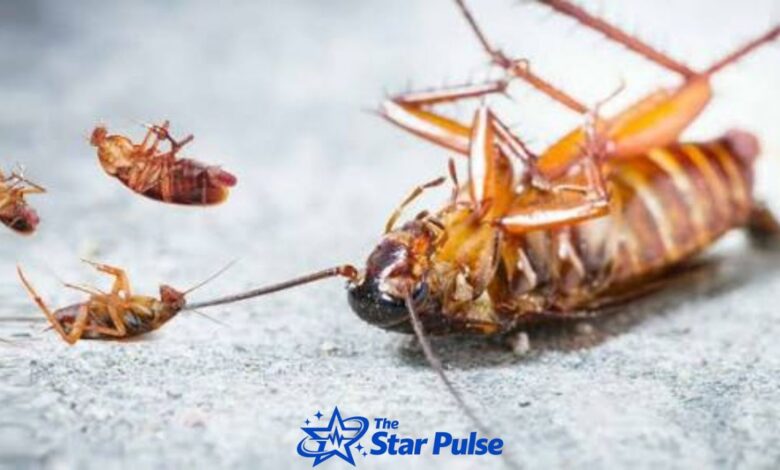
Cockroach Control is essential for maintaining a clean, comfortable, and hygienic home. Cockroaches are resilient pests that can survive in many environments, hide in tiny spaces, and reproduce quickly when food, water, and shelter are available. They commonly appear in kitchens, bathrooms, basements, drains, storage areas, and other places where moisture and clutter provide suitable living conditions. Although seeing one cockroach may not always indicate a severe infestation, repeated sightings, droppings, egg cases, or unpleasant odors can signal a growing problem. Effective control involves more than spraying chemicals or setting traps. It requires identifying the source, removing the conditions that attract pests, choosing suitable treatments, and preventing future activity. This guide explains practical cockroach control methods, home remedies, professional treatments, prevention strategies, and expert tips to help homeowners manage infestations safely and effectively.
Why Cockroaches Enter Homes
Cockroaches enter homes primarily in search of food, water, warmth, and shelter. Crumbs beneath appliances, uncovered rubbish bins, greasy kitchen surfaces, leaking pipes, and pet food left overnight can provide everything they need. They may enter through gaps around doors, windows, plumbing pipes, drains, and damaged wall openings. Some species arrive inside cardboard boxes, grocery bags, used furniture, or delivered appliances. German cockroaches, for example, frequently establish populations near kitchens and bathrooms because these areas provide convenient access to moisture and food. Larger species may enter from outdoor environments, sewers, or damp basements. Understanding how cockroaches enter and survive indoors is the first step toward effective cockroach control. Removing their basic resources and sealing entry points makes the environment less attractive and helps other treatments work more successfully.
Common Signs of a Cockroach Infestation
Recognizing an infestation early can prevent a small problem from becoming difficult to manage. Live cockroaches are an obvious warning sign, particularly when they appear during daylight hours, although daytime sightings alone do not prove a severe infestation. Other signs include small dark droppings resembling ground pepper or coffee particles, brown egg cases, shed skins, and dead insects around cupboards or appliances. A persistent musty odor may develop when a large population occupies an enclosed space. Inspect areas behind refrigerators, beneath sinks, inside cabinet hinges, around drains, and near rubbish storage. Sticky traps can help reveal where cockroaches travel and which rooms experience the greatest activity. Record the locations of sightings and monitor changes after treatment. These observations make it easier to select appropriate control methods and determine whether the infestation is declining.
Health Risks Associated With Cockroaches
Cockroaches can contaminate food, utensils, countertops, and food preparation surfaces as they move through dirty environments. They may carry microorganisms on their bodies, although the actual risk depends on the species and surrounding conditions. Their droppings, saliva, and shed body parts can also trigger allergies and worsen asthma symptoms in sensitive individuals. Children and people with respiratory conditions may be particularly affected by indoor allergens. Effective cockroach control therefore supports both cleanliness and healthier indoor living. Store food securely, clean contaminated surfaces, and avoid leaving exposed dishes overnight. If household members experience persistent respiratory symptoms, consider discussing possible indoor allergens with a healthcare professional.
Remove Food and Water Sources
Sanitation is one of the most important cockroach control methods because insecticides cannot compensate for a constant supply of food and moisture. Clean cooking surfaces daily, vacuum crumbs from corners, and remove grease from the areas behind ovens and refrigerators. Keep food in tightly sealed containers and empty rubbish bins regularly. Repair dripping taps, dry wet sinks, and address condensation around pipes. Avoid leaving pet food and standing water accessible overnight. Pay particular attention to narrow spaces beneath appliances, where food particles often accumulate unnoticed. These straightforward habits reduce the resources cockroaches need to survive and make bait-based treatments more attractive.
Seal Entry Points and Hiding Places
Cockroaches can squeeze through surprisingly narrow gaps, making exclusion an important part of long-term prevention. Inspect openings around plumbing, electrical conduits, cabinets, skirting boards, windows, and exterior doors. Seal suitable cracks with appropriate caulk, repair damaged screens, and install door sweeps where gaps allow insects inside. In kitchens and bathrooms, use materials suitable for damp environments. Reduce clutter, especially piles of cardboard, paper, and unused packaging, because these materials create sheltered hiding places. Check deliveries and secondhand furniture before bringing them indoors. Sealing openings will not eliminate an established infestation by itself, but it can reduce new arrivals and limit movement between rooms.
Use Cockroach Baits Effectively
Cockroach baits can provide effective control when placed close to areas where cockroaches hide and travel. Bait stations and gel baits contain an attractive food source combined with an insecticide. Place products according to their labels near cabinet corners, behind appliances, and around other identified activity areas. Avoid placing bait directly on food-contact surfaces or where children and pets can reach it. Do not spray cleaning chemicals or repellent insecticides directly onto bait placements, because these substances may make the bait less attractive. Results are not always immediate, so monitor activity and replace bait as directed. Combining baiting with sanitation and monitoring often provides better results than relying on a single treatment.
Cockroach Traps and Monitoring Methods
Sticky traps are useful for monitoring cockroach activity and identifying problem areas. Position them along walls, beneath sinks, behind refrigerators, and near suspected hiding places, keeping them away from children and pets. Traps can capture individual insects, but they rarely eliminate a substantial infestation on their own. Check them regularly and record where cockroaches are caught. If activity remains concentrated around one cupboard or appliance, inspect that location for food debris, moisture, and hiding spaces. Monitoring also helps evaluate whether baiting or other treatments are working. Fewer captures over time can indicate improvement, although continued inspections are necessary to confirm that the problem has been controlled.
Natural Cockroach Control Methods
Some homeowners prefer natural cockroach control methods, such as thorough cleaning, moisture reduction, vacuuming visible insects, and sealing gaps. These measures can help reduce activity without relying entirely on insecticides. However, essential oils, vinegar, and many popular household remedies have limited evidence of providing reliable, lasting control. Baking soda mixtures and similar homemade treatments should not replace proven methods when an infestation is established. Diatomaceous earth may affect insects when used appropriately, but dust can irritate the lungs and must be handled according to its label. Avoid scattering powders around food preparation areas. For a persistent infestation, combine practical prevention with registered pest control products or professional assistance.
Professional Cockroach Control Treatments
Professional pest control services are worth considering when cockroaches repeatedly return, spread across multiple rooms, or persist despite careful DIY treatment. A qualified technician can identify likely species, inspect hiding places, assess the severity of the infestation, and develop a targeted treatment plan. Depending on the circumstances, this may involve gel baits, monitoring traps, crack-and-crevice treatments, or other registered products. Professionals can also identify conditions that encourage reinfestation and recommend corrective measures. Before hiring a service, ask about its treatment methods, preparation requirements, child and pet precautions, follow-up visits, and guarantees. Choose a properly licensed or authorized provider where applicable, and follow all instructions before re-entering treated areas.
Cockroach Control Costs: DIY Versus Professional Services
The cost of cockroach control depends on the infestation’s size, the treatment method, the property layout, and the number of visits required. DIY options such as sticky traps, sealants, and suitable bait products generally require a smaller initial investment. Professional services cost more upfront but may offer inspections, targeted applications, and follow-up monitoring. A recurring infestation can become more expensive when ineffective treatments are repeatedly purchased. Request a clear quotation that explains what is included and whether additional visits cost extra. Compare the proposed approach rather than price alone. No treatment can guarantee permanent results if food, water, entry points, and neighboring sources of infestation remain unaddressed.
Prevent Cockroaches in Kitchens and Bathrooms
Kitchens and bathrooms deserve special attention because they often combine moisture, warmth, food residues, and sheltered spaces. Clean drains and accessible surfaces regularly, repair leaks, and remove standing water where practical. Keep rubbish containers covered and clean the areas beneath sinks. Inspect refrigerator drip pans and spaces around dishwashers when safe and accessible. In bathrooms, improve ventilation to reduce persistent dampness and seal gaps around pipes. Store dry food away from floor level and keep cupboards organized so that droppings or egg cases are easier to spot. These targeted habits strengthen cockroach prevention and reduce the likelihood of another infestation after treatment.
Common Cockroach Control Mistakes to Avoid
Several common mistakes can undermine cockroach control. Spraying visible insects without treating their hiding places may provide only temporary relief. Using excessive insecticide, mixing chemicals, or applying products outside their labeled instructions can create unnecessary health risks. Foggers may fail to reach deep cracks and concealed nesting areas, while poorly positioned baits may attract little attention. Another mistake is stopping inspections immediately after sightings decline. Egg cases and hidden individuals can allow activity to resume. Never mix cleaning products or pesticides unless their labels explicitly permit the combination. Instead, identify the source, use suitable products carefully, maintain sanitation, and monitor results before deciding whether further treatment is needed.
Expert Tips for Long-Term Cockroach Prevention
A reliable long-term strategy combines prevention, monitoring, and targeted treatment. Inspect high-risk areas weekly, especially beneath sinks, behind kitchen appliances, and around plumbing openings. Use sticky traps to detect changes in activity and keep notes about where insects appear. When using baits, follow label directions and avoid contaminating placement areas with competing food residues or cleaning chemicals. In apartments and shared buildings, coordinate with property managers because cockroaches can move between neighboring units through service openings. If activity continues, reassess the species, treatment placement, and possible external sources rather than simply increasing pesticide use. Consistency is more effective than occasional intensive cleaning or repeated indiscriminate spraying.
Final Thoughts
Effective Cockroach Control requires a consistent approach that addresses both existing insects and the conditions that allow them to survive. Keep food sealed, eliminate excess moisture, seal entry points, and use suitable baits and monitoring traps according to their labels. Natural methods can support prevention, but established infestations may require professional treatment. Regular inspections are especially important in kitchens, bathrooms, and shared buildings. By combining sanitation, targeted treatment, and long-term prevention, homeowners can reduce cockroach activity and maintain a cleaner, more comfortable living environment.
FAQs
1. What is the most effective cockroach control method?
The most effective approach combines gel baits or bait stations, thorough sanitation, moisture reduction, and sealing entry points. The right treatment depends on the cockroach species and infestation level. Persistent infestations may require professional inspection and follow-up treatment.
2. How can I get rid of cockroaches naturally?
Start by removing food debris, storing food in sealed containers, repairing leaks, vacuuming visible insects, and sealing cracks. These measures reduce the conditions cockroaches need to survive. Natural remedies alone may not eliminate an established infestation, so consider proven bait products when necessary.
3. Why do cockroaches keep coming back?
Cockroaches may return because hidden populations remain, egg cases hatch, or new insects enter through plumbing openings, wall gaps, deliveries, or neighboring properties. Incomplete treatment and continuing access to food and water also contribute. Identifying the source and maintaining preventive measures helps reduce recurrence.
4. Are cockroach baits safe around children and pets?
Cockroach baits can be used more safely when applied exactly as directed, but they may still pose risks if swallowed or mishandled. Place them in inaccessible locations or use secured bait stations. Never leave exposed pesticide gel where children or pets can reach it, and follow all label precautions.
5. When should I hire a professional cockroach control service?
Consider professional help when cockroaches remain active despite consistent cleaning and appropriate treatment, appear in several rooms, or repeatedly return. A qualified technician can identify the species, locate hiding areas, and recommend targeted solutions. Professional assistance is also useful when infestations affect shared residential buildings.