

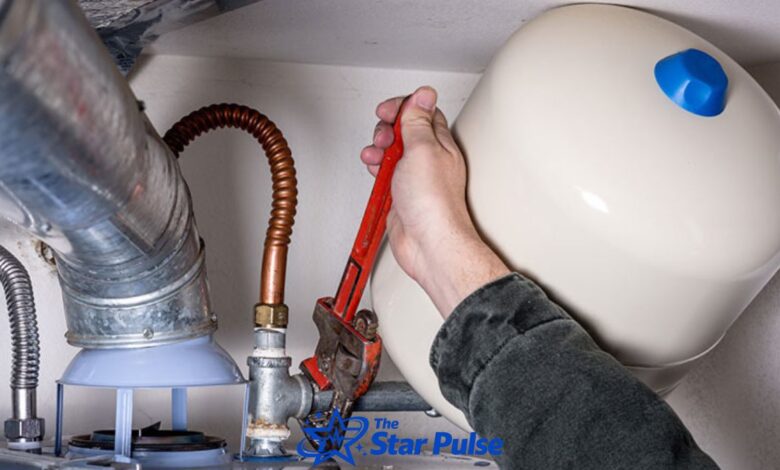
A reliable water heater is essential for comfortable daily living, whether you need hot water for bathing, washing dishes, or cleaning. When the system stops working properly, it can disrupt your routine and increase energy costs. Understanding water heater repair helps homeowners identify common problems, recognize safety risks, and decide when professional assistance is necessary. Issues such as insufficient hot water, unusual noises, leaks, temperature fluctuations, and faulty heating elements can affect both traditional tank water heaters and modern tankless systems. Some problems result from simple maintenance needs, while others require replacement parts or specialized repairs. This guide explains common water heater problems and solutions, repair costs, maintenance practices, and the difference between repairing and replacing a unit.
Understanding How a Water Heater Works
Before diagnosing a problem, it helps to understand how your water heater operates. A conventional storage-tank system heats water inside an insulated tank and keeps it ready for use. Gas models typically use a burner, while electric models rely on heating elements. A thermostat regulates the temperature, and safety devices help prevent overheating. Tankless water heaters work differently by heating water as it flows through the unit. Each design has different repair requirements, so identifying your system’s type is an important first step. Check the manufacturer’s label or owner’s manual before purchasing replacement parts. Correct diagnosis can prevent unnecessary expenses and help you explain the problem clearly to a qualified technician.
Common Signs You Need Water Heater Repair
Several warning signs indicate that a water heater may need attention. Water that remains cold, runs out quickly, or changes temperature unexpectedly can point to thermostat problems, sediment buildup, a damaged heating element, or an undersized unit. Rust-colored water may indicate corrosion in the tank or plumbing, although rusty pipes can also cause discoloration. Popping, rumbling, or banging sounds may develop when mineral deposits accumulate and interfere with heating. Water around the unit can indicate a leaking connection, faulty valve, or damaged tank. Pay attention to changes in performance rather than waiting for a complete breakdown. Early professional inspection can sometimes prevent more expensive damage.
Why Your Water Heater Is Not Producing Hot Water
A lack of hot water is one of the most common reasons homeowners request water heater repair. In electric models, a tripped circuit breaker, failed heating element, or faulty thermostat may interrupt heating. Gas systems may experience ignition problems, a malfunctioning gas control, or a burner issue. Tankless units can stop heating because of flow restrictions, error codes, or ignition failures. Start with safe external checks, such as confirming that the unit has power and reviewing its display or manual for error messages. Never remove electrical covers or dismantle gas components yourself. If the problem continues, arrange an inspection so a technician can test the relevant components and identify the underlying cause.
Water Heater Leaking: Causes and Solutions
A leaking water heater should never be ignored because even a small leak can damage flooring, walls, and nearby belongings. Common causes include loose plumbing connections, a leaking temperature and pressure relief valve, a faulty drain valve, or corrosion inside the storage tank. First, identify whether water is coming from a pipe connection, valve, or the tank itself without touching hot or damaged components. If the tank has developed a structural leak, replacement is usually necessary because sealing the outside does not restore the tank’s integrity. For significant leaks, shut off the water supply if it is safe to do so and contact a professional. If water is near electrical equipment, avoid the area and seek qualified assistance.
Water Heater Making Strange Noises
Rumbling, popping, hissing, and banging sounds can indicate different problems. In traditional tank systems, sediment and mineral deposits may collect at the bottom, especially where the water supply contains substantial dissolved minerals. As water heats beneath these deposits, escaping steam bubbles can create popping or rumbling sounds. Hissing may come from water contacting a hot surface or from a leak, while banging can originate in the plumbing rather than the heater itself. A technician can inspect the system, assess sediment buildup, and determine whether flushing or another repair is appropriate. Regular maintenance can reduce mineral accumulation, but heavily scaled or older units may require more extensive servicing.
Gas vs. Electric Water Heater Repair
Gas and electric water heaters share some symptoms but have different components and safety requirements. Gas models may develop problems involving the pilot light, ignition system, burner, gas control valve, or venting. Electric models can experience failed heating elements, thermostat faults, or electrical supply issues. Tankless systems introduce additional considerations, including water flow sensors, heat exchangers, and scale buildup. Electric heating elements and thermostats should be tested only by someone qualified to work safely with electricity. Likewise, gas connections, combustion components, and ventilation systems require professional attention. Knowing the fuel type helps a technician narrow down possible causes and provide a more accurate repair estimate.
Water Heater Repair Cost: What to Expect
Water heater repair costs depend on the fault, replacement parts, labor rates, accessibility, and local service charges. A minor adjustment may cost considerably less than replacing a heating element, gas control valve, or electronic component. Emergency appointments and difficult installations may also increase the final bill. Before approving work, request an itemized estimate that separates diagnostic fees, labor, parts, and any additional charges. Ask whether the repair includes testing the system afterward and whether replacement parts carry a warranty. Because prices vary by location and model, avoid relying on a single online estimate as a guaranteed price. Comparing written estimates from qualified professionals can help you make an informed decision.
Water Heater Repair vs. Replacement
Deciding between repair and replacement depends on the unit’s age, condition, efficiency, and repair history. A relatively new water heater with one faulty component may be worth repairing. However, repeated breakdowns, persistent tank leaks, severe corrosion, and increasingly expensive repairs can make replacement a better long-term investment. Compare the expected repair cost with the price of a suitable replacement, including installation and any necessary plumbing or venting changes. Also consider energy consumption, household hot-water demand, and available warranties. A professional can assess whether the existing system remains safe and dependable. Remember that a leaking storage tank generally cannot be repaired reliably, whereas many external components can be replaced.
Tankless Water Heater Repair and Maintenance
Tankless water heaters offer hot water on demand, but they still require regular maintenance. Mineral scale can accumulate inside the heat exchanger, reducing efficiency and restricting water flow. Other possible problems include clogged inlet filters, ignition failures, faulty sensors, and error codes caused by inadequate gas supply or ventilation. Follow the manufacturer’s recommended maintenance schedule and use a qualified technician for descaling when required. Hard-water areas may need more frequent attention, depending on water quality and usage. If a tankless heater repeatedly shuts down, record the displayed error code before contacting a professional. That information can help identify the issue without unnecessary parts replacement.
Water Heater Temperature and Pressure Problems
Water that is excessively hot, unusually lukewarm, or inconsistent may indicate a thermostat issue, heating fault, mixing-valve problem, or change in water demand. Many households use a setting around 120°F (49°C) as a balance between comfort and scald prevention, although individual needs and local recommendations can differ. Higher storage temperatures may be appropriate in certain systems to manage bacterial risks, but safe delivery temperatures must be considered. Never assume that changing the thermostat will solve every temperature problem. The temperature and pressure relief valve is a critical safety device and must never be blocked, capped, or disabled. Have a professional investigate recurring pressure problems or a valve that repeatedly releases water.
Water Heater Maintenance Tips to Prevent Repairs
Preventive maintenance can extend equipment life and reduce unexpected breakdowns. Inspect the area around the heater periodically for moisture, corrosion, damaged pipes, and changes in performance. Keep the surrounding space clear and follow the manufacturer’s instructions for ventilation and access. Ask a qualified technician whether the tank needs flushing, whether the anode rod should be inspected, and whether safety controls are functioning correctly. The anode rod helps protect many storage tanks against corrosion, but it gradually wears out and may need replacement. Maintenance requirements vary with tank design, water quality, and manufacturer guidance. Keep records of inspections and repairs so you can recognize recurring problems and plan future expenses.
When to Call a Professional Water Heater Repair Service
Some water heater problems require immediate professional attention. If you smell gas, avoid operating electrical switches or creating flames, leave the area, and contact your gas emergency service from a safe location. If a carbon monoxide alarm sounds, move outside and call emergency services. For major leaks, electrical hazards, repeated safety-valve discharge, or visible tank corrosion, arrange qualified assistance promptly. Homeowners can safely observe symptoms and check accessible controls according to the manual, but should not dismantle gas systems, work on energized wiring, or bypass safety devices. Choose a properly qualified and insured technician where applicable, and ask about experience with your particular make and model before authorizing repairs.
Choosing the Right Water Heater Repair Solution
The best repair solution starts with accurate diagnosis rather than replacing parts based on guesswork. Explain when the problem began, whether it happens continuously or intermittently, and whether you have noticed leaks, strange noises, or unusual water temperatures. Share the model number and any displayed error codes with the technician. Request a clear explanation of the fault, the proposed repair, and the likely remaining service life of the unit. If the heater is old or inefficient, ask whether replacement would offer better long-term value. A reliable professional should explain the options, identify relevant safety concerns, and provide a written estimate before beginning significant work.
Final Thoughts
Water heater repair becomes easier to manage when you recognize early warning signs and understand the possible causes. Problems such as insufficient hot water, mineral buildup, leaking connections, and faulty heating components often have practical solutions, but a corroded or leaking tank may need replacement. Regular inspections, appropriate maintenance, and professional diagnosis can reduce avoidable expenses and help maintain a dependable hot-water supply. Always prioritize safety around gas, electricity, hot water, and pressure-relief equipment. By comparing repair costs, considering energy efficiency, and selecting a qualified technician, you can make a more informed decision about keeping your water heater operating safely and efficiently.
FAQs
1. How do I know if my water heater needs repair?
Common warning signs include cold water, inconsistent temperatures, unusual noises, visible leaks, rusty water, and rising energy bills. If these symptoms persist, arrange a professional inspection.
2. How much does water heater repair cost?
The cost depends on the problem, parts, labor, and service fees. Request a written estimate before approving repairs, particularly for major components or emergency appointments.
3. Can I repair a water heater myself?
You can perform basic visual checks and consult the owner’s manual, but gas components, internal electrical parts, and safety devices should be handled by qualified professionals.
4. Should I repair or replace my water heater?
Repair is often sensible for a newer unit with a minor fault. Replacement may be preferable when the tank leaks, corrosion is severe, or breakdowns become frequent.
5. How can I prevent water heater problems?
Follow the manufacturer’s maintenance schedule, inspect for leaks, address unusual noises promptly, and arrange professional checks of the anode rod, heating components, and safety controls when appropriate.