

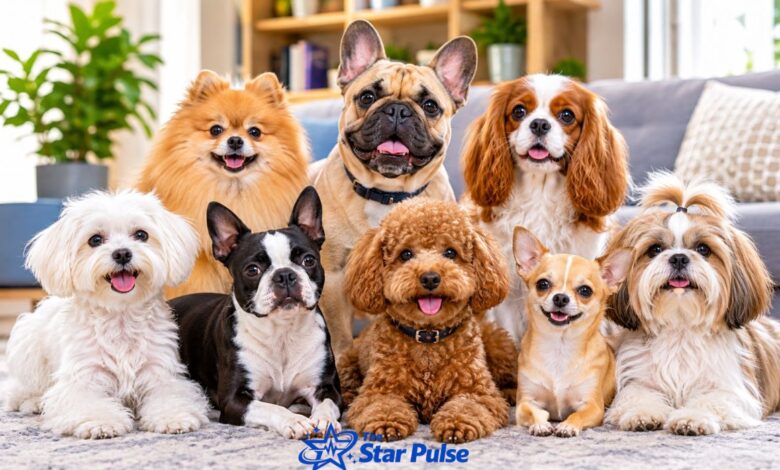
Choosing a dog for a small home does not mean sacrificing companionship, affection, or personality. Many dogs adapt comfortably to apartments, compact houses, and homes without large gardens. The secret is finding a breed whose energy level, temperament, exercise requirements, and daily habits match your living environment. Some small dogs are naturally relaxed, while certain medium-sized breeds can also thrive in limited spaces when they receive enough exercise and attention. The best dog breeds for small homes are not necessarily the smallest ones; they are dogs that can remain happy, healthy, and mentally stimulated without needing a large outdoor area. Whether you are a first-time owner, live in an apartment, or want a friendly family companion, understanding different breeds can help you make a responsible choice.
French Bulldog: A Friendly Companion for Apartment Living
The French Bulldog is one of the popular choices for people searching for the best dog breeds for small homes. Its compact body, affectionate personality, and generally moderate exercise requirements make it suitable for many apartment lifestyles. French Bulldogs enjoy spending time with their owners and are often happy relaxing indoors after short walks and play sessions. They do not require a large garden to remain entertained, although regular activity is important for maintaining a healthy weight. Their short coat also requires relatively simple grooming. However, prospective owners should understand that French Bulldogs can experience breathing difficulties because of their flat faces. They are also sensitive to heat and should not be pushed into strenuous exercise. With responsible care, comfortable temperatures, and routine veterinary checkups, they can make loving indoor companions.
Cavalier King Charles Spaniel: Gentle and Affectionate
The Cavalier King Charles Spaniel is an excellent option for households looking for a gentle, affectionate, and adaptable dog. These dogs are known for their friendly nature and strong attachment to their families. Their manageable size makes them comfortable in smaller houses and apartments, provided they receive daily walks and opportunities to play. Cavaliers generally enjoy meeting people and can become wonderful family companions when properly socialized. Their silky coats require regular brushing to prevent tangles, especially around the ears and chest. One important consideration is their health: the breed has inherited risks, including heart conditions and certain neurological disorders. Anyone considering a Cavalier should choose a responsible breeder who performs appropriate health screening or consult a reputable rescue organization.
Pug: A Playful Dog With a Relaxed Personality
Pugs are small, entertaining dogs that often enjoy comfortable indoor environments. Their affectionate personalities and playful behavior make them attractive to individuals, couples, and families. Unlike highly athletic breeds, Pugs generally do not need extensive daily exercise, although short walks and gentle play are essential. They enjoy being around people and may become unhappy if left alone for long periods. Their facial wrinkles need regular cleaning, and their short coats still shed considerably. Pugs also have flat faces, which can cause breathing problems and make overheating a serious concern. Owners should avoid strenuous exercise during warm weather and maintain a healthy feeding routine. For people seeking friendly dogs for apartment living, Pugs can be appealing companions when their special health requirements are understood.
Chihuahua: A Small Dog With a Big Personality
Chihuahuas are among the smallest dog breeds in the world, making them practical companions for homes where space is limited. Despite their tiny appearance, they often have confident personalities and form strong bonds with their owners. They can receive much of their exercise through indoor play combined with short outdoor walks. Chihuahuas come in smooth-coat and long-coat varieties, offering different grooming requirements. Early socialization and positive training are important because some individuals can become nervous or overly protective. Their small bodies also make them vulnerable to accidental injuries, particularly around young children. Families should teach children how to handle them gently. For first-time owners prepared to provide training, attention, and proper care, Chihuahuas can be rewarding small-home companions.
Shih Tzu: A Calm and Loving Indoor Dog
The Shih Tzu is a companion breed that has historically been associated with indoor living. Its friendly temperament, relatively small size, and enjoyment of human company make it suitable for apartments and compact houses. Shih Tzus generally appreciate short walks, indoor games, and relaxing near their families. They are not usually demanding athletes, but regular activity is still necessary to prevent weight gain. Their long, flowing coats require consistent brushing and professional grooming if owners prefer a shorter hairstyle. Like other flat-faced breeds, Shih Tzus can experience breathing and heat-related problems. A cool living environment and appropriate veterinary care are therefore important. People who want an affectionate dog and do not mind regular coat maintenance may find this breed a particularly good match.
Bichon Frise: A Cheerful and Adaptable Choice
The Bichon Frise is a cheerful, compact dog recognized for its fluffy white coat and friendly personality. It often adapts well to smaller living environments because it does not need a large yard to enjoy everyday activities. Bichons appreciate interactive games, short walks, and spending time with their owners. Their playful nature can also make them suitable for families that understand how to interact respectfully with small dogs. One advantage is that they generally shed less visibly than many other breeds, although no dog is completely hypoallergenic. Their curly coats need frequent brushing and professional grooming to prevent matting. Consistent training and mental stimulation help keep them confident and well-behaved. The Bichon Frise is worth considering for people seeking a sociable, low-shedding companion.
Boston Terrier: A Compact and Intelligent Friend
Boston Terriers are intelligent, sociable dogs with compact bodies and distinctive facial markings. They can adapt to apartment living when their daily exercise and companionship needs are satisfied. Their short coats are relatively easy to maintain, and their playful personalities make indoor activities enjoyable. Boston Terriers often respond well to positive reinforcement training and benefit from early socialization. Although they are energetic, their exercise can usually be divided into manageable walks and play sessions. Like French Bulldogs and Pugs, they have shortened faces, which can increase their risk of breathing difficulties and heat intolerance. Owners should monitor their comfort during exercise and avoid excessive activity in hot weather. Their affectionate and entertaining personalities make them attractive companions for smaller households.
Miniature Poodle: Smart, Trainable, and Versatile
The Miniature Poodle is a strong choice for owners who want an intelligent dog that can adapt to different home environments. Its manageable size makes it suitable for apartments, while its intelligence makes training and interactive activities especially rewarding. Miniature Poodles enjoy learning commands, playing games, and participating in daily walks. They are also known for their curly coats, which typically shed relatively little but require regular brushing and professional grooming. Their mental stimulation needs should not be overlooked because boredom can lead to unwanted behaviors. Puzzle toys, training exercises, and supervised indoor games can help keep them occupied. For families and first-time owners willing to provide exercise, grooming, and consistent training, Miniature Poodles can be excellent small-home companions.
Maltese: A Small Dog for Compact Living
The Maltese is a tiny companion dog that can comfortably live in apartments and small houses. It enjoys human company, indoor play, and short daily walks. Its coat needs regular brushing, but its low-shedding characteristics appeal to many owners. Early training is useful because some Maltese dogs can develop excessive barking when they are bored or anxious.
Havanese: Social and Family-Friendly
Pomeranian: An Energetic Dog in a Tiny Body
Pomeranians are popular small dogs with confident personalities and beautiful fluffy coats. Their compact size makes them suitable for apartments, but they can be vocal and energetic. Regular brushing, short walks, and positive training are important parts of their care. They are especially suitable for owners who want an active, entertaining companion and can manage their barking tendencies.
Yorkshire Terrier: Small, Intelligent, and Loyal
The Yorkshire Terrier is another excellent option for people searching for the best dog breeds for small homes. These intelligent dogs form strong relationships with their owners and can receive much of their exercise through indoor activities and outdoor walks. Their long coats need regular grooming, while early socialization helps prevent excessive barking and nervous behavior.
Greyhound: A Surprisingly Good Choice for Small Homes
Although Greyhounds are larger than most dogs on this list, many adult Greyhounds are surprisingly relaxed indoors. They often enjoy sleeping and resting after appropriate daily exercise. Their calm household behavior demonstrates why size alone should not determine whether a dog is suitable for apartment living. However, they need secure outdoor exercise, comfortable resting areas, and careful introductions to smaller pets because of their prey drive.
How to Choose the Right Dog for a Small Home
Selecting a dog requires more consideration than comparing breed sizes. Evaluate its energy level, barking habits, grooming needs, temperament, and ability to spend time alone. For example, a Miniature Poodle may suit an active owner who enjoys training, while a Shih Tzu may appeal to someone who prefers a more relaxed companion. Families with children should prioritize gentle temperaments and teach children appropriate handling. Also consider adoption: an adult rescue dog may already have an established personality, making it easier to identify whether it suits your household. The American Kennel Club also emphasizes that apartment suitability depends on individual breed characteristics rather than size alone.
Essential Tips for Keeping a Dog Happy in a Small Space
A small home can become a comfortable environment for dogs when owners establish a consistent routine. Provide a dedicated sleeping area, fresh drinking water, appropriate toys, and enough room to move safely. Daily walks remain necessary even for low-energy breeds. Puzzle feeders and short training sessions offer mental stimulation without requiring additional floor space. Establish a regular toilet schedule, especially for puppies, and gradually teach your dog to remain comfortable when alone. Keep electrical cables, cleaning products, and dangerous household objects out of reach. Finally, arrange routine veterinary appointments and maintain a balanced diet. These simple practices can help prevent boredom, unhealthy weight gain, and unwanted indoor behavior.
Final Thoughts
Finding the best dog breeds for small homes is about choosing a companion that matches your lifestyle rather than simply selecting the smallest available dog. French Bulldogs, Shih Tzus, Chihuahuas, Bichon Frises, and Miniature Poodles are among the options worth considering. Larger breeds such as Greyhounds can also adapt surprisingly well to compact living environments. Before bringing a dog home, research its health requirements, exercise needs, grooming routine, and temperament. With responsible ownership, daily attention, and a comfortable environment, even a small apartment can become a wonderful home for a happy and healthy dog.
FAQs
1. What are the best dog breeds for small homes?
French Bulldogs, Shih Tzus, Chihuahuas, Maltese, Bichon Frises, and Cavalier King Charles Spaniels are popular choices. They generally have manageable sizes and can adapt to indoor environments with proper exercise, training, and attention.
2. Which dog is easiest to maintain in an apartment?
A Chihuahua can be relatively easy to maintain because of its small size and modest grooming requirements. However, it still needs socialization, exercise, dental care, and regular veterinary checkups.
3. What are the best family dogs for small homes?
Cavalier King Charles Spaniels, Bichon Frises, and Havanese dogs can make wonderful family companions. Their friendly personalities are appealing, but children should always be taught to handle dogs gently.
4. Are large dogs suitable for small apartments?
Yes. Some large breeds, particularly adult Greyhounds, can adapt well to apartment living. Their indoor energy levels and exercise requirements matter more than their physical size alone.
5. Which small dog breeds shed the least?
Bichon Frises, Maltese, Miniature Poodles, and Yorkshire Terriers are generally considered low-shedding breeds. However, their coats often require regular brushing and professional grooming. No dog breed is completely allergy-free.