

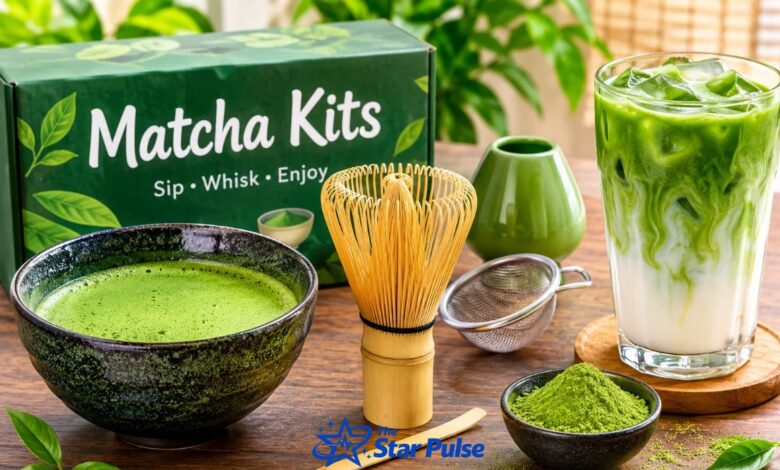
Matcha has become a popular choice among tea lovers who enjoy its distinctive taste, vibrant green color, and traditional Japanese preparation style. Instead of visiting a café every time, many people now prefer preparing their favorite matcha drinks at home. This growing interest has made Matcha Kits an appealing option for beginners and experienced tea enthusiasts. These kits usually include essential accessories such as a bamboo whisk, ceramic bowl, measuring scoop, and sometimes a powder sifter or whisk holder. However, choosing the right set involves more than selecting an attractive package. The quality of its materials, usefulness of its accessories, ease of cleaning, and compatibility with different drinks all matter. Understanding these details can help you invest in a practical set that makes homemade matcha easier, more enjoyable, and closer to the traditional preparation experience.
What Are Matcha Kits?
Matcha Kits are collections of accessories designed to help people prepare Japanese powdered green tea at home. Rather than purchasing every utensil separately, buyers receive several tools in one package. Traditional sets generally contain a chasen (bamboo whisk), chawan (tea bowl), and chashaku (bamboo scoop). More complete packages may also include a fine-mesh sifter, whisk holder, storage container, or matcha powder. Each accessory has a particular purpose, making the preparation process more organized. These sets are available in different styles, sizes, and price categories, allowing buyers to choose according to their experience and preferences. Some focus on traditional tea preparation, while others are designed for modern drinks such as iced matcha and matcha lattes.
Understand the Essential Components Before Buying
Before choosing a matcha starter kit, understand which accessories you actually need. The bamboo whisk helps combine matcha powder with water, while the bowl provides enough room for whisking without spilling. A bamboo scoop makes measuring and transferring powder convenient, although a regular measuring spoon can also work. A sifter breaks up small clumps before water is added, helping produce a smoother drink. A whisk holder supports the bamboo whisk during drying and helps maintain its shape. Not every package includes all these accessories, so checking the product description is important. A useful beginner set should prioritize functional tools rather than including unnecessary decorative items.
Choose a High-Quality Bamboo Whisk
The bamboo whisk, traditionally called a chasen, is one of the most important parts of traditional matcha preparation. Its thin, flexible prongs help distribute the powder throughout the water while creating a delicate layer of foam. When comparing Matcha Kits, examine the whisk carefully. Look for evenly shaped prongs, a comfortable handle, and a construction that does not appear excessively fragile. Some whisks have different prong counts and designs for different preparation styles. Beginners generally benefit from a practical whisk that feels comfortable to handle. Avoid treating the number of prongs as the only quality indicator because craftsmanship, material, and proper care also influence performance.
Select a Comfortable Matcha Bowl
A matcha bowl, known as a chawan, provides the working space needed to prepare the drink properly. Traditional bowls are generally wider than ordinary cups, allowing the whisk to move freely across the liquid. When selecting a bowl, consider its width, depth, weight, and overall shape. A comfortable bowl should be easy to hold and provide sufficient space for mixing without splashing. Ceramic bowls are popular because they offer durability and attractive designs. Some feature traditional Japanese-inspired patterns, while others have simple modern finishes. If you regularly prepare iced matcha or lattes, a bowl with a convenient pouring edge can also make transferring the mixture into another glass easier.
Check the Quality of the Measuring Scoop
The chashaku is a traditional bamboo scoop used to transfer matcha powder from its container into the bowl. It is a small accessory, but it adds convenience and supports a consistent preparation routine. When comparing different Matcha Kits, check whether the scoop has a smooth finish and a comfortable shape. Bamboo is commonly used because it is lightweight and easy to handle. However, remember that traditional scoops do not always provide perfectly identical measurements. If you want precise quantities, a digital kitchen scale is a more reliable option. This becomes particularly useful when experimenting with recipes or preparing multiple servings with consistent flavor.
Look for a Fine-Mesh Matcha Sifter
Matcha powder naturally develops small clumps, particularly when exposed to moisture or stored for extended periods. A fine-mesh sifter helps separate these clumps before the powder comes into contact with water. This small step can improve the smoothness of the final drink and make whisking easier. Some complete matcha starter sets include a dedicated sifter, while others provide a basic tea strainer. Either option can be useful if the mesh is sufficiently fine. Buyers should check the material and construction to ensure the accessory is easy to clean. If your preferred set does not include one, an ordinary fine-mesh kitchen strainer can serve as an alternative.
Decide Between Traditional and Modern Matcha Kits
Traditional and modern Matcha Kits serve slightly different purposes. Traditional collections focus on the Japanese tea preparation experience and commonly include bamboo utensils, ceramic bowls, and simple accessories. Modern kits may include electric frothers, shakers, portable containers, and tools designed for quick drink preparation. Traditional sets are suitable for people who enjoy manually whisking their tea and exploring established preparation techniques. Modern options can be convenient for busy individuals who regularly make iced matcha or café-style beverages. Neither approach is automatically better. Your daily routine, preferred drink, and interest in traditional preparation should determine which type offers the greatest value.
Choose the Right Matcha Powder
Accessories alone cannot guarantee a delicious drink because the quality of matcha powder plays an equally important role. Look for powder with a fresh aroma, vibrant green appearance, and clear information about its origin and intended use. Ceremonial-grade matcha is commonly selected for drinking with water, while culinary-grade varieties are often used in baking, smoothies, and flavored beverages. However, grading terminology can vary between sellers, so examine the product description rather than relying on marketing labels alone. Some Matcha Kits include a small quantity of powder, but others contain utensils only. Always confirm what is included before purchasing so you can calculate the complete cost of starting your homemade matcha routine.
Understand How to Prepare Matcha at Home
Preparing matcha becomes easier when you follow a consistent method. Start by placing approximately two grams of powder into a clean, dry bowl and passing it through a fine sifter. Add around 60 milliliters of water at approximately 80°C, adjusting the quantity according to your preferred strength. Use the bamboo whisk to mix the ingredients with quick back-and-forth movements rather than slow circular stirring. Continue for roughly 15 seconds or until a fine foam develops across the surface. These measurements are useful starting points, not strict rules. You can adjust the powder and water according to your taste. Avoid boiling water because excessive heat can produce an unpleasantly bitter flavor.
Consider Matcha Kits for Iced Lattes
People who enjoy cold beverages should consider whether their chosen set supports iced matcha preparation. A traditional whisk and bowl can prepare the matcha concentrate before it is poured over milk and ice. Some modern collections also include shakers or mixing bottles that make cold drink preparation convenient. For an iced matcha latte, first mix the powder with a small quantity of warm water until smooth. Then add the mixture to a glass containing milk and ice. You can experiment with dairy milk, oat milk, almond milk, or other alternatives. Choosing accessories that work for both traditional tea and modern beverages makes a matcha set more versatile.
Compare Materials, Prices, and Overall Value
Price should not be the only deciding factor when shopping for Matcha Kits. A low-cost package may look attractive but contain poorly constructed accessories that require frequent replacement. On the other hand, an expensive collection is not necessarily the best choice for someone preparing matcha occasionally. Compare the materials, number of useful accessories, product dimensions, and seller information. Check whether the bamboo whisk is replaceable and whether individual components can be purchased separately. Reading customer reviews can also reveal practical details about durability, packaging, and everyday usability. A reasonably priced set with reliable essential tools is often a better investment than a large package filled with accessories you rarely use.
Learn How to Clean and Maintain Your Matcha Set
Proper maintenance helps preserve the quality of your matcha accessories. After preparation, rinse the bamboo whisk gently with clean water to remove remaining powder. Avoid using harsh detergents or placing a traditional bamboo whisk in the dishwasher. Allow it to dry naturally on a suitable whisk holder instead of immediately sealing it inside its storage case. Clean ceramic bowls according to the manufacturer’s instructions, and dry bamboo scoops with a soft cloth. Stainless steel sifters can generally be washed with water and mild dish soap, provided their product instructions allow it. Regular cleaning prevents residue buildup and helps keep the accessories ready for the next preparation session.
Where to Buy the Best Matcha Kits
Matcha Kits are available through specialist tea retailers, Japanese lifestyle stores, online marketplaces, and kitchen accessory shops. Before ordering, compare several sellers rather than choosing the first attractive package you find. Look for clear product photographs, complete accessory lists, material descriptions, customer feedback, and transparent return policies. Buyers interested in authentic Japanese craftsmanship may also want to check the stated country or region of manufacture. Remember that a Japanese-inspired design does not automatically mean every component was made in Japan. If possible, purchase from sellers who provide detailed care instructions and explain the differences between their products. These checks can reduce the risk of receiving an incomplete or unsuitable set.
Final Thoughts
Choosing the right Matcha Kits can make preparing Japanese green tea at home more convenient, enjoyable, and consistent. A good set does not necessarily need dozens of accessories or an expensive price tag. Instead, focus on essential components such as a reliable bamboo whisk, comfortable ceramic bowl, practical measuring scoop, and useful sifter. Consider whether you prefer traditional matcha, iced lattes, or both before selecting your collection. Material quality, maintenance requirements, and included accessories should also influence your decision. With the right equipment and fresh matcha powder, beginners can develop a simple preparation routine and gradually explore different recipes. Ultimately, the perfect matcha set is the one that suits your preferences and makes you excited to prepare your next cup.
FAQs
1. What Should a Matcha Kit Include?
A useful matcha kit should include a bamboo whisk, ceramic bowl, and measuring scoop. A fine-mesh sifter and whisk holder are valuable additional accessories. Some complete collections also provide matcha powder and storage containers.
2. Are Matcha Kits Good for Beginners?
Yes, Matcha Kits are particularly useful for beginners because they bring several essential preparation tools together in one package. Instead of researching and purchasing every accessory separately, newcomers can start with a coordinated collection and learn the preparation process.
3. How Much Should I Spend on a Matcha Kit?
The ideal budget depends on your preferences, materials, and included accessories. Beginners can start with an affordable set containing essential tools, while experienced matcha drinkers may prefer higher-quality bamboo utensils and handcrafted ceramic bowls.
4. Can I Make Iced Matcha With a Traditional Kit?
Yes. You can prepare matcha using a traditional bowl and bamboo whisk before transferring it into a glass with milk and ice. A shaker or portable mixing bottle can also make cold drink preparation more convenient.
5. How Do I Maintain a Bamboo Matcha Whisk?
Rinse the whisk gently with clean water after each use and allow it to dry naturally on a whisk holder. Avoid harsh detergents, dishwashers, and storing it while wet. Replace it when its prongs become excessively damaged or broken.