

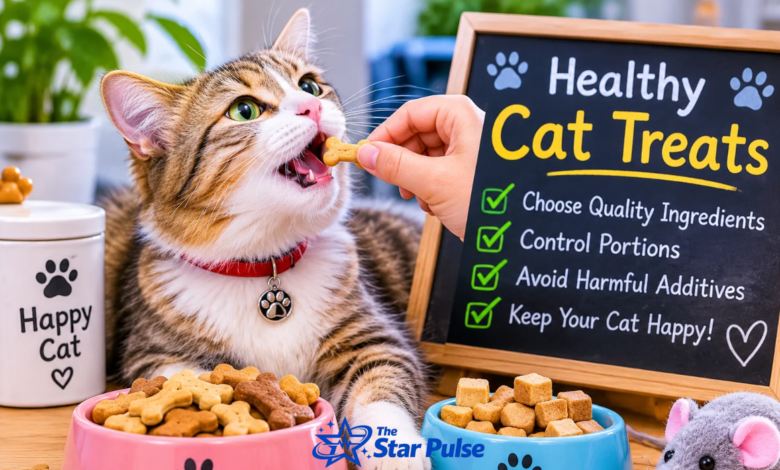
Choosing the right Cat Treats is an important part of keeping your feline friend happy, active, and healthy. Cats enjoy receiving tasty rewards, whether during playtime, training, or simply as a sign of affection. However, not every treat available in pet stores provides the nutrition cats need. Some products contain excessive calories, artificial additives, added sugars, or ingredients that may not suit sensitive stomachs. Healthy cat treats should complement a balanced diet rather than replace regular meals. Understanding ingredients, nutritional value, portion sizes, and your cat’s individual needs can help you make better decisions. Whether you have a playful kitten, an indoor adult cat, or a senior companion, this guide explains how to choose nutritious treats and avoid common feeding mistakes.
Why Choosing Healthy Cat Treats Matters
Healthy cat treats can support positive behavior, strengthen the relationship between pets and owners, and provide additional enjoyment throughout the day. Although treats are not a substitute for complete cat food, carefully selected options can contribute useful nutrients. For example, certain treats contain animal-based protein, while others provide specific textures that encourage chewing. The most important consideration is moderation. Giving too many treats can increase calorie consumption and contribute to unwanted weight gain. Cats also have different nutritional requirements depending on their age, activity level, and health condition. Selecting appropriate products helps owners reward their pets without unnecessarily disturbing their regular feeding routine.
Understand the Ingredients Before Buying
Reading the ingredient list is one of the easiest ways to identify quality Cat Treats. Cats are obligate carnivores, meaning their bodies require nutrients naturally found in animal-based foods. Look for recognizable ingredients such as chicken, turkey, salmon, tuna, or other suitable animal proteins. Products with clearly identified protein sources can make it easier to understand what your cat is eating. Avoid treats containing unnecessary artificial colors, excessive salt, added sugars, or ingredients that your veterinarian has advised against. Remember that a short ingredient list does not automatically guarantee superior nutrition. The complete nutritional profile, manufacturing standards, and suitability for your particular cat are equally important.
Choose Treats According to Your Cat’s Age
A cat’s age plays an important role in determining which treats are appropriate. Kittens generally need specially formulated food to support their rapid growth and development. Therefore, kitten-friendly treats should be small, easy to chew, and suitable for their age. Adult cats may enjoy crunchy snacks, soft bites, or freeze-dried meat treats, depending on their preferences. Senior cats sometimes experience dental sensitivity or changes in appetite, making softer textures more comfortable. Always check the product label for age recommendations. Avoid assuming that treats designed for adult cats are automatically suitable for young kittens. When introducing something new, start with a small amount and observe your pet’s response.
Soft vs. Crunchy Cat Treats
Soft and crunchy Cat Treats offer different textures, and the best option depends on your cat’s preferences. Soft treats are often easier to chew and may be suitable for cats that dislike hard textures. They are also available in small bites, creamy pastes, and meat-based varieties. Crunchy treats provide a different eating experience and may be convenient for rewarding cats during interactive activities. However, ordinary crunchy treats should not be considered a replacement for professional dental care or veterinary-approved dental products. Some cats enjoy both varieties, so owners can introduce different textures while monitoring calorie intake and digestive tolerance.
Look for High-Quality Protein Sources
Protein is essential for maintaining muscle, supporting normal body functions, and helping cats remain active. When selecting healthy cat treats, prioritize products that identify their animal protein sources clearly. Chicken, turkey, fish, and other suitable meats are common ingredients in cat snacks. Freeze-dried meat treats can also provide a simple option when they are manufactured specifically for cats and handled according to package instructions. However, protein content alone does not determine whether a product is healthy. Check calories, fat levels, and feeding recommendations as well. A treat should fit into your cat’s overall nutritional plan instead of creating an imbalance through excessive consumption.
Avoid Harmful and Unnecessary Ingredients
Not every human food or commercially available snack is safe for cats. Certain ingredients, including onion, garlic, chocolate, alcohol, and products containing xylitol, should be avoided. Some human snacks also contain excessive salt, seasonings, or fats that are inappropriate for feline diets. Milk is another common misconception because many adult cats have difficulty digesting lactose. Instead of sharing table scraps, choose treats specifically formulated for feline consumption. Carefully inspect ingredient labels, especially when purchasing flavored or mixed-ingredient products. If your cat accidentally consumes a potentially toxic ingredient, contact a veterinarian promptly rather than waiting for symptoms to develop.
How Many Cat Treats Should You Give Daily?
Portion control is essential when offering treats regularly. A commonly recommended guideline is that treats should contribute no more than 10% of a cat’s daily calorie intake, while the remaining calories should come from complete and balanced food. For example, a cat requiring 200 calories daily should generally receive no more than 20 calories from treats. Actual calorie requirements vary according to body weight, age, activity, and health. Check the calorie information printed on packaging because individual treats can differ significantly in size and energy content. Measuring portions rather than offering unlimited snacks helps prevent excessive calorie consumption and supports healthy weight management.
Best Cat Treats for Indoor Cats
Indoor cats often have fewer opportunities for physical activity than outdoor cats. Consequently, their calorie requirements may be lower depending on their lifestyle and body condition. Choosing appropriately portioned, lower-calorie treats can help indoor cats enjoy rewards without consuming unnecessary energy. Small chicken bites, measured freeze-dried treats, and veterinarian-approved dental snacks may be suitable choices. Owners can also make treat time more interesting by hiding small portions inside puzzle feeders or using them during interactive play. Combining food rewards with physical activity creates a more engaging routine while helping indoor cats maintain a healthy lifestyle.
Homemade Cat Treats and Safe Recipes
Homemade cat treats allow owners to control ingredients and experiment with simple preparations. Plain cooked chicken or turkey, without bones, seasoning, onion, or garlic, can be offered in small pieces as an occasional reward. Some cats may also enjoy small portions of thoroughly cooked fish prepared without added ingredients. Avoid raw meat because it can contain harmful bacteria or parasites. Homemade snacks should never replace complete and balanced cat food because they may not provide all essential nutrients. Prepare small quantities, refrigerate appropriately, and discard spoiled food. If your cat has allergies, digestive problems, or dietary restrictions, consult a veterinarian before introducing homemade recipes.
Selecting Cat Treats for Kittens
Kittens are curious and often enjoy exploring different flavors and textures. However, their digestive systems and nutritional requirements differ from those of adult cats. Choose products specifically labeled as suitable for kittens and follow the manufacturer’s age recommendations. Treats should be small enough to chew comfortably and should never interfere with the nutritional balance of kitten food. Avoid giving large pieces that could create choking risks. Introduce one new product at a time so you can identify possible reactions, including vomiting, diarrhea, or itching. If a kitten develops unusual symptoms after eating a new snack, stop offering it and seek veterinary advice.
Cat Treats for Picky Eaters
Some cats are naturally selective about food and may reject unfamiliar snacks. Finding suitable Cat Treats for picky eaters requires patience rather than repeatedly changing products. Start with small portions of familiar protein flavors, such as chicken or fish, if your cat already tolerates those ingredients. Texture can also influence acceptance because some cats prefer creamy snacks while others enjoy crunchy bites. Avoid forcing a cat to eat something it dislikes. You can occasionally offer a tiny reward during positive interactions to build familiarity. If your cat suddenly becomes uninterested in food, however, consider a veterinary examination because appetite changes can indicate an underlying health problem.
Understanding Special Dietary Needs and Allergies
Cats with food sensitivities, allergies, obesity, kidney conditions, or other medical concerns may require carefully selected treats. For example, a cat following a veterinary-prescribed diet may not be able to eat ordinary commercial snacks without affecting its nutritional plan. Limited-ingredient products can help owners identify specific ingredients, but they are not automatically hypoallergenic. Cats undergoing an elimination diet should generally avoid unapproved treats because even small amounts of another ingredient may interfere with the process. Always discuss suitable rewards with your veterinarian when your cat has a medical condition. Choosing treats according to individual dietary requirements is more important than selecting products based on marketing claims.
Storage, Labels, and Smart Buying Tips
Proper storage helps maintain the freshness and quality of cat snacks. Always follow the packaging instructions, close resealable bags securely, and keep products away from moisture, heat, and direct sunlight. Refrigerate or freeze products when the manufacturer recommends it, particularly certain fresh or moist treats. Check expiration dates before purchasing and inspect packaging for damage. Compare calorie information, ingredient lists, feeding recommendations, and manufacturer details instead of choosing products solely because of attractive packaging. Buying smaller packages can also be useful when testing unfamiliar flavors. These simple habits help owners make informed purchasing decisions and reduce unnecessary food waste.
Final Thoughts
Choosing healthy Cat Treats requires more attention than simply selecting a flavor your pet enjoys. Quality ingredients, appropriate protein sources, calorie content, age suitability, and portion control all contribute to better feeding decisions. Whether you prefer commercial snacks, freeze-dried options, soft bites, crunchy rewards, or simple homemade treats, always prioritize your cat’s individual nutritional needs. Remember that treats should remain an occasional reward rather than replace balanced meals. By reading labels carefully, avoiding harmful ingredients, and consulting a veterinarian when necessary, you can make treat time enjoyable while supporting your cat’s long-term health and well-being.
FAQs
1. What Are the Healthiest Treats for Cats?
Treats made with clearly identified animal proteins, such as chicken or turkey, can be suitable options. Look for products with appropriate calories, simple ingredients, and no unnecessary additives. The healthiest choice depends on your cat’s age, dietary requirements, and overall health.
2. Can Cats Eat Treats Every Day?
Yes, many healthy cats can enjoy small treats daily if their overall diet remains balanced. Treats should generally account for no more than 10% of daily calories. Always adjust portions according to your cat’s nutritional needs and veterinarian’s recommendations.
3. Are Homemade Cat Treats Better Than Store-Bought Options?
Homemade treats provide greater control over ingredients, while commercial products offer convenience and clear feeding instructions. Neither option is automatically better. Choose safe ingredients, maintain proper preparation standards, and ensure treats do not replace complete cat food.
4. Which Ingredients Should Cat Owners Avoid?
Avoid chocolate, onion, garlic, alcohol, and products containing xylitol. Excessive salt, heavy seasoning, and unsuitable human snacks should also be avoided. Always inspect ingredients and contact a veterinarian if your cat consumes something potentially toxic.
5. How Can I Choose Cat Treats for a Picky Eater?
Start with small portions of familiar protein flavors and experiment with different textures, such as soft bites or crunchy snacks. Introduce one product at a time and observe your cat’s reaction. Sudden appetite changes should be discussed with a veterinarian.