

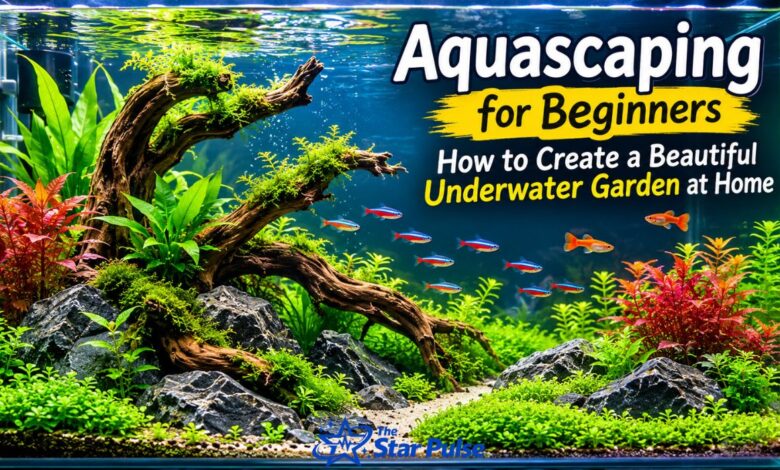
Aquascaping is the art of designing beautiful underwater landscapes inside aquariums using aquatic plants, rocks, driftwood, substrates, and carefully arranged decorations. It combines creativity, nature, and aquarium care to create a miniature underwater garden at home. Unlike traditional fish tanks that mainly focus on keeping fish, a planted aquarium emphasizes natural scenery, balanced layouts, and healthy plant growth. Beginners can start with a small aquarium and gradually develop their skills by learning about lighting, water quality, plant selection, and aquarium maintenance. With the right materials and a little patience, anyone can create an attractive underwater environment that looks natural and remains healthy over time.
What Is Aquascaping?
Aquascaping is the practice of arranging aquatic plants and natural materials to create visually appealing underwater environments. It takes inspiration from rivers, forests, mountains, and natural landscapes. Some aquarium owners prefer simple arrangements with a few rocks and plants, while others create detailed underwater gardens with multiple layers and different plant species. A successful aquascape balances appearance with biological requirements, ensuring plants receive suitable light, nutrients, and carbon dioxide. It also provides fish and small aquatic creatures with places to explore and hide. The main goal is to create a miniature ecosystem that looks beautiful while supporting healthy aquatic life.
Choose the Right Aquarium Size
Selecting an appropriate aquarium is one of the first steps when starting aquascaping. Beginners often consider small tanks because they require less space, but extremely small aquariums can experience rapid changes in water temperature and chemistry. A tank between 10 and 20 gallons can provide a manageable starting point for many beginner designs. Larger aquariums offer more room for creative layouts and make it easier to establish visual depth. Before purchasing a tank, consider its location, available space, maintenance requirements, and the types of plants or fish you want to keep. A stable, level surface and access to electrical outlets are also important.
Understand Different Aquascaping Styles
There are several popular aquascaping styles, each offering a different appearance and design approach. The Nature Aquarium style uses rocks, driftwood, and plants to recreate natural landscapes. Iwagumi focuses on carefully positioned stones and usually features a limited selection of plants. Dutch aquascaping emphasizes colorful aquatic plants arranged in organized groups and layers. Jungle aquascaping creates a dense, natural appearance with abundant vegetation. Another popular option is the biotope aquarium, which recreates the environmental conditions and natural appearance of a particular aquatic habitat. Beginners should choose a style that matches their available space, budget, and maintenance experience.
Select the Best Substrate for Aquatic Plants
Aquarium substrate plays an important role in plant development and the overall appearance of an underwater garden. It provides a foundation for roots and helps anchor plants securely. Common options include nutrient-rich aquasoil, aquarium gravel, and sand. Aquasoil is particularly useful for many planted aquariums because it contains nutrients that support root development. Gravel can work well with plants that receive nutrients through liquid fertilizers or root tabs. Sand creates a smooth, natural appearance but may require additional nutrient supplementation for rooted plants. Beginners should research their selected plant species before choosing a substrate because different plants have different nutritional requirements.
Choose Suitable Plants for Beginners
Choosing easy-to-grow plants makes the first aquascaping project less complicated. Java fern, Anubias, Java moss, Amazon sword, and Cryptocoryne are popular options for planted aquariums. These plants offer different textures, sizes, and growth patterns, allowing beginners to create attractive arrangements without immediately working with demanding species. Java fern and Anubias are commonly attached to driftwood or rocks rather than buried in the substrate. Meanwhile, Amazon sword develops roots and needs suitable substrate conditions. Floating plants can also provide shade and help absorb excess nutrients. Always check the mature size and growth requirements of each plant before introducing it into the aquarium.
Arrange Rocks and Driftwood Naturally
Hardscape refers to the non-living decorative elements used in aquascaping, especially rocks and driftwood. These materials create the basic structure of an underwater landscape before plants are added. Beginners can experiment with different arrangements to create hills, valleys, pathways, and focal points. A useful technique is to select one main stone or driftwood piece and position smaller elements around it. Avoid arranging every object symmetrically because natural environments usually contain irregular shapes and spacing. Use aquarium-safe materials and avoid rocks that may release unwanted substances into the water. Driftwood should also be prepared properly before use to reduce floating and excess tannins.
Install Proper Aquarium Lighting
Lighting directly influences aquatic plant growth, appearance, and overall aquarium health. Most beginner planted tanks benefit from a reliable LED aquarium light designed for aquatic plants. The appropriate brightness and duration depend on plant species, tank depth, and whether carbon dioxide is supplied. Starting with approximately six hours of lighting daily can help beginners monitor plant responses while limiting excessive algae growth. Lighting periods can be adjusted gradually when plants show healthy development. Using a timer helps maintain a consistent schedule. Too much light without sufficient nutrients and carbon availability can encourage algae, so beginners should avoid assuming that longer lighting always produces better plant growth.
Understand CO2 Requirements
Carbon dioxide is an important resource for photosynthesis, allowing aquatic plants to produce energy and grow. Some advanced aquascapes use pressurized CO2 systems to support demanding plants and faster growth. However, beginners do not necessarily need expensive CO2 equipment. Many low-tech aquariums grow successfully with easy plants, moderate lighting, and suitable nutrients. If you choose to install a CO2 system, learn how to regulate its supply and monitor aquarium conditions carefully. Excessive CO2 can be dangerous for fish and other aquatic animals. A balanced setup is more important than purchasing complicated equipment, particularly when developing your first underwater garden.
Select a Suitable Filtration System
A good filtration system helps maintain clean and stable aquarium water. Filters remove suspended particles, support beneficial bacteria, and contribute to the biological processes that break down fish waste. Common choices include hang-on-back filters, sponge filters, and external canister filters. The right option depends on aquarium size, stocking levels, and the layout of the aquascape. Sponge filters are gentle and useful for smaller aquariums, while canister filters offer greater capacity for larger setups. Avoid creating excessively strong water currents that may disturb delicate plants or fish. Clean filter components carefully and preserve beneficial biological media during routine maintenance.
Create a Balanced Underwater Layout
A beautiful aquascape needs a thoughtful arrangement rather than random placement of decorations. One useful design technique is the rule of thirds, which divides the viewing area into sections and places the main focal point away from the center. Beginners can also create depth by using taller plants toward the back, medium-sized plants in the middle, and shorter carpeting plants near the front. Open spaces can represent pathways or natural clearings. Avoid overcrowding the aquarium because plants need room to grow and spread. Before filling the tank, experiment with different hardscape arrangements and take photographs to compare possible designs.
Cycle the Aquarium Before Adding Fish
Aquarium cycling is an essential process that establishes beneficial bacteria capable of converting harmful ammonia into nitrite and then less harmful nitrate. These bacteria develop mainly on filter media, substrate, and other aquarium surfaces. A new aquarium should complete its nitrogen cycle before fish are introduced. Use an aquarium test kit to monitor ammonia, nitrite, and nitrate rather than relying only on water clarity. A tank can look perfectly clean while still containing dangerous levels of ammonia. Fishless cycling is generally a suitable approach for beginners because it establishes biological filtration without exposing fish to harmful conditions.
Maintain Water Quality and Prevent Algae
Regular maintenance keeps an aquascape attractive and supports healthy plant development. Beginners should establish a routine that includes partial water changes, removing dead leaves, cleaning the glass, and trimming overgrown plants. Many planted aquariums benefit from weekly water changes, although the exact schedule depends on stocking, plant growth, and water conditions. Algae problems often develop when lighting, nutrients, and carbon availability become unbalanced. Avoid overfeeding fish and remove decaying organic matter promptly. Test water parameters when something changes unexpectedly. Maintaining consistency is usually more effective than making several major adjustments at once.
Develop Your Aquascaping Skills Gradually
Aquascaping is a creative hobby that improves with experience, observation, and experimentation. Beginners should avoid purchasing every available aquarium product immediately. Start with a manageable design, learn how selected plants grow, and understand how different equipment affects the environment. Take photographs every few weeks to observe changes in plant growth and layout. Online aquascaping communities, aquarium books, and educational videos can provide useful inspiration, but always evaluate advice according to your aquarium’s actual conditions. As your confidence improves, you can experiment with advanced techniques such as carpeting plants, detailed stone arrangements, and high-tech planted aquarium systems.
Final Thoughts
Aquascaping offers an enjoyable way to bring the beauty of nature into your home while developing practical aquarium skills. Creating an underwater garden does not require expensive equipment or professional experience. Beginners can achieve excellent results by choosing a suitable aquarium, selecting easy aquatic plants, arranging natural hardscape materials, and maintaining stable water conditions. Understanding lighting, filtration, substrate, and aquarium cycling will make the process easier and help prevent common problems. Start with a simple design, observe how your plants develop, and make gradual improvements. With patience and consistent care, your aquascaping project can become a beautiful underwater landscape that continues to grow and evolve.
FAQs
1. What is the easiest way to start aquascaping?
Start with a 10–20-gallon aquarium, beginner-friendly aquatic plants, suitable substrate, basic filtration, and aquarium lighting. Choose a simple layout using a few rocks or driftwood pieces. Allow the aquarium to cycle properly before introducing fish, and monitor water quality regularly.
2. Which plants are best for beginner aquascaping?
Java fern, Anubias, Java moss, Cryptocoryne, and Amazon sword are popular beginner-friendly choices. They offer different shapes and textures and can grow in many planted aquarium setups. However, each species has specific lighting, nutrient, and planting requirements.
3. Does aquascaping require CO2?
No, CO2 injection is not essential for every aquascape. Low-tech aquariums can support many attractive plants using moderate lighting and appropriate nutrients. Pressurized CO2 is more useful for demanding plants and advanced layouts that require faster growth.
4. How often should I clean an aquascaped aquarium?
Many aquascaped aquariums benefit from weekly partial water changes, glass cleaning, and removal of dead leaves. Plant trimming should be performed whenever growth becomes excessive. The exact maintenance schedule depends on aquarium size, fish population, plant density, and water conditions.
5. How long does it take to create a beautiful aquascape?
The initial layout can be completed in a few hours, but a mature aquascape takes considerably longer. Many plants need several weeks or months to establish roots, develop new leaves, and fill the available space. Regular maintenance and patience help achieve a balanced, natural appearance.