

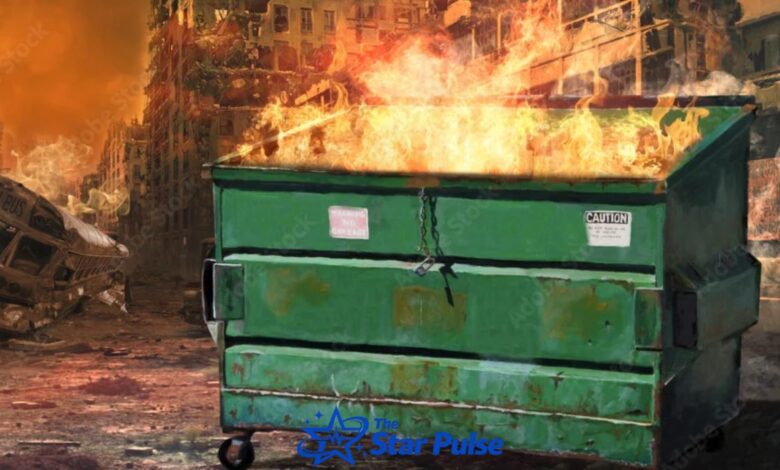
A dumpster fire is a serious safety hazard that can damage property, threaten human health, and release harmful smoke into the environment. Dumpsters often contain mixed waste, including cardboard, paper, plastic, packaging materials, and other combustible items that can catch fire under the right conditions. Whether located behind a home, restaurant, apartment building, warehouse, or commercial property, a dumpster can become a fire risk when waste is handled carelessly. Understanding dumpster fire causes, recognizing potential hazards, and following effective prevention strategies can help property owners, employees, and waste management teams reduce the likelihood of an emergency. Proper waste disposal, safe storage practices, routine inspections, and responsible handling of flammable materials are essential parts of a reliable dumpster fire safety plan.
What Is a Dumpster Fire?
A dumpster fire occurs when rubbish inside or around a waste container ignites and burns. These fires may begin accidentally through discarded cigarettes, improperly disposed of hot ashes, flammable liquids, chemical reactions, or nearby ignition sources. The severity depends on the type and quantity of waste, airflow, weather conditions, and how quickly the fire is detected. A small fire involving cardboard can spread to plastics, wooden pallets, and nearby structures, producing intense heat and dense smoke. Dumpster fires may occur in residential neighborhoods, shopping centers, construction sites, industrial facilities, and restaurants. Although the term is sometimes used informally to describe a disastrous situation, an actual dumpster fire is a physical emergency that requires appropriate precautions and, when necessary, professional firefighting assistance.
Common Causes of Dumpster Fires
Several preventable mistakes can cause a dumpster fire. Discarded cigarettes and matches may ignite dry paper or cardboard, especially when they remain hot after disposal. Hot charcoal, fireplace ashes, and barbecue embers can also start fires if placed in ordinary rubbish before cooling completely. Another common hazard involves flammable liquids, aerosol containers, solvents, and fuel-soaked materials. Some batteries can overheat or enter thermal runaway when damaged, crushed, or improperly discarded. Electrical equipment and lithium-ion batteries from phones, power tools, and e-bikes deserve particular attention because their failure can produce intense heat and difficult-to-control fires. Additionally, welding, grinding, or other hot work near waste containers can introduce sparks. Identifying these dumpster fire causes helps businesses and households establish practical prevention measures.
Major Dangers of a Dumpster Fire
Dumpster fires can create serious risks beyond the immediate flames. Burning plastics, treated materials, and mixed household rubbish may release irritating or toxic smoke, while airborne particles can affect breathing and reduce visibility. Heat can crack windows, damage exterior walls, ignite nearby vehicles, and spread to buildings if dumpsters are positioned too close to structures. Fire can also damage underground utility areas or nearby equipment, depending on the location. In commercial settings, an incident may interrupt operations, destroy inventory, and create costly cleanup requirements. Wind can carry burning debris into surrounding areas, increasing the possibility of secondary fires. These dumpster fire hazards demonstrate why even a seemingly small rubbish fire should never be ignored or approached without considering personal safety.
Environmental Impact of Dumpster Fires
A dumpster fire can contribute to air pollution by releasing smoke, soot, and combustion by-products. The exact emissions depend on what is burning, how completely the materials combust, and the surrounding conditions. Burning plastic, rubber, electronic waste, and chemically treated materials can create particularly concerning pollution. Firefighting water may also carry ash, melted plastic, and contaminated debris into storm drains or soil if it is not properly managed. After a fire, property managers should arrange appropriate waste assessment and cleanup rather than treating all burned materials as ordinary rubbish. Preventing dumpster fires supports cleaner neighborhoods, safer waste management, and reduced environmental contamination. Proper recycling and disposal of hazardous waste are important because they keep dangerous materials out of general-purpose containers.
Warning Signs and Early Detection
Recognizing warning signs early can help prevent a small incident from becoming a major emergency. Smoke rising from a dumpster, an unusual burning smell, visible sparks, glowing embers, or unexplained heat around a container may indicate a developing fire. Staff should also watch for waste containers placed near active construction work, outdoor smoking areas, or locations where flammable materials are handled. Routine visual inspections can identify overflowing rubbish, improperly discarded batteries, and combustible debris accumulating nearby. However, nobody should open a smoking dumpster, lean over it, or reach inside to investigate. If flames or smoke are present, move away, warn others, and contact the local fire service. Early detection is useful only when it is combined with safe emergency procedures.
Effective Dumpster Fire Prevention Methods
The best dumpster fire prevention strategy combines safe disposal habits, suitable container placement, and consistent supervision. Keep waste containers away from buildings, combustible walls, parked vehicles, and other fire hazards, following local fire codes and fire-service recommendations. Never place burning cigarettes, hot ashes, matches, or smoldering charcoal in rubbish. Store flammable liquids and hazardous chemicals through approved procedures rather than discarding them in ordinary waste. Arrange regular collections to prevent rubbish from overflowing, and remove loose cardboard or other combustible materials around the dumpster. Businesses should establish clear waste disposal rules and train employees to follow them. Where appropriate, use secure lids and approved enclosures without obstructing emergency access or violating ventilation requirements.
Safe Disposal of Batteries and Hazardous Waste
Batteries require special attention because damaged or improperly handled cells can ignite, particularly lithium-ion batteries. Never throw swollen, leaking, crushed, or otherwise damaged batteries into ordinary dumpsters. Keep them away from heat and combustible materials, avoid puncturing them, and follow local hazardous-waste guidance for safe handling. Do not assume that removing a battery from an electronic device makes it harmless. Similarly, gasoline, paint thinners, solvents, pesticides, and other hazardous chemicals should never be poured into ordinary rubbish containers unless an authorized disposal process specifically permits it. Keep these products in suitable containers and use designated collection services. Correct disposal reduces dumpster fire risks while protecting waste collection workers, recycling facilities, and nearby communities.
What to Do During a Dumpster Fire
If a dumpster catches fire, prioritize people over property. Move away from the container, alert anyone nearby, and call the local emergency number. Describe the location accurately and explain whether hazardous chemicals, gas cylinders, batteries, or other dangerous materials may be involved. Avoid breathing smoke, opening the dumpster, moving the container, or attempting to retrieve belongings. Never pour water onto a fire involving suspected energized electrical equipment or reactive chemicals, and do not attempt to extinguish a growing fire yourself. Even a portable fire extinguisher should be used only by someone trained to use it, when the fire is small, an appropriate extinguisher is available, and a clear escape route remains. Otherwise, evacuate and wait for firefighters.
Commercial Dumpster Fire Safety Tips
Restaurants, warehouses, apartment complexes, retail stores, and construction businesses should maintain written dumpster fire safety procedures. Employees need clear instructions about cigarette disposal, battery recycling, chemical waste, and reporting suspicious smoke or heat. Managers should inspect waste areas regularly, arrange dependable collection schedules, and ensure containers remain accessible to emergency responders. Businesses that perform welding or cutting should establish suitable hot-work controls and keep combustible waste away from sparks. Security lighting and appropriate surveillance may help discourage deliberate ignition, although neither replaces sound waste management. Property managers should also review insurance requirements, local fire regulations, and recommendations from qualified fire-safety professionals. Consistent staff training makes dumpster safety a routine responsibility rather than an emergency reaction.
Preventing Arson and Unauthorized Access
Some dumpster fires result from deliberate ignition or unauthorized access. Businesses can reduce these opportunities by positioning containers in well-lit areas, restricting access where appropriate, and using suitable locking lids or secure enclosures. Keep dumpsters away from public smoking areas when practical, and avoid leaving loose combustible waste around them overnight. Surveillance cameras may support incident investigations, provided their use follows applicable privacy rules. However, security measures should not block firefighters, obstruct evacuation routes, or create unsafe access conditions for waste collection crews. If repeated suspicious incidents occur, document the circumstances and report them to the appropriate authorities. Prevention works best when physical security is combined with responsible waste handling and regular inspections.
Cleaning Up After a Dumpster Fire
After a dumpster fire, do not assume the danger has ended simply because visible flames have disappeared. Hot spots, smoldering materials, and damaged batteries can reignite. Keep people away until firefighters or other qualified personnel confirm that the area is safe. The damaged dumpster may need professional inspection, replacement, or removal, while burned waste may require specialized disposal depending on its contents. Avoid sweeping or handling unknown ash and residues without suitable protective measures. If smoke has affected a building, arrange an appropriate assessment before normal activities resume. Photographing damage, documenting the incident, and notifying the property owner or insurer can also support recovery. Cleanup should follow local environmental, fire-safety, and waste disposal requirements.
Developing a Practical Dumpster Safety Checklist
A simple checklist helps property owners turn fire prevention into a repeatable routine. Inspect the waste area for smoke, heat, overflowing rubbish, loose combustible materials, and signs of unauthorized access. Confirm that hazardous waste and batteries are being separated according to local disposal rules. Check that containers are positioned appropriately, lids and locks function correctly, and emergency access remains clear. Businesses should assign responsibility for inspections and record problems that require attention. Employees must know how to raise an alarm and where to assemble during an emergency. The checklist should be reviewed after an incident, a change in waste volume, or the introduction of new equipment or materials. These small steps strengthen workplace safety and reduce avoidable fire hazards.
When to Seek Professional Fire-Safety Advice
Professional advice is especially valuable for properties that generate large amounts of combustible waste or handle chemicals, batteries, and industrial materials. A qualified fire-safety professional can assess container placement, separation distances, access routes, storage practices, and applicable fire-code requirements. Waste management providers can also explain which materials they accept and how specialized waste should be collected. Businesses should consult local authorities about requirements for fire protection, hazardous materials, and commercial waste storage. Because regulations vary by location and property type, generic recommendations should not replace a site-specific assessment. Investing in appropriate guidance can prevent dangerous mistakes, reduce disruption, and create a safer waste disposal system for employees, customers, and neighboring properties.
Final Thoughts
A dumpster fire is more than a waste disposal problem; it can become a threat to people, buildings, businesses, and the environment. Understanding common causes, recognizing warning signs, and disposing of combustible materials responsibly are essential steps toward prevention. Safe battery handling, regular inspections, secure container placement, employee training, and appropriate emergency responses all help reduce dumpster fire hazards. When a fire occurs, prioritize evacuation and contact the local fire service instead of risking injury to protect property. By following practical dumpster fire prevention methods and local safety requirements, households and businesses can maintain safer waste areas and reduce the likelihood of costly emergencies.
FAQs
1. What causes a dumpster fire?
Common causes include discarded cigarettes, hot ashes, sparks from construction work, flammable liquids, and damaged lithium-ion batteries. Deliberate ignition can also cause fires. Safe disposal practices and routine inspections help reduce these risks.
2. Are dumpster fires dangerous?
Yes. Dumpster fires can produce harmful smoke, intense heat, and airborne particles. Flames may spread to nearby buildings, vehicles, or vegetation. Anyone nearby should move to safety and contact emergency services when a fire occurs.
3. How can I prevent a dumpster fire?
Keep hot ashes, cigarettes, matches, batteries, and hazardous chemicals out of ordinary rubbish. Maintain suitable separation between dumpsters and combustible structures, prevent waste overflow, and arrange regular inspections and collections.
4. Should I extinguish a dumpster fire myself?
Do not attempt to extinguish a growing fire or investigate a smoking dumpster. Move away and call the local fire service. Only a trained person should consider using an appropriate extinguisher on a small fire when escape remains safe.
5. What should I do after a dumpster fire?
Keep people away until emergency personnel confirm the area is safe. Arrange suitable inspection, cleanup, and disposal of damaged materials. Document property damage and follow local fire-safety and environmental requirements before returning the area to normal use.