

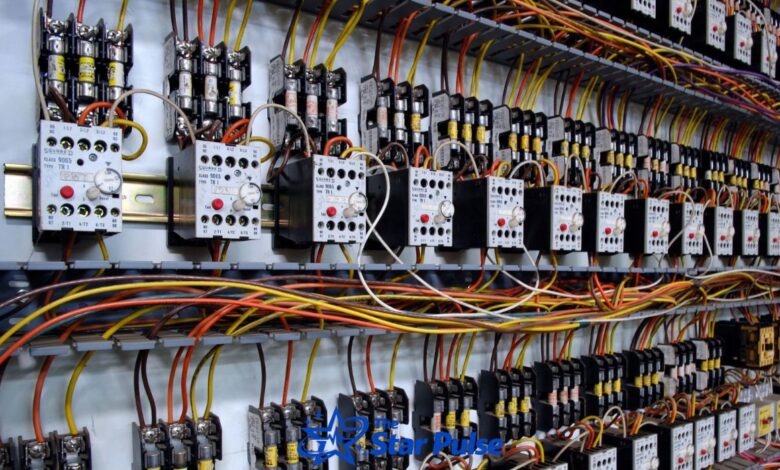
Electrical installation is an essential part of modern homes, offices, commercial buildings, and industrial facilities. It involves installing the wiring, switches, sockets, lighting systems, protective devices, and other electrical components needed to distribute electricity safely and efficiently. A properly planned electrical installation supports everyday activities, protects valuable equipment, and reduces the risk of electric shock, fire, and electrical failure. Whether you are constructing a new property, renovating an existing building, or upgrading an outdated system, understanding electrical installation helps you make informed decisions about quality, safety, and long-term costs. This guide explains the main types of electrical installations, the installation process, safety standards, maintenance requirements, and important considerations for residential and commercial projects.
What Is Electrical Installation?
Electrical installation refers to the complete arrangement of electrical equipment, cables, accessories, and protective systems that deliver electricity from a supply source to the points where it is needed. It can include the main distribution board, circuit breakers, earthing arrangements, lighting circuits, power outlets, and connections for appliances. Every component must be selected according to the building’s electrical demand and installed using appropriate technical standards. Electrical installation is not simply about connecting wires; it requires careful planning, correct load calculations, suitable materials, and proper testing. A professionally installed system distributes electricity reliably while helping prevent overheating, short circuits, and dangerous faults.
Main Types of Electrical Installation
Electrical installations vary according to the purpose, size, and design of a building. Residential electrical installation serves houses and apartments, while commercial electrical installation supports offices, shops, restaurants, and other business premises. Industrial electrical installation is designed for factories, production lines, heavy machinery, and specialized equipment that may require higher power capacities. Other categories include outdoor lighting, emergency power systems, renewable energy installations, and temporary electrical supplies for construction sites. Each type has different requirements for cable sizing, protective devices, environmental protection, and inspection. Identifying the correct installation type at the planning stage helps ensure the system can handle its intended workload safely and efficiently.
Residential Electrical Installation
Residential electrical installation focuses on providing safe and convenient electricity throughout a home. It includes lighting, ceiling fans, wall sockets, kitchen appliances, air conditioning, water heaters, and other household equipment. During planning, an electrician assesses the expected electrical load, the number of circuits required, and the location of outlets and switches. Separate circuits may be necessary for high-power appliances to prevent overloading. Modern homes may also benefit from energy-efficient lighting, surge protection, and provisions for solar panels or electric vehicle charging. Proper residential electrical installation improves convenience, supports future upgrades, and reduces the likelihood of recurring electrical problems.
Commercial Electrical Installation
Commercial electrical installation requires careful coordination because business premises often use more equipment and operate for longer hours than residential properties. Offices may need dedicated circuits for computers, servers, lighting, and air conditioning, while restaurants require supplies for refrigeration and kitchen equipment. Retail stores may also need display lighting, security systems, and emergency lighting. The design must consider occupancy, operating schedules, equipment demand, and applicable building regulations. Good planning allows maintenance work to be completed more efficiently and reduces unnecessary disruption. Businesses should use qualified electrical professionals who understand commercial requirements and can provide appropriate testing and installation documentation.
The Electrical Installation Planning Process
Planning is one of the most important stages of an electrical installation project. Before work begins, a qualified professional reviews building drawings, identifies electrical loads, considers the location of appliances, and determines the required circuits and distribution equipment. Cable routes should avoid unsuitable environments and allow reasonable access for future maintenance. The design must also account for earthing, protective devices, ventilation, and possible expansion. Property owners should discuss their current needs and future plans before walls are closed or ceilings are finished. A detailed installation plan helps prevent expensive changes, material waste, inconvenient socket placement, and insufficient electrical capacity.
Electrical Installation Materials and Components
The reliability of an electrical installation depends partly on the quality and suitability of its materials. Common components include insulated cables, conduits, junction boxes, switches, sockets, distribution boards, circuit breakers, residual-current protection devices, and earthing conductors. Each item must be compatible with the circuit’s current, voltage, installation environment, and applicable standards. Cable selection depends on factors such as load, length, installation method, ambient temperature, and voltage drop. Low-quality or incorrectly rated components may overheat, deteriorate prematurely, or fail to protect against electrical faults. Purchasing compliant products from reputable suppliers and having them installed correctly supports safety and long-term performance.
Step-by-Step Electrical Installation Process
A typical electrical installation begins with assessment and design, followed by selecting suitable materials and preparing cable routes. Qualified electricians then install the necessary conduits, boxes, cables, distribution equipment, and accessories according to the approved design. Connections are completed using appropriate methods, and protective devices are fitted to the relevant circuits. Before the installation is energized, the electrician performs the required inspections and electrical tests. Any identified defects must be corrected before the system is put into service. The precise sequence varies according to the building, installation type, and local regulations. Energized electrical work should never be attempted by an unqualified person.
Electrical Installation Safety Standards
Electrical installation safety standards establish requirements for designing, installing, inspecting, and maintaining electrical systems. Applicable rules depend on the country, building type, and nature of the project. Standards such as the International Electrotechnical Commission’s IEC 60364 series address important aspects of low-voltage electrical installations. Local building codes may impose additional requirements for circuit protection, earthing, cable selection, and inspection. Property owners should confirm which regulations apply before work begins. Following recognized standards helps reduce electrical hazards, supports consistent workmanship, and provides a framework for verifying that an installation is suitable for its intended use.
Earthing and Electrical Protection
Earthing and protective devices are fundamental parts of a safe electrical installation. Earthing provides a designed path for fault current, helping protective equipment operate under appropriate fault conditions. Circuit breakers protect circuits against excessive current, while residual-current devices can provide additional protection against certain leakage-current hazards. These devices serve different purposes and should not be treated as interchangeable. Correct selection, installation, and testing are essential. Never assume that an installation is safe simply because its appliances work. A qualified electrician should verify protective arrangements and investigate signs of damaged insulation, repeated breaker trips, unusual heat, or burning smells.
Electrical Installation Costs
Electrical installation costs depend on the property’s size, the number of circuits, labor rates, material quality, and the complexity of the design. New construction may require extensive wiring, while a small upgrade might involve replacing selected accessories or adding a dedicated circuit. Rewiring older buildings can be more expensive when walls must be opened or existing defects require correction. Additional expenses may include distribution-board upgrades, inspection fees, earthing improvements, and specialist equipment. To compare quotations fairly, request itemized estimates covering materials, labor, testing, and any necessary repairs. The cheapest quote is not necessarily the best value if essential safety work is excluded.
Common Electrical Installation Problems
Common electrical installation problems include overloaded circuits, loose connections, damaged cables, incorrectly rated breakers, poor earthing, and insufficient outlets. Warning signs can include flickering lights, warm sockets, buzzing sounds, frequently tripping breakers, or a burning odor. These symptoms may indicate a fault that requires prompt professional attention. Stop using affected equipment and seek qualified assistance; if there is smoke or fire, keep away and contact emergency services. Avoid repeatedly resetting a breaker without identifying the cause. Proper design, professional workmanship, and timely repairs can prevent small defects from developing into serious electrical hazards.
Electrical Installation Inspection and Maintenance
Regular inspection helps keep an electrical installation safe and reliable throughout its service life. The appropriate inspection schedule depends on the property’s use, installation condition, local requirements, and exposure to demanding operating conditions. Electricians can examine distribution boards, protective devices, visible wiring, connections, and signs of overheating or deterioration. They may also conduct insulation-resistance, continuity, polarity, and protective-device tests where applicable. Building owners should maintain records of inspections, repairs, and modifications. Never remove electrical covers or perform internal checks yourself. Planned maintenance can identify developing problems early and reduce unexpected interruptions in homes and businesses.
Energy Efficiency and Modern Electrical Installations
Modern electrical installation planning can improve energy efficiency while preparing buildings for changing technology. LED lighting generally uses less electricity than traditional incandescent lighting, and occupancy sensors can reduce unnecessary lighting in suitable spaces. Smart controls may help users manage heating, cooling, and lighting more effectively. Solar photovoltaic systems, battery storage, and electric vehicle chargers can also be incorporated when the electrical design and available supply support them. These additions require appropriate protection, capacity assessment, and compliance with local requirements. Planning for future equipment during the initial installation can reduce later modification costs and improve the building’s long-term flexibility.
Final Thoughts
Electrical installation is a long-term investment in a property’s safety, functionality, and efficiency. From residential wiring to complex commercial systems, every project requires suitable planning, compliant materials, correct protective devices, and professional testing. Understanding installation types, costs, maintenance, and safety requirements helps property owners make better decisions and recognize potential warning signs. Always choose qualified electrical professionals, follow local regulations, and avoid dangerous do-it-yourself work. A well-designed and properly maintained electrical installation can provide dependable service while supporting future upgrades and modern energy technologies.
FAQs
1. What is electrical installation?
Electrical installation is the arrangement of wiring, switches, sockets, distribution boards, and protective devices that deliver electricity safely throughout a building.
2. How much does electrical installation cost?
Costs depend on building size, materials, labor, circuit requirements, and project complexity. Request an itemized quotation from a qualified electrician.
3. What are the main types of electrical installation?
The main types include residential, commercial, and industrial installations, along with outdoor lighting, emergency power, and renewable energy systems.
4. Why are electrical installation safety standards important?
They establish requirements for wiring, earthing, circuit protection, and testing, helping reduce electrical shock, fire risks, and equipment damage.
5. How often should an electrical installation be inspected?
Inspection frequency depends on local regulations, building use, and system condition. A qualified electrician can recommend an appropriate inspection schedule.