

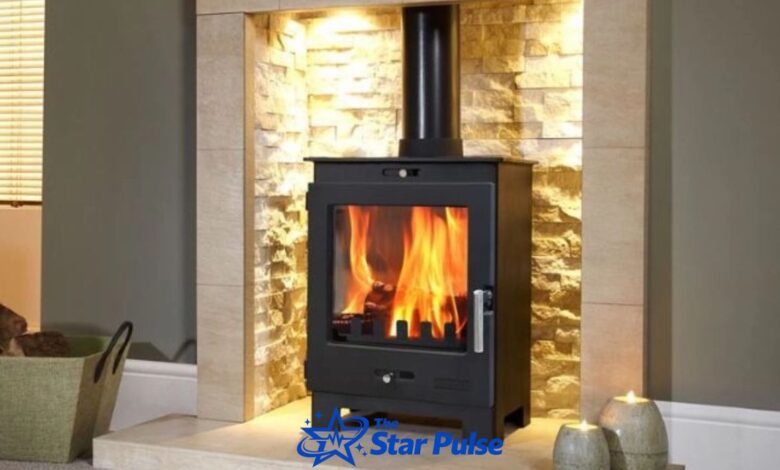
Fireplace Installation is an excellent way to improve home comfort, enhance interior design, and create a welcoming atmosphere during colder months. Modern fireplaces are available in several styles, including wood-burning, gas, electric, and ethanol models, allowing homeowners to choose an option that suits their property, budget, and heating requirements. However, installing a fireplace involves more than selecting an attractive design. Proper planning, ventilation, fuel supply, building regulations, and fire safety are essential for a successful project. Understanding installation costs, available fireplace types, maintenance requirements, and professional installation services can help homeowners make informed decisions. This comprehensive guide explains the fireplace installation process, its advantages, common expenses, and practical safety considerations for residential properties.
Understanding Fireplace Installation
Fireplace Installation involves preparing a suitable location, selecting an appropriate appliance, and completing the necessary construction, ventilation, electrical, or fuel connections. The exact process depends on the fireplace type and the building’s existing structure. Some electric fireplaces require only an electrical connection and secure mounting, while traditional wood-burning fireplaces may need a chimney, fire-resistant materials, and substantial construction work. Gas fireplaces require compatible gas connections and appropriate venting arrangements. Before beginning installation, homeowners should evaluate room dimensions, available wall space, heating needs, and local building requirements. A qualified installer can determine whether the selected fireplace is suitable for the property and identify potential structural or ventilation problems before work begins.
Types of Fireplaces for Modern Homes
Choosing the right fireplace is one of the most important decisions in the installation process. Wood-burning fireplaces provide a traditional flame and the familiar experience of burning logs, but they require fuel storage, ash removal, and effective chimney maintenance. Gas fireplaces offer convenient operation and adjustable heat, although they need an approved gas supply and suitable venting or other manufacturer-approved arrangements. Electric fireplaces are popular for their simpler installation, realistic flame effects, and flexible placement options. Ethanol fireplaces provide decorative flames without a conventional chimney, but they still require careful handling and adequate ventilation. Comparing installation requirements, operating expenses, appearance, and safety features helps homeowners select a fireplace that matches their lifestyle.
Fireplace Installation Costs in 2026
Fireplace installation cost varies according to appliance type, labor rates, materials, location, and the complexity of the project. An electric fireplace generally costs less to install when an appropriate electrical supply is already available. Gas fireplace installation can be more expensive if new gas piping, venting, or wall modifications are necessary. Wood-burning fireplaces may involve additional expenses for chimney construction, fireproof surrounds, and structural preparation. Decorative stone, custom mantels, and premium finishes can also increase the overall budget. Because prices differ considerably between regions and individual homes, homeowners should obtain written estimates from several qualified contractors. Each estimate should separate equipment, labor, materials, permits, finishing work, and possible additional charges.
Electric Fireplace Installation
Electric fireplace installation is often a practical choice for apartments, bedrooms, living rooms, and homes where conventional chimney construction is unsuitable. These units are available as wall-mounted models, recessed fireplaces, and freestanding appliances. Installation typically involves selecting a suitable position, securing the unit according to its instructions, and providing an electrical connection that meets the manufacturer’s specifications. Some models require a dedicated circuit, while others can use an existing outlet if permitted by the manufacturer and applicable electrical rules. Homeowners should avoid overloading extension cords or concealing electrical connections improperly. Although electric fireplaces generally require less construction, correct mounting, clearance, and electrical safety remain essential.
Gas Fireplace Installation Requirements
Gas fireplace installation offers convenient heating and realistic flames without the regular handling of firewood. Depending on the model, a gas fireplace may use natural gas or liquefied petroleum gas, commonly called LPG. Installation requires compatible fuel connections, approved components, and a venting arrangement appropriate for the appliance. Direct-vent fireplaces typically draw combustion air from outside and discharge exhaust outdoors through a dedicated system. Vent-free models, where legally permitted, have different restrictions and indoor air-quality considerations. A licensed gas professional should handle fuel connections, leak testing, and commissioning. Homeowners should never attempt to modify gas piping or bypass safety controls. Carbon monoxide alarms should be installed and maintained according to local requirements and manufacturer guidance.
Wood-Burning Fireplace Installation
Wood-burning fireplace installation suits homeowners who prefer a traditional fire and have access to appropriate firewood. However, it is usually more complicated than installing an electric unit because smoke and combustion gases must be safely removed. A properly designed chimney, suitable flue liner, fire-resistant hearth, and required clearances are important parts of the system. Existing chimneys should be inspected for blockages, deterioration, and unsuitable construction before use. New installations may require structural work and local permits. Using dry, seasoned wood helps reduce smoke and creosote accumulation. Homeowners should also consider wood storage, ash disposal, chimney cleaning, and the possibility of smoke entering the living space if the system operates incorrectly.
Step-by-Step Fireplace Installation Process
A successful fireplace installation usually begins with an assessment of the room, heating requirements, and available installation space. Next, the homeowner selects a compatible fireplace and confirms applicable building, electrical, gas, and fire-safety requirements. The installer then prepares the location, including any required framing, hearth construction, electrical work, or venting. After positioning the appliance, the professional completes the necessary connections and secures the unit according to its instructions. The final stage includes checking clearances, testing operating controls, inspecting ventilation, and confirming that safety devices function correctly. Homeowners should receive operating instructions, maintenance recommendations, and relevant warranty documents before the installation is considered complete.
Choosing the Right Fireplace Location
Location affects fireplace performance, appearance, and safety. A living room fireplace can create a central gathering area, while a bedroom installation may require additional attention to appliance suitability and local restrictions. Homeowners should consider furniture placement, walking routes, curtains, television positioning, and the distance between the fireplace and combustible materials. The wall or floor must support the appliance’s weight, and any required ventilation route should be practical. Exterior walls may simplify some venting arrangements, depending on the model. A professional assessment can also identify hidden pipes, electrical wiring, and structural elements that could complicate installation. Following the manufacturer’s specified clearances is essential, even when a different arrangement appears more visually appealing.
Benefits of Professional Fireplace Installation
Professional fireplace installation can reduce the risk of incorrect connections, inadequate ventilation, and unsafe clearances. Experienced installers understand appliance specifications, suitable materials, and the inspection requirements that may apply to different fuel systems. They can also identify problems before they become expensive repairs. For gas and wood-burning fireplaces, professional installation is particularly important because combustion products must be managed safely. Electric models also require correct electrical connections and secure mounting. Professional work may help preserve manufacturer warranty coverage when the warranty requires authorized installation. Before hiring a contractor, verify relevant licensing, insurance, experience, references, and written pricing. The lowest estimate is not necessarily the best value if it excludes essential safety work.
Fireplace Safety Tips for Homeowners
Fireplace safety begins with following the manufacturer’s instructions and keeping combustible objects away from hot surfaces. Furniture, decorations, paper, and curtains should remain outside the specified clearance zone. Children and pets should be kept away from flames, glass panels, and heated components, using appropriate barriers where necessary. Smoke alarms and carbon monoxide alarms should be installed in suitable locations and tested regularly. Wood-burning fireplaces require proper ash disposal and chimney inspections, while gas appliances need periodic checks of burners, connections, and venting. Electric fireplaces should be kept free of obstructed air inlets and outlets. Never leave an open fire unattended, and do not operate an appliance that shows signs of damage, unusual odors, or malfunction.
Fireplace Maintenance and Cleaning
Regular fireplace maintenance helps preserve performance, reliability, and safety. Electric fireplaces may need dust removal, inspection of cords, and cleaning according to the manufacturer’s instructions. Gas fireplaces should receive periodic professional servicing to check burners, ignition systems, seals, and ventilation components. Wood-burning fireplaces need more frequent attention to ash accumulation, chimney condition, and creosote buildup. The required inspection and cleaning schedule depends on usage, fuel quality, and appliance design. Homeowners should keep maintenance records and address unusual noises, smoke problems, damaged glass, or inconsistent ignition promptly. Before cleaning, allow the appliance to cool completely and disconnect power or fuel when the instructions require it. Never use household chemicals that are unsuitable for fireplace surfaces.
Common Fireplace Installation Mistakes to Avoid
Several mistakes can increase costs and create safety problems. Choosing a fireplace without checking room requirements may result in insufficient heating or excessive heat output. Ignoring ventilation needs can allow dangerous combustion products to accumulate indoors. Incorrect clearances, unsuitable building materials, and poorly installed fuel connections can increase fire risks. Another common mistake is budgeting only for the appliance while overlooking permits, electrical upgrades, chimney work, finishing materials, and ongoing maintenance. Homeowners should also avoid selecting a contractor based solely on price or attempting complex gas and chimney work without appropriate qualifications. Reviewing the installation plan, written estimate, warranty conditions, and final inspection requirements helps prevent avoidable problems.
Fireplace Design Ideas and Energy Efficiency
Modern fireplace designs can complement traditional, contemporary, minimalist, and rustic interiors. Wall-mounted electric fireplaces work well in compact spaces, while recessed units create a streamlined appearance. Stone surrounds, brick finishes, and wooden mantels can add character when installed with appropriate heat clearances. Energy efficiency depends on the appliance, heating technology, room insulation, and how the fireplace is operated. Some fireplaces are intended mainly for decorative use rather than whole-home heating. A correctly sized, efficient model may provide comfortable supplemental heat, but homeowners should not assume it will replace their central heating system. Compare verified efficiency information, operating instructions, and maintenance needs before purchasing. A suitable installation combines visual appeal with safe, practical performance.
Final Thoughts
Fireplace Installation can improve a home’s comfort, appearance, and everyday enjoyment when the right appliance is selected and installed correctly. Electric fireplaces often offer simpler installation, gas models provide convenient flame control, and wood-burning fireplaces deliver a traditional experience with greater maintenance requirements. Before making a decision, compare installation costs, fuel availability, heating needs, ventilation requirements, and local regulations. Obtain written estimates and use qualified professionals for electrical, gas, chimney, and structural work. Regular maintenance, working alarms, and proper operating practices are equally important after installation. By planning carefully and prioritizing safety, homeowners can choose a fireplace that provides dependable performance and complements their living space.
FAQs
1. How much does fireplace installation cost?
The total cost depends on the fireplace type, appliance price, labor, ventilation, fuel connections, and finishing materials. Electric units are often less expensive to install, while new gas or wood-burning systems may require substantial additional work. Obtain itemized local estimates before setting a budget.
2. Which fireplace is easiest to install?
Electric fireplaces are generally the easiest to install because many models do not require a chimney or fuel line. However, recessed models, heavier units, and appliances requiring dedicated electrical circuits may need professional work. Always follow the manufacturer’s instructions and applicable electrical requirements.
3. Do all fireplaces need a chimney?
No. Many electric fireplaces do not require a chimney, and certain gas models use dedicated direct-vent systems instead of a traditional masonry chimney. Wood-burning fireplaces generally require an appropriate chimney or approved flue system. Requirements depend on the appliance design and local regulations.
4. Can I install a fireplace myself?
Some electric fireplace installations may be suitable for competent homeowners when the manufacturer permits it and no regulated electrical work is required. Gas connections, chimney construction, and complex structural work should be handled by appropriately qualified professionals. Local permits and inspection requirements must also be followed.
5. How often should a fireplace be maintained?
Maintenance frequency depends on the fireplace type and how often it is used. Wood-burning systems need regular chimney inspections and cleaning when necessary. Gas fireplaces benefit from periodic professional servicing, while electric models require cleaning and electrical checks according to their instructions. Address any unusual operation promptly.