

Food storage is an essential part of maintaining a clean kitchen, reducing food waste, and protecting your family from foodborne illnesses. Whether you purchase fresh vegetables, dairy products, meat, grains, or packaged snacks, the way you store them can significantly affect their quality and shelf life. Proper food storage also helps you save money because fewer groceries end up in the trash. However, different foods require different storage conditions, and using the wrong container or temperature can cause food to spoil faster. Understanding refrigerator food storage, pantry organization, airtight containers, freezing techniques, and long-term food storage methods makes everyday meal preparation easier. This guide explains practical food storage tips, common mistakes to avoid, and effective ways to keep food fresh for longer while maintaining food safety.
Understand the Basics of Food Storage
Successful food storage begins with understanding how temperature, moisture, oxygen, light, and microorganisms affect food quality. Fresh produce may deteriorate quickly when exposed to unsuitable temperatures, while dry foods can absorb moisture and develop mold if stored improperly. Meat, seafood, cooked meals, and many dairy products need refrigeration to slow bacterial growth. In contrast, flour, dried beans, rice, and unopened shelf-stable products generally belong in a cool, dry pantry. Always follow the storage instructions on product packaging because processing methods and ingredients can change a product’s requirements. Separating raw foods from ready-to-eat items is equally important. A well-organized storage system allows you to identify older products, monitor freshness, and use ingredients before they spoil.
Keep Your Refrigerator at the Right Temperature
Refrigerator temperature plays a major role in food safety. Keep your refrigerator at or below 40°F (4°C), and maintain your freezer at 0°F (-18°C). A separate appliance thermometer can help you confirm that the temperature remains within the recommended range, especially if your refrigerator has inconsistent cooling. Avoid overfilling shelves because cold air needs room to circulate. Place foods that require refrigeration inside promptly after shopping, and do not leave perishable groceries sitting on the counter for extended periods. Perishable food should generally not remain at room temperature for more than two hours, or one hour when temperatures exceed 90°F (32°C). Regularly check door seals and avoid leaving the refrigerator open unnecessarily to maintain consistent cooling.
Choose the Right Food Storage Containers
Food storage containers help protect ingredients from moisture, odors, pests, and contamination. Glass containers are useful for leftovers because they are durable, easy to clean, and suitable for many refrigerator and freezer applications when labeled accordingly. Food-grade plastic containers are lightweight and convenient for everyday use, while stainless steel containers work well for certain dry foods and packed meals. Choose airtight lids for ingredients such as flour, cereal, nuts, and crackers to preserve texture and reduce exposure to humidity. Before using a container in a microwave, dishwasher, or freezer, check its manufacturer’s instructions. Never assume that every plastic container is heat-safe or freezer-safe. Wash containers thoroughly between uses, dry them completely before storing dry ingredients, and label prepared food with its name and storage date.
Store Fruits and Vegetables Correctly
Fresh produce has different storage requirements, so keeping every fruit and vegetable together can shorten its usable life. Leafy greens generally last longer in the refrigerator when excess moisture is removed and they are placed in a clean container or breathable bag with a paper towel to absorb condensation. Mushrooms should be kept in packaging that allows some airflow rather than sealed in a damp container. Potatoes, onions, and garlic usually keep best in a cool, dry, dark, well-ventilated place, away from excessive moisture. Some fruits, including apples and bananas, release ethylene gas, which can speed up ripening in sensitive produce nearby. Keep ethylene-producing fruits separate from susceptible vegetables when practical. Wash produce under running water before preparation, and dry it thoroughly when appropriate to reduce excess moisture during storage.
Follow Smart Refrigerator Food Storage Practices
Organizing refrigerator shelves properly improves food safety and makes ingredients easier to find. Store raw meat, poultry, and seafood in sealed, leakproof containers on the lowest shelf so their juices cannot drip onto other foods. Keep cooked meals, washed produce, and ready-to-eat items separate from raw ingredients. Use refrigerator drawers according to their intended humidity settings, since some fruits and vegetables benefit from different moisture levels. Store milk and other temperature-sensitive products in consistently cold areas rather than relying on the refrigerator door, where temperatures fluctuate more frequently. Keep leftovers in shallow containers so they cool more quickly, and refrigerate them within two hours of cooking. Most cooked leftovers should be used within three to four days when continuously refrigerated at 40°F (4°C) or below.
Use Freezing to Extend Food Freshness
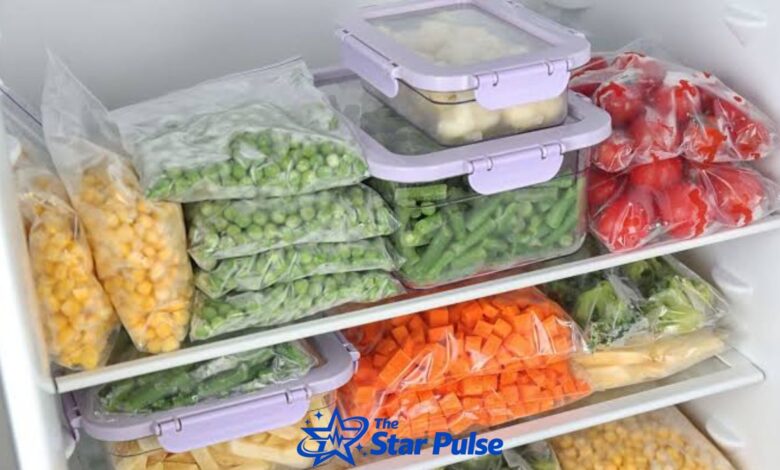
Freezing is an effective food preservation method because it slows microbial growth and helps maintain food quality. Freeze meat, bread, cooked dishes, and suitable produce in portions that match your household’s needs. Use freezer-safe bags or containers, remove excess air where practical, and label each package with the contents and date. Dividing large batches into smaller portions makes thawing easier and reduces unnecessary waste. Many vegetables benefit from blanching before freezing because brief heating helps preserve their color, texture, and quality. Freeze foods while they are still fresh rather than waiting until they are nearly spoiled. Food kept continuously at 0°F (-18°C) remains safe indefinitely from a microbial perspective, although taste and texture may decline over time. For best quality, follow reliable freezer-storage guidelines for individual foods.
Organize Your Pantry for Better Food Storage
A well-organized pantry makes food storage easier and helps prevent forgotten ingredients from expiring. Store dry foods in a cool, dry location away from direct sunlight, ovens, and other heat sources. Transfer opened packages of flour, rice, pasta, cereal, and dried beans into clean, airtight containers when appropriate. Keep canned goods in a dry cupboard and avoid using cans that are bulging, leaking, or badly damaged. Arrange products so older items are used first, following the first-in, first-out method. This simple approach reduces waste and makes grocery planning more efficient.
Understand Long-Term Food Storage
Long-term food storage is useful for emergency preparedness, bulk shopping, and reducing grocery trips. White rice, dried beans, pasta, oats, and other low-moisture foods can last for extended periods when protected from heat, humidity, insects, and rodents. Store these foods in food-grade, tightly sealed containers and follow manufacturer recommendations. For emergency supplies, choose foods your household regularly eats and rotate them before their quality declines. Remember that shelf life varies according to packaging, processing, and storage conditions. Never assume that a food is safe simply because it looks or smells normal.
Store Leftovers and Prepared Meals Safely
Proper storage of cooked food prevents unnecessary waste and lowers the risk of foodborne illness. Divide large portions into shallow containers and refrigerate them promptly instead of leaving a full pot on the counter to cool for hours. Label leftovers with preparation dates and use refrigerated cooked meals within three to four days. When reheating leftovers, heat them to an internal temperature of 165°F (74°C). If you cannot eat a dish within the recommended period, freeze it promptly. Discard perishable food that has remained at unsafe temperatures for too long.
Avoid Common Food Storage Mistakes
Common food storage mistakes include leaving refrigerator doors open, storing wet produce in sealed bags, placing raw meat above prepared food, and ignoring expiration or use-by instructions. Another mistake is assuming that freezing repairs food that has already spoiled; freezing does not reliably destroy all harmful microorganisms or toxins. Avoid tasting suspicious food to determine whether it is safe. Clean refrigerator shelves regularly, remove spoiled items, and inspect pantry packages for insects or moisture damage. Good hygiene, appropriate temperatures, and careful organization are more effective than relying on appearance alone.
Reduce Food Waste With Better Planning
Food storage works best when combined with thoughtful grocery shopping. Plan meals before visiting the supermarket, check your refrigerator and pantry, and purchase quantities that your household can realistically use. Keep frequently used ingredients visible and place newer purchases behind older ones. Freeze extra bread, ripe bananas for later cooking, or leftover portions before their quality declines. Create a weekly inventory to identify foods that need to be consumed soon. These habits can lower grocery expenses, reduce household waste, and make meal preparation more predictable without requiring expensive storage equipment.
Maintain Food Safety During Power Outages
A power outage can interrupt safe refrigerator and freezer storage. Keep refrigerator and freezer doors closed as much as possible to preserve cold temperatures. A refrigerator generally keeps food cold for about four hours if unopened, while a full freezer can maintain its temperature for approximately 48 hours and a half-full freezer for about 24 hours. These estimates assume the doors remain closed and conditions are typical. Use an appliance thermometer to assess temperatures when power returns. Perishable refrigerated food that has been above 40°F (4°C) for more than two hours should generally be discarded. Never taste food to judge its safety.
Create a Simple Food Storage Routine
A consistent food storage routine makes your kitchen safer and more efficient. After shopping, refrigerate or freeze perishable products promptly, transfer suitable dry ingredients into clean containers, and check the dates on older packages. Once a week, inspect your pantry, organize refrigerator shelves, and plan meals around ingredients that should be used soon. Keep a marker and labels nearby to record preparation dates on leftovers and freezer packages. You do not need a complicated system: a thermometer, suitable containers, clear labels, and regular cleaning can significantly improve food storage at home.
Final Thoughts
Effective food storage is about more than keeping groceries organized. It helps preserve flavor, maintain quality, reduce food waste, and protect your household from avoidable food safety risks. By controlling temperatures, choosing suitable containers, storing produce correctly, freezing extra portions, and organizing your pantry, you can keep many foods fresh for longer. Start with a few practical changes and build a routine that fits your kitchen, shopping habits, and household needs.
FAQs
1. What is the best way to keep food fresh longer?
Store each food according to its requirements. Refrigerate perishable products promptly, keep dry goods in airtight containers, freeze suitable foods you will not use soon, and protect pantry ingredients from heat and moisture.
2. What temperature should a refrigerator be?
Keep your refrigerator at or below 40°F (4°C) and your freezer at 0°F (-18°C). An appliance thermometer helps verify temperatures and identify cooling problems before they compromise food safety.
3. Are airtight containers good for food storage?
Yes. Airtight containers help protect dry ingredients from moisture, pests, and air exposure. They are particularly useful for cereal, flour, pasta, and nuts. Choose food-safe containers designed for the intended temperature and use.
4. How long can leftovers stay in the refrigerator?
Most cooked leftovers can be refrigerated for three to four days at 40°F (4°C) or below. Store them in shallow containers within two hours of cooking, and freeze portions you cannot consume in time.
5. Which foods are suitable for long-term storage?
White rice, dried beans, pasta, oats, and many commercially packaged canned foods can be useful pantry staples. Their shelf life depends on packaging and storage conditions, so follow product labels and keep supplies cool, dry, and protected from pests.