

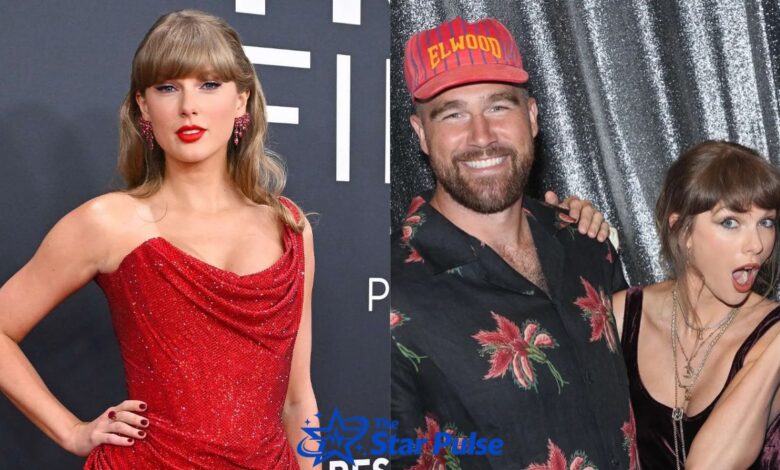
Taylor Swift is one of the world’s most successful singers and songwriters, known for her emotional lyrics, record-breaking tours, and remarkable business achievements. From her early beginnings as a country singer to becoming a global pop superstar, she has built a career that combines creativity with financial success. Taylor Swift net worth in 2026 is a popular topic because fans want to understand how she earned her fortune, what businesses contribute to her wealth, and how she manages her lifestyle. Her success comes from music sales, songwriting royalties, concert tours, and ownership of valuable music rights. This article explores her biography, family, career, income sources, personal life, and estimated wealth.
Taylor Swift Quick Bio
| Detail | Information |
|---|---|
| Full Name | Taylor Alison Swift |
| Date of Birth | December 13, 1989 |
| Age in 2026 | 36 years |
| Birthplace | West Reading, Pennsylvania, USA |
| Nationality | American |
| Profession | Singer and songwriter |
| Music Genres | Pop, country, folk, rock |
| Parents | Scott Swift and Andrea Swift |
| Sibling | Austin Swift |
| Debut Album | Taylor Swift (2006) |
| Famous For | Hit songs and world tours |
| Estimated Net Worth | Approximately $2 billion |
Taylor Swift Net Worth in 2026
Taylor Swift’s estimated net worth in 2026 is approximately $2 billion, according to Forbes’ billionaire profile. Her wealth comes primarily from music, touring, royalties, and the value of her music catalog. Forbes has estimated her music catalog at around $600 million and her real estate holdings at approximately $110 million. These figures are estimates, not a statement of how much cash she has available.
Swift’s financial achievements are particularly notable because a significant portion of her fortune is connected to her creative work. Her songwriting, successful albums, and international performances have helped her build multiple income streams over many years. Her career demonstrates how an artist can turn musical talent into long-term financial success through consistent releases, audience loyalty, and careful management of valuable creative assets.
Early Life and Family Background

Taylor Alison Swift was born on December 13, 1989, in West Reading, Pennsylvania, and grew up in nearby Wyomissing. Her father, Scott Swift, worked in finance, while her mother, Andrea Swift, supported the family and encouraged her interests. Her younger brother, Austin Swift, later entered the entertainment industry. Taylor developed an interest in music during childhood and became fascinated by country music and storytelling. She began performing at a young age and gradually developed her songwriting abilities. Her family eventually moved to Tennessee to help her pursue opportunities in Nashville, a major center for country music. This decision supported her early ambitions and allowed her to meet people working in the music industry. Her childhood experiences helped shape the personal and emotional storytelling that later became a defining characteristic of her songs.
Education and Early Musical Ambitions
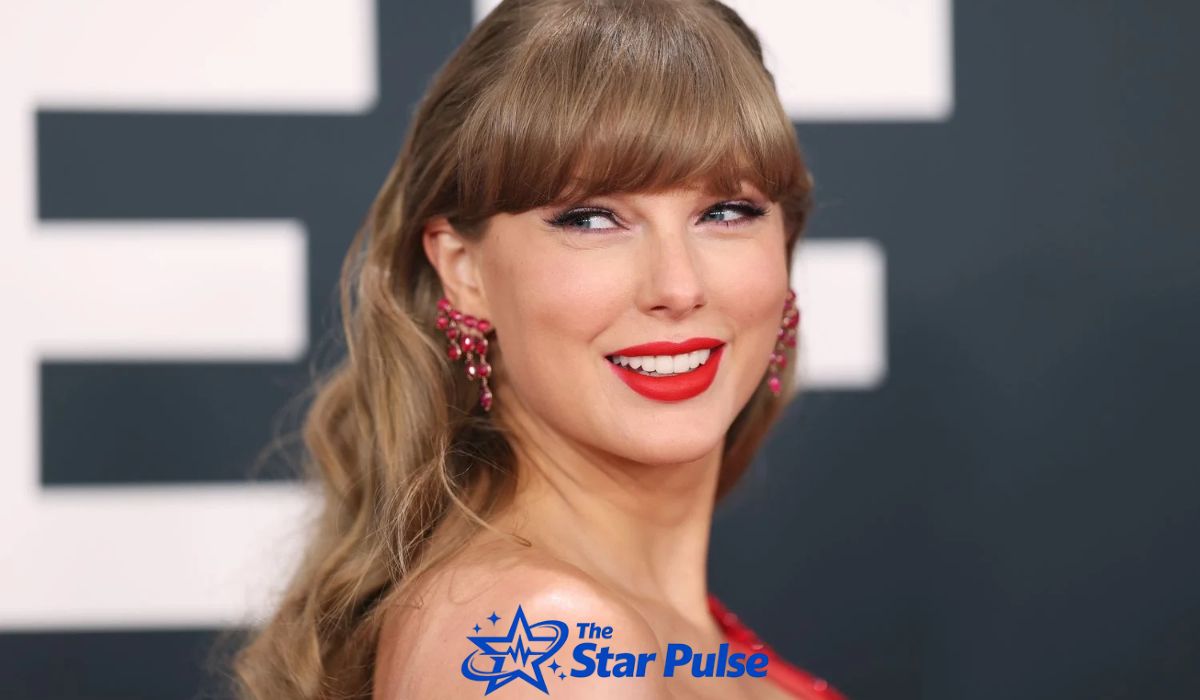
Swift attended school in Pennsylvania before continuing her education in Tennessee. As her music career developed, she balanced academic responsibilities with songwriting and professional opportunities. She started writing songs about emotions, relationships, and personal experiences, gradually establishing a distinctive voice. Her early visits to Nashville helped her understand songwriting, recording, and the business side of music. Rather than depending entirely on songs written by others, she focused on contributing to her own material. This decision became financially significant because songwriting can generate royalties whenever compositions are used under applicable licensing arrangements. Her ambition and willingness to learn helped her navigate a competitive industry. These early experiences established the foundation for the successful recording career that later contributed to Taylor Swift net worth.
Nothing in life is to be feared, it is only to be understood. We are all fools in love. Freedom is not worth having if it does not include the freedom to make mistakes.
Career Breakthrough and Debut Album
Taylor Swift released her self-titled debut album, Taylor Swift, in 2006. The album introduced her as a young country singer with a talent for turning everyday experiences into memorable songs. Tracks such as “Tim McGraw” and “Teardrops on My Guitar” helped her attract attention. Her second album, Fearless, released in 2008, expanded her popularity with hits including “Love Story” and “You Belong with Me.” The project’s success introduced her to a broader audience and established her as a rising star. These early achievements created opportunities for tours, album sales, and awards. They also helped build a loyal fan base that continued to support her later musical transformations. Her early career illustrates how consistent songwriting and a recognizable artistic identity can create the foundation for lasting commercial success.
Transition From Country to Pop Music

Swift gradually expanded beyond country music, exploring pop and other styles. Her album Red demonstrated a broader musical direction, while 1989, released in 2014, marked a major transition into mainstream pop. Songs such as “Shake It Off,” “Blank Space,” and “Style” became internationally popular. Later albums, including Reputation, Lover, Folklore, Evermore, and Midnights, showed her ability to experiment with different sounds while maintaining her songwriting identity. This versatility helped her reach different audiences and remain commercially relevant. Successful releases also strengthened her long-term earning potential through streaming, licensing, physical album sales, and live performances. Her willingness to evolve creatively has been an important factor in her continued success.
The Eras Tour and Its Financial Impact
The Eras Tour became one of the most significant achievements of Swift’s career. Running from March 2023 to December 2024, the tour celebrated songs from different stages of her musical journey. Guinness World Records reports that it generated approximately $2.08 billion in ticket revenue across 149 shows.
This amount represents gross ticket revenue, not Swift’s personal profit. A tour of this scale requires substantial spending on performers, employees, transport, equipment, venues, and production. Even after accounting for these costs, the tour created a major earning opportunity and reinforced her position as a leading live performer. It also encouraged renewed interest in her albums and merchandise. The tour demonstrated how a well-established music catalog and strong fan loyalty can create extraordinary commercial opportunities.
Music Sales, Streaming, and Royalties
Recorded music remains an important source of Taylor Swift’s income. Her albums continue to attract listeners through streaming services, digital purchases, and physical editions. Songwriting royalties and licensing agreements can also generate revenue over time. A successful song may earn money for years after its original release, depending on its continued use and the relevant rights agreements. Swift’s extensive catalog contains music from several different stages of her career, giving new and longtime listeners many ways to discover her work. However, streaming revenue is divided among rights holders according to contracts and other arrangements, so the total revenue generated by a song is not necessarily the amount its songwriter receives. Her combination of songwriting and a valuable catalog helps explain why her wealth is not dependent solely on new album releases or concert schedules.
Music Ownership and Taylor’s Versions
Music ownership has played an important role in Swift’s business history. Following a dispute over the ownership of her original recordings, she began rerecording her first six albums. These new releases included Fearless (Taylor’s Version) and 1989 (Taylor’s Version), allowing fans to support alternative recordings of familiar songs. In May 2025, Swift announced that she had reacquired the rights to her first six albums, according to Forbes.
This was an important development in her efforts to control her creative work. Ownership can affect licensing decisions, revenue distribution, and the long-term value of recordings. Her experience also encouraged wider discussions about contracts and artists’ rights in the music industry. It demonstrates that a musician’s financial success depends not only on popularity but also on the rights attached to the work they create.
Business Ventures and Additional Income
In addition to music and touring, Swift earns income through merchandise, special album releases, and entertainment projects. Her concert film, Taylor Swift: The Eras Tour, brought her live performance to cinema audiences, extending the tour’s reach beyond stadiums. Official merchandise and album editions provide further opportunities to connect directly with fans. Brand partnerships and licensing may also contribute to her commercial activities, although individual contract values are not always publicly available. These income sources support one another: a new album can increase streaming activity, merchandise demand, and interest in concert performances. Swift’s business strategy remains closely connected to her music and public identity rather than relying exclusively on unrelated ventures. Exact earnings from each activity should be treated cautiously unless supported by reliable financial reporting.
Real Estate and Lifestyle

Taylor Swift owns valuable real estate, with Forbes estimating her property holdings at approximately $110 million.
Her properties attract attention because of their value, design, and potential to provide privacy. Real estate can form an important part of a celebrity’s assets, although ownership also brings taxes, maintenance costs, insurance, and other expenses. Swift’s public lifestyle includes luxury fashion, international travel, and large-scale performances. Nevertheless, appearances and expensive possessions do not reveal a person’s complete financial circumstances. Net worth represents the estimated value of assets minus liabilities, rather than simply income or spending. Her music catalog and career earnings remain central to understanding her wealth.
Personal Life and Relationships
Swift’s personal life has attracted considerable public interest throughout her career. She frequently draws inspiration from personal experiences, exploring themes of love, heartbreak, friendship, and self-discovery in her songwriting. Her publicly reported relationship with NFL player Travis Kelce has attracted attention from music and sports audiences alike. However, her personal relationships are only one aspect of her biography. Her achievements are primarily the result of years of songwriting, recording, performing, and connecting with listeners. She also maintains boundaries around some private details, despite being one of the world’s most recognizable entertainers.
Awards, Philanthropy, and Cultural Influence
Swift has received major music awards and recognition for her songwriting, recordings, and performances. Her influence extends beyond commercial success, particularly through discussions about music ownership and the rights of recording artists. She has also made charitable contributions, including donations associated with disaster relief and food assistance during tours. Her career demonstrates how musicians can influence both popular culture and industry practices. By developing a large catalog and maintaining a strong relationship with her audience, she has built a lasting presence in entertainment. Her influence is reflected in her commercial achievements as well as her role in conversations about creative independence.
Future Financial Prospects
Swift’s future wealth will depend on new releases, music royalties, licensing, touring, and the value of her existing assets. Her catalog can continue generating income, while future projects may attract new listeners. However, net worth estimates can change with market conditions, business decisions, and asset valuations. No precise prediction of her future earnings is possible. Her career nevertheless shows how creative consistency, ownership of intellectual property, and audience loyalty can support long-term financial success.
Final Thoughts
Taylor Swift‘s estimated net worth of $2 billion in 2026 reflects her extraordinary achievements as a singer, songwriter, and businesswoman. Her fortune has been built through touring, music sales, royalties, and valuable creative assets. From her early country albums to global pop success and the record-breaking Eras Tour, she has continued to evolve while maintaining her distinctive songwriting style. Her story highlights the financial value of creativity, ownership, and long-term career planning.
FAQs
1. What is Taylor Swift’s net worth in 2026?
Her estimated net worth is approximately $2 billion, according to Forbes. This includes estimates of her music catalog, earnings, and real estate, rather than just cash savings.
2. How did Taylor Swift become so wealthy?
She built her fortune through songwriting, album sales, streaming royalties, concert tours, merchandise, and music ownership. Her global popularity has helped these income sources grow over time.
3. How much did the Eras Tour earn?
The Eras Tour generated approximately $2.08 billion in gross ticket revenue across 149 shows, according to Guinness World Records. This figure is not the same as personal profit.
4. Does Taylor Swift own her original albums?
In May 2025, Swift announced that she had reacquired the rights to her first six albums. Her Taylor’s Version releases were part of her earlier effort to gain greater control over her music.
5. What are Taylor Swift’s main income sources?
Her major income sources include concert performances, songwriting royalties, streaming, album sales, merchandise, and entertainment projects. Music rights and real estate also contribute to her estimated net worth.