

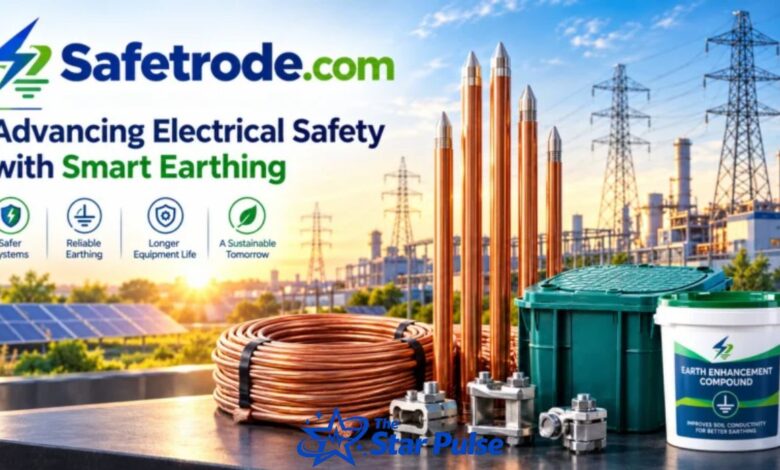
Safetrode.com is associated with earthing and grounding products used in electrical safety installations. These products include chemical earthing electrodes, copper-bonded rods, earth pit covers, and conductive backfill compounds. Such components are used in residential, commercial, industrial, and infrastructure projects to help manage electrical faults and support reliable grounding systems.
Understanding Safetrode.com requires looking beyond individual products to the role of electrical earthing. A properly designed grounding system provides an appropriate path for fault current and helps protective devices operate as intended. Soil conditions, material quality, installation methods, and regular testing all influence performance. This guide explains the main grounding products, their applications, purchasing considerations, and the importance of professional installation.
What Is Safetrode.com?
Safetrode.com presents products associated with electrical earthing and lightning protection. Its product categories are relevant to electrical contractors, construction companies, industrial facilities, and engineers responsible for grounding installations.
The website’s subject matter focuses on components that help establish electrical connections with the earth. These products serve different purposes, so buyers should understand their specifications before selecting equipment. Checking product dimensions, materials, installation requirements, warranties, and technical documentation can help determine whether a particular component suits a project. Buyers should verify current availability and performance claims directly with the supplier.
Understanding Earthing Electrodes
An earthing electrode is a conductive component installed in the ground to connect an electrical installation to the earth. Common designs include rods, plates, and pipes. The electrode works alongside grounding conductors, bonding connections, and protective devices to form a complete earthing system.
The effectiveness of an electrode depends on soil resistivity, installation depth, electrode dimensions, and surrounding environmental conditions. Selecting a product solely because it advertises low resistance may not deliver the desired results. A qualified electrical professional should evaluate site conditions and ensure the system meets applicable electrical standards.
Chemical Earthing Electrodes
Chemical earthing electrodes are designed to provide a reliable connection between an electrical installation and the surrounding soil. Depending on their construction, they may incorporate conductive materials or moisture-retaining compounds to support electrical contact with the ground.
These electrodes can be useful where soil conditions make it difficult to achieve the required grounding performance using conventional methods. However, their suitability depends on soil chemistry, moisture levels, product design, and installation quality. Buyers researching Safetrode.com should request technical specifications and installation instructions before purchasing. Periodic resistance testing remains important for confirming that the installation continues to perform as required.4. Copper-Bonded Earthing Rods
Copper-bonded earthing rods generally combine a steel core with an outer copper layer. The steel provides mechanical strength, while the copper surface supports electrical conductivity and corrosion resistance.
These rods are commonly used in commercial buildings, industrial facilities, and infrastructure projects. Their performance depends on rod dimensions, copper coating quality, soil composition, and installation practices. Buyers should verify material specifications and compatibility with grounding conductors and connectors. Proper installation helps prevent damage to the copper coating and supports long-term durability.
Earth Energizer and Backfill Compounds
Soil varies significantly in its ability to conduct electricity. Dry, sandy, or rocky ground may present challenges when designing a grounding system. Conductive backfill compounds are placed around electrodes to improve contact with the surrounding soil and, depending on their composition, help maintain suitable moisture conditions.
When considering earth energizer products associated with Safetrode.com, buyers should review the manufacturer’s technical data sheet, application instructions, and environmental information. Not every compound performs identically, and no backfill material eliminates the need for proper engineering. The completed installation should always be tested to confirm that it meets the required specifications.
Heavy-Duty Earth Pit Covers
Earth pit covers protect access points associated with earthing electrodes and inspection chambers. They help prevent debris, accidental damage, and unwanted interference while allowing technicians to inspect connections and perform electrical measurements.
The appropriate cover depends on its material, dimensions, environmental exposure, and expected loading. For example, an inspection point in a pedestrian area may require different load-bearing characteristics from one installed in a driveway. Buyers should verify load ratings and frame compatibility rather than relying on general descriptions such as heavy-duty. Accessible inspection points also make future maintenance easier.
Earthing and Lightning Protection
Electrical earthing and lightning protection address related but distinct safety concerns. Earthing helps manage electrical faults, while lightning protection systems are designed to provide a controlled path for lightning current. Both require appropriate conductors, connections, and coordination with other protective equipment.
An earthing electrode alone does not provide complete lightning protection. The system may also require air terminals, down conductors, bonding, and surge protective devices, depending on the installation. Engineers should assess the building, electrical equipment, exposure, and applicable standards before designing a complete protection system.
Industries That Use Grounding Systems
Grounding systems are important in many industries because electrical faults can threaten workers, damage equipment, and interrupt operations. Power stations and substations require carefully designed earthing networks, while factories need grounding arrangements appropriate for their machinery and electrical distribution systems.
Telecommunications towers, data centres, solar installations, and commercial buildings also require suitable grounding and bonding. Each application presents different technical requirements. For example, solar installations may need coordinated protection for electrical equipment and exposed structures. The correct Safetrode.com product, or any alternative product, should be selected according to the project’s engineering requirements rather than the industry name alone.
Choosing the Right Earthing Products
Choosing grounding equipment starts with assessing the installation site. Soil resistivity, available space, electrical fault characteristics, corrosion exposure, and maintenance requirements all influence product selection.
Copper-bonded rods may suit certain installations, while chemical electrodes or conductive backfill compounds may be more appropriate in other conditions. Buyers should compare dimensions, material quality, compatibility, installation procedures, and documented test results. Price is important, but selecting the cheapest product without checking its suitability can create additional maintenance costs and safety risks.
Installation, Testing, and Maintenance
Earthing systems should be installed by qualified professionals following the approved design and applicable regulations. Installation generally involves placing electrodes, connecting grounding conductors, protecting connections, and providing access for inspection.
Testing after installation helps establish whether the system meets its specified performance criteria. Periodic inspections can identify corrosion, loose connections, or physical damage. Additional testing may be necessary after electrical faults, construction work, or modifications that could affect the grounding arrangement. Good maintenance helps identify problems before they compromise system performance.
What Buyers Should Verify Before Purchasing
Before purchasing products from Safetrode.com, request current technical specifications, installation instructions, material details, relevant test reports, warranty conditions, and applicable certification documents. Confirm that the documentation applies to the exact model being considered.
It is also helpful to verify availability, delivery schedules, quantities, replacement options, and technical support. Product descriptions explain intended uses but do not independently establish every performance claim. Checking documentation directly with the supplier helps buyers make informed decisions and reduces the risk of choosing unsuitable equipment.
Benefits and Limitations of Safetrode.com
Safetrode.com’s described product categories cover several components used in earthing installations, including electrodes, copper-bonded rods, backfill compounds, and earth pit covers. Access to related products can help contractors compare equipment for different parts of a grounding project.
However, buyers should independently verify technical claims, pricing, certifications, and warranty conditions. No single electrode is ideal for every soil condition, and a product’s advertised features cannot replace professional engineering. The value of any supplier ultimately depends on product suitability, documented quality, reliable support, and the ability to meet the requirements of the installation.
The Future of Electrical Grounding Technology
As electrical infrastructure expands, reliable grounding remains essential for industrial automation, telecommunications, renewable energy, and modern buildings. Durable materials, better inspection practices, and systematic testing can help improve long-term reliability.
For people researching Safetrode.com, the most useful approach is to focus on measurable performance and verified specifications. Material quality, corrosion resistance, suitable installation, and routine testing remain important regardless of how grounding technology develops. These principles help ensure that electrical protection systems remain appropriate for their intended operating conditions.
Final Thoughts
Safetrode.com focuses on earthing and grounding products associated with electrical safety, including chemical electrodes, copper-bonded rods, backfill compounds, and earth pit covers. Each component has a specific function within a complete grounding installation.
Before choosing a product, buyers should verify specifications, assess soil conditions, and consult qualified electrical professionals. Proper installation, testing, and maintenance are essential for reliable performance. By prioritizing technical evidence and project requirements over marketing claims, buyers can make better-informed decisions about electrical grounding systems.
FAQs
1. What is Safetrode.com?
Safetrode.com is associated with earthing and grounding products, including electrodes, copper-bonded rods, earth pit covers, and backfill compounds. Buyers should confirm current product details directly with the supplier.
2. What is a chemical earthing electrode?
A chemical earthing electrode establishes a conductive connection with the surrounding soil. Depending on its design and materials, it may help achieve suitable grounding performance under challenging soil conditions. Testing is still necessary.
3. Why are copper-bonded rods used?
Copper-bonded rods combine a steel core with a copper exterior. They provide mechanical strength and electrical conductivity and can offer corrosion resistance when properly manufactured and installed.
4. What is an earthing backfill compound?
An earthing backfill compound is placed around an electrode to improve contact with the surrounding soil. Its effectiveness depends on its composition, installation method, and local ground conditions.
5. How do you select an earthing system?
Selection depends on soil resistivity, electrical requirements, corrosion risks, available space, and applicable standards. A qualified electrical professional should evaluate the site and verify product specifications before installation.