
Fashion does not always require expensive shopping or buying brand-new clothes. Sometimes, old garments can become stylish outfits with a little creativity and simple alterations. This is the idea behind Thriftflip, a fashion trend that focuses on transforming secondhand, outdated, or unwanted clothing into something fresh and fashionable. From turning oversized shirts into trendy tops to redesigning old jeans into modern denim shorts, thrift flipping offers countless opportunities to create unique outfits. It combines DIY fashion, sustainable clothing, and personal creativity while helping people save money. The growing popularity of secondhand shopping and clothing upcycling has encouraged more people to experiment with their wardrobes. Whether someone enjoys sewing or prefers simple no-sew projects, thrift flipping provides practical ways to refresh everyday fashion without spending too much.
What Is Thriftflip and Why Is It Popular?
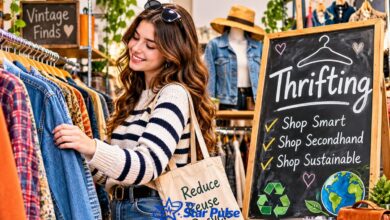
Thriftflip is the process of changing secondhand or old clothing into redesigned fashion pieces. Instead of throwing away garments that no longer match current trends, people use sewing, cutting, embroidery, dyeing, and decoration to give them another purpose. For example, an oversized shirt can become a cropped top, while an old dress can be shortened into a fashionable summer outfit. Thrift flipping has become popular because it offers affordable alternatives to expensive fashion products. Social media platforms have also introduced the trend to wider audiences through clothing transformations and DIY tutorials. Another reason is the growing interest in slow fashion, which encourages people to purchase thoughtfully, repair clothing, and reduce unnecessary waste. Each thrift flip can also be personalized, allowing people to develop a wardrobe that reflects their individual taste.
Transform Oversized Shirts Into Trendy Tops
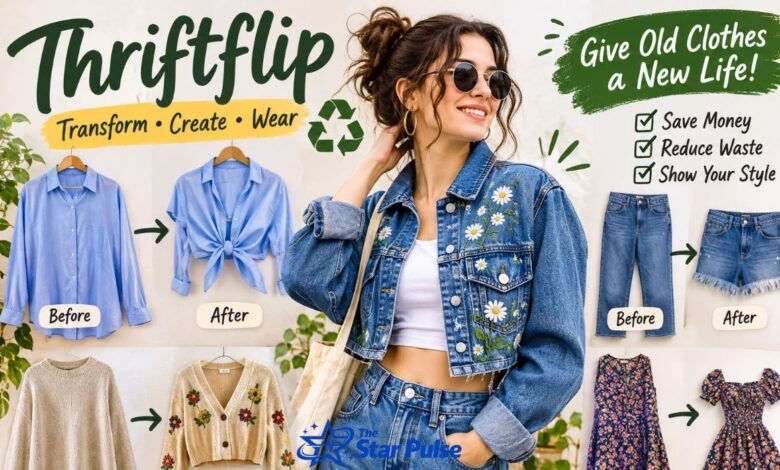
Oversized shirts are among the easiest garments for beginner-friendly thrift flip projects. Many secondhand stores offer large cotton shirts and button-down blouses that can be transformed into fashionable tops. One simple idea is shortening the shirt and creating a clean hem for a cropped appearance. Another option is adding a waist tie to make the garment look more fitted. People can also replace ordinary buttons with decorative alternatives or add embroidery around the collar. For a more creative design, an oversized shirt can become an off-shoulder top or a lightweight summer blouse. Cotton shirts are particularly suitable because they are generally easier to cut and sew. Before making permanent changes, try the garment on and measure the desired length carefully to avoid unnecessary mistakes.
Turn Old Jeans Into Stylish Denim Shorts
Old jeans are excellent materials for creative clothing transformations. People often stop wearing denim because its length, fit, or appearance no longer matches their preferences. Instead of discarding it, thriftflippers can turn unwanted jeans into stylish shorts. Start by trying them on and deciding how much fabric should remain. Mark the cutting area with fabric chalk and check both legs before using sharp scissors. A raw hem creates a relaxed appearance, while a folded and stitched hem provides a cleaner finish. Decorative patches, embroidery, and fabric paint can make the shorts more distinctive. Another idea is adding small side slits for a modern design. Denim is generally durable, making it suitable for several DIY fashion transformations.
Give Old Dresses a Completely New Look
An outdated dress can become an attractive wardrobe addition after a few thoughtful alterations. Many secondhand dresses contain beautiful prints, interesting textures, and useful fabric that should not go to waste. A long dress can be shortened into a midi or knee-length design, while a loose waist can be adjusted to create a more fitted appearance. Adding a belt, changing the sleeves, or decorating the neckline can also improve its overall style. Some experienced creators combine two dresses with complementary colors to develop a completely different outfit. Before beginning, inspect the lining, zipper, seams, and fabric condition. A successful dress thrift flip should improve comfort and appearance while preserving the garment’s useful features.
Create Unique Outfits With Fabric Patches
Fabric patches provide an affordable way to refresh ordinary clothing and cover small damaged areas. They work particularly well on jackets, jeans, shirts, and denim skirts. Thriftflippers can choose embroidered designs, colorful fabric pieces, or leftover material from other projects. Patches can be attached through hand stitching, machine sewing, or suitable fabric adhesives. One interesting technique is visible mending, where repairs become part of the garment’s decoration instead of being hidden. For example, colorful stitching around a small hole can create an attractive artistic detail. Another idea is placing several patches across a denim jacket to create a personalized design. Choosing compatible fabrics and secure stitching helps make the finished garment more durable.
Redesign Old Sweaters Into Modern Fashion Pieces
Old sweaters often contain comfortable materials and interesting textures, but their oversized shapes or outdated designs may prevent people from wearing them. Thrift flipping offers several ways to refresh these garments. A long sweater can be shortened into a cropped design that pairs well with high-waisted jeans or skirts. A plain sweater can also become a cardigan by carefully opening the front and finishing the edges with suitable stitching. Decorative buttons, embroidered flowers, and contrasting fabric panels can make an ordinary sweater look more fashionable. However, knitted fabrics can stretch or unravel when cut, so beginners should practise on unwanted material first. Choosing a sweater with minimal damage and good fabric quality makes the transformation easier.
Transform Plain Jackets Into Statement Pieces
A plain secondhand jacket can become one of the most recognizable pieces in a personalized wardrobe. Denim jackets, lightweight coats, and oversized blazers offer plenty of opportunities for creative redesign. One popular method is using fabric paint to create patterns or illustrations on the back. Embroidery can introduce colorful details around pockets, collars, and sleeves. Another option is replacing ordinary buttons or attaching decorative fabric panels. People who prefer minimal fashion can simply adjust the jacket’s length or sleeves. Before using paint or glue, test the product on a hidden section to check how it reacts with the material. Avoid heavy decorations that interfere with comfort or movement.
Use Fabric Dye to Refresh Faded Clothing
Fabric dyeing is an interesting way to change the appearance of clothing without complicated sewing alterations. A faded cotton shirt, plain skirt, or light-colored dress can receive a completely different look through textile dye. People can experiment with solid colors, tie-dye patterns, and gradient effects. Before starting, check the garment’s fiber composition because different materials react differently to dye. Cotton generally works well with many commonly available fabric dyes, while synthetic materials may require specially formulated products. Wash the garment beforehand to remove dirt and substances that could affect the final color. Always follow the dye manufacturer’s instructions and protect your hands and nearby surfaces during the process.
Convert Old T-Shirts Into Fashionable Everyday Outfits
Old T-shirts are affordable and easy to experiment with, making them ideal for beginners. A large graphic T-shirt can become a cropped top, fitted casual shirt, or relaxed summer garment. Another idea is removing the sleeves to create a sleeveless design. People can also add fabric panels, decorative knots, or contrasting colors to create a personalized appearance. For a no-sew project, an unwanted T-shirt can become a reusable shopping bag by cutting the sleeves and neckline and securing the bottom appropriately. Thick cotton T-shirts are often easier to transform than thin or heavily stretched materials. With a few simple changes, an ordinary shirt can become a completely different fashion item.
Combine Different Clothing Pieces for Personalized Designs
Combining different garments is a more advanced thrift flip technique that allows people to create designs unavailable in ordinary stores. For example, two shirts with complementary colors can become a single patchwork top. A denim jacket can receive fabric panels from an old dress, while leftover trouser material can become decorative details on a skirt. The key is choosing fabrics with compatible weights and textures. Before cutting anything, place the garments together and plan the final design. Take measurements and identify which sections can be reused. This technique may require a sewing machine and some experience with garment construction. Beginners can start with small combinations, such as adding a contrasting pocket or sleeve panel.
Essential Tools for Successful Thriftflip Projects
A successful thrift flip does not require an expensive fashion studio, but having a few basic tools makes the process easier. Measuring tape, fabric scissors, sewing needles, thread, pins, and fabric chalk are useful for common alterations. A sewing machine helps with longer seams and thicker materials, although simple transformations can also be completed by hand. An iron is helpful for creating clean hems and professional-looking finishes. Beginners may also benefit from washable fabric markers, seam rippers, embroidery needles, and suitable fabric adhesives. Choosing tools according to the project is more practical than purchasing everything immediately. It is equally important to work in a clean, well-lit area and practise unfamiliar techniques on leftover fabric before changing an important garment.
How to Choose the Best Clothes for Thrift Flipping
Choosing the right garment is one of the most important steps in any thrift flip project. A low price does not automatically make an item a good purchase. Examine the fabric, stitching, condition, and possibilities for redesign. Cotton shirts, denim jeans, sturdy jackets, and simple dresses are often suitable for beginners. Check zippers, buttons, pockets, and seams before purchasing anything. Small imperfections may be repairable, but extensive mold damage, severe fabric weakness, or complicated structural damage can make a garment unsuitable. It is also useful to consider the amount of fabric available. Oversized garments often provide more flexibility because extra material can be removed or reused. Before buying something, imagine an outfit you would genuinely enjoy wearing.
How Thriftflip Supports Sustainable and Affordable Fashion
Thrift flipping provides an opportunity to approach fashion more responsibly by keeping existing garments in use for longer. Producing new clothing requires resources for fibers, fabric processing, dyeing, transportation, and packaging. Reusing existing garments can reduce demand for some new production, especially when redesigned clothing replaces a planned purchase. The growing interest in secondhand shopping, clothing repairs, and upcycling reflects a wider movement toward sustainable fashion. However, sustainability is not simply about purchasing more thrift store items. Buying unnecessary secondhand clothing can create another form of overconsumption. A better approach is selecting garments carefully, redesigning pieces that will genuinely be worn, and using leftover fabric creatively. Thrift flipping combines personal style with more thoughtful consumption habits while giving older clothing another opportunity to remain useful.
Final Thoughts
Thriftflip is more than a creative clothing activity; it is a practical way to explore personal style, save money, and make better use of existing wardrobe pieces. From transforming oversized shirts and old jeans to redesigning dresses, sweaters, and jackets, there are countless opportunities to create fashionable outfits without purchasing new materials. Beginners can start with simple alterations, fabric patches, and decorative details before trying advanced sewing projects. The most important steps are choosing suitable clothing, planning each transformation, and creating garments that match personal preferences. With patience, imagination, and a few basic tools, almost anyone can experiment with DIY fashion and develop a more creative, affordable, and sustainable wardrobe.
FAQs
1. What does Thriftflip mean?
Thriftflip means transforming secondhand, outdated, or unwanted clothing into something new and fashionable. It usually involves cutting, sewing, dyeing, embroidery, decorating, and adjusting garment shapes. The goal is to create personalized outfits while making better use of existing materials.
2. Is thrift flipping suitable for beginners?
Yes, beginners can start with simple projects such as shortening jeans, cropping oversized shirts, attaching fabric patches, and decorating plain jackets. These activities require only basic tools and simple techniques. Practising on unwanted garments helps prevent mistakes.
3. What clothes are best for thrift flips?
Denim jeans, oversized cotton shirts, plain T-shirts, sweaters, jackets, and simple dresses are excellent choices. They offer different possibilities for alterations and decoration. Always check fabric quality, stitching, and overall condition before purchasing.
4. Do you need a sewing machine for Thriftflip projects?
No, a sewing machine is not necessary for every project. Some transformations can be completed through hand stitching, fabric dyeing, decorative patches, and creative styling. However, a sewing machine makes larger alterations and complicated garment reconstruction easier.
5. Is thrift flipping environmentally friendly?
Thrift flipping can support sustainable fashion by extending the useful life of existing clothing and reducing the need to purchase replacement garments. Its environmental benefits are greatest when people avoid unnecessary shopping, repair usable pieces, and create outfits they genuinely intend to wear.