

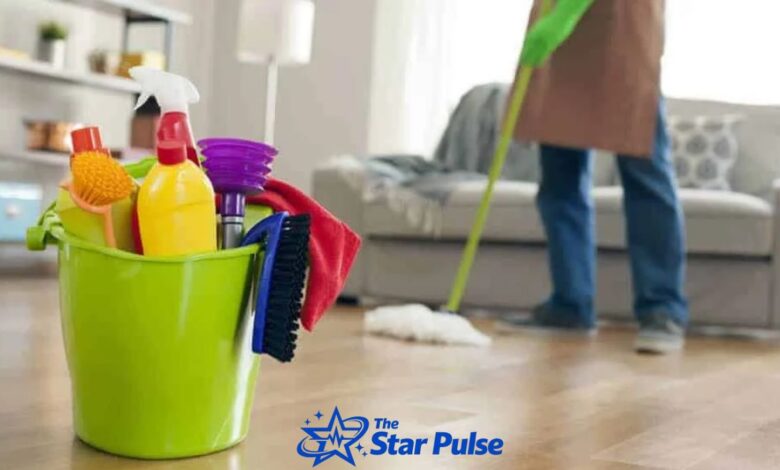
House Cleaning is an essential part of maintaining a comfortable, healthy, and organized living environment. A clean home looks attractive, feels more welcoming, and helps reduce the buildup of dust, food residue, pet hair, and everyday dirt. However, keeping every room spotless can feel overwhelming without a practical routine. The good news is that effective home cleaning does not always require expensive products, professional equipment, or hours of hard work. With the right cleaning supplies, proven techniques, and a consistent schedule, you can maintain a fresh home more efficiently. This comprehensive house cleaning guide explains how to clean every room, choose suitable products, organize daily and weekly tasks, and use simple cleaning hacks to save time. Whether you are a beginner or looking to improve your existing routine, these house cleaning tips will help you create a cleaner and more manageable living space.
Understand the Importance of House Cleaning
Regular house cleaning does more than improve the appearance of your home. Dust, crumbs, grease, and moisture can accumulate on surfaces, while neglected bathrooms and kitchens may develop unpleasant odors or mold. Cleaning frequently touched surfaces can also help reduce the spread of germs, particularly during cold and flu seasons. A tidy environment makes it easier to locate everyday belongings and can reduce the frustration associated with clutter. Establishing a routine prevents dirt from accumulating to the point where deep cleaning becomes difficult. It is important to remember that cleaning cannot eliminate every microorganism or prevent every illness, but appropriate cleaning and disinfection practices can support a healthier household. The most effective approach is to focus on areas according to their use, condition, and cleaning requirements rather than trying to clean everything equally every day.
Gather Essential Cleaning Supplies
Before starting, collect the house cleaning supplies you need to avoid unnecessary interruptions. Useful basics include microfiber cloths, a vacuum cleaner, a broom, a mop, a bucket, a scrub brush, sponges, rubber gloves, and suitable waste bags. You may also need an all-purpose cleaner, dishwashing liquid, bathroom cleaner, and a product specifically designed for glass or particular floor materials. Microfiber cloths are useful because they capture dust effectively and can often be washed and reused. Keep separate cloths for bathrooms, kitchens, and general surfaces to prevent cross-contamination. Always read product labels and test unfamiliar cleaners on an inconspicuous area before applying them widely. Never mix cleaning chemicals, especially bleach with ammonia or acidic products, because dangerous gases can form. Store supplies securely away from children and pets, and provide adequate ventilation whenever product instructions recommend it.
Create a Practical House Cleaning Schedule
A house cleaning schedule helps you divide chores into manageable tasks instead of spending an entire day cleaning. Daily activities can include washing dishes, wiping kitchen counters, making beds, and putting belongings away. Weekly tasks may involve vacuuming floors, cleaning bathrooms, changing bed sheets, and dusting furniture. Monthly cleaning can cover ceiling fans, window tracks, cabinet interiors, and neglected corners. Adjust the schedule to your household size, available time, and lifestyle. Homes with children, pets, or frequent visitors may require more frequent attention to certain areas. A realistic cleaning schedule is easier to maintain than an ambitious plan that quickly becomes exhausting.
Clean from Top to Bottom
One of the most useful professional house cleaning techniques is to work from the highest surfaces toward the floor. Start by removing cobwebs, dusting ceiling fans, and cleaning shelves before wiping tables and other lower surfaces. Finish by vacuuming or sweeping and then mopping, where appropriate. This order prevents dust from settling on areas you have already cleaned. Work systematically from one side of a room to the other, completing each section before moving forward. Keeping a consistent order reduces repeated effort and helps you notice overlooked spots. For better results, use a clean microfiber cloth and replace it when it becomes visibly dirty.
Follow a Room-by-Room Cleaning Checklist
A room-by-room cleaning checklist makes it easier to track progress and avoid missing important areas. In bedrooms, organize clothing, dust furniture, clean mirrors, and vacuum under accessible furniture. In living rooms, remove clutter, wipe frequently touched surfaces, and clean upholstery according to its care instructions. Kitchens require attention to countertops, sinks, appliance handles, and food preparation areas. Bathrooms need thorough cleaning of toilets, faucets, showers, and sinks. Hallways and entryways benefit from regular sweeping and the removal of outdoor dirt. Breaking the home into individual zones creates a clear starting point and makes large cleaning projects feel more achievable.
Keep the Kitchen Clean and Hygienic
The kitchen deserves frequent attention because food preparation can leave grease, crumbs, and moisture on different surfaces. Wash dishes promptly, wipe counters after preparing meals, and clean spills before they become difficult to remove. Use an appropriate cleaner for stovetops, cabinet surfaces, and appliance exteriors. Clean refrigerator shelves when necessary and discard expired food regularly. Wash cutting boards and utensils properly after handling raw meat, seafood, or eggs. Follow food safety guidance and sanitize food-contact surfaces when required by the product instructions. Avoid using the same cloth for raw-food preparation areas and unrelated household surfaces. Consistent kitchen cleaning helps control odors and supports safer food handling.
Make Bathroom Cleaning More Effective
Bathrooms require regular cleaning because moisture, soap residue, and mineral deposits can accumulate quickly. Apply a suitable bathroom cleaner to sinks, tubs, shower walls, and other compatible surfaces, following the recommended contact time. Clean the toilet with a dedicated brush and use separate cloths for surrounding areas. Remove excess water from shower walls after use to help limit residue and moisture buildup. Ventilation is especially important because persistent dampness encourages mold growth. If mold repeatedly returns or covers a large area, investigate the underlying moisture problem rather than relying only on surface cleaning. Never mix toilet cleaners with bleach or other cleaning chemicals.
Use Smart Cleaning Hacks to Save Time
Simple cleaning hacks can make everyday chores faster without compromising results. Keep a small cleaning caddy with frequently used supplies so everything is easy to carry between rooms. Clean small spills immediately rather than allowing them to dry and harden. Use washable microfiber cloths for dusting and reserve disposable products for situations where they are more appropriate. Set a short timer for tidying one area to prevent tasks from expanding unnecessarily. You can also combine similar chores, such as dusting several rooms before vacuuming them all. Avoid relying on viral cleaning tricks without checking surface compatibility, because acidic ingredients, abrasive powders, and unsuitable chemicals can damage finishes.
Choose Eco-Friendly House Cleaning Products
Eco-friendly house cleaning focuses on reducing unnecessary waste and selecting products appropriate for the task. Reusable cloths, refillable bottles, concentrated cleaners, and durable brushes can reduce disposable packaging. Some products carry environmental certifications that help shoppers compare their environmental attributes. However, natural ingredients are not automatically safer or more effective than conventional cleaners. Vinegar, for example, can damage natural stone such as marble, while certain essential oils may be harmful to pets. Choose products according to the surface, follow label directions, and avoid mixing ingredients. Using the recommended amount of cleaner also reduces waste and prevents unnecessary residue on household surfaces.
Know When Deep Cleaning Is Necessary
Deep house cleaning targets areas that routine chores may overlook. These include baseboards, window tracks, behind movable appliances, upholstery crevices, cabinet interiors, and areas beneath furniture. The frequency depends on household conditions, ventilation, pets, and how heavily each space is used. Start by removing loose dust and debris, then clean surfaces with suitable products. For carpets and upholstery, check manufacturer instructions before applying water or cleaning solutions. Do not move heavy appliances or furniture without considering the risk of injury or damage. A planned deep cleaning session every few months can help maintain areas that receive less attention during ordinary weekly cleaning.
Maintain Floors, Carpets, and Upholstery
Different flooring materials require different house cleaning methods. Vacuum carpets regularly, address spills promptly, and use appropriate stain treatments after testing them in a hidden area. Sweep or vacuum hard floors before mopping to prevent grit from scratching the surface. Hardwood, laminate, tile, and natural stone may have different moisture and product requirements, so consult manufacturer guidance. Excess water can damage certain flooring materials, particularly untreated wood and some laminate products. Upholstered furniture should also be cleaned according to its fabric care label. Using the correct attachment on a vacuum cleaner helps remove dust from cushions, corners, and other difficult-to-reach spaces.
Decide Between DIY and Professional House Cleaning
DIY house cleaning is often suitable for everyday maintenance because you control the schedule, products, and priorities. Professional house cleaning services may be useful when you have limited time, need move-in or move-out cleaning, or require a more thorough one-time service. Costs vary according to property size, location, cleaning frequency, and the condition of the home. Before hiring a company, compare written estimates, confirm which tasks are included, and ask about insurance and cleaning products. Check recent customer reviews and clarify whether additional charges apply to ovens, refrigerators, or deep cleaning. Choosing professional assistance for occasional intensive tasks can complement a regular home cleaning routine.
Prevent Dirt and Keep Your Home Organized
Preventive habits reduce the amount of cleaning required over time. Place doormats at entrances, remove outdoor shoes when practical, and return frequently used items to their proper locations. Use baskets to collect loose belongings and establish a simple routine for putting them away each evening. Repair leaks promptly, dry wet areas, and use ventilation to manage indoor moisture. Wash pet bedding regularly and remove pet hair from frequently used furniture. Encourage family members to share age-appropriate chores so that cleaning does not fall on one person. Small, consistent habits prevent clutter and dirt from becoming larger problems that demand extra time and effort.
Final Thoughts
House Cleaning becomes easier when you combine an organized schedule, suitable supplies, effective techniques, and simple preventive habits. Start with essential daily chores, follow a room-by-room cleaning checklist, and reserve time for deeper tasks when necessary. Choose products carefully, protect delicate surfaces, and never mix cleaning chemicals. Whether you prefer DIY cleaning or occasional professional house cleaning services, consistency is the key to maintaining a welcoming home. By using these practical house cleaning tips, you can save time, control clutter, and keep your living space fresh, comfortable, and well maintained throughout the year.
FAQs
1. How often should you clean your house?
Light cleaning should generally happen daily or as needed, while vacuuming, bathroom cleaning, and changing bed linens can be included in a weekly schedule. Deep cleaning is usually performed periodically, depending on household conditions. Homes with pets, children, or heavy foot traffic may need more frequent cleaning.
2. What are the best house cleaning supplies?
Essential supplies include microfiber cloths, a vacuum cleaner, a mop, a bucket, a scrub brush, gloves, and suitable surface cleaners. Add specialized products for glass, bathrooms, and particular flooring materials when necessary. Always follow product labels and keep cleaning chemicals stored safely.
3. What is the fastest way to clean a house?
Start by collecting clutter, then work from top to bottom and clean one room at a time. Dust surfaces before vacuuming or mopping, and keep frequently used supplies together in a portable caddy. Prioritize high-use areas instead of attempting unnecessary detailed cleaning everywhere.
4. Is professional house cleaning worth the cost?
Professional house cleaning can be worthwhile when you have limited time, need intensive cleaning, or are preparing to move. Compare prices, included tasks, customer reviews, and insurance arrangements before choosing a service. Regular DIY maintenance can help reduce the need for frequent professional visits.
5. How can I keep my house clean every day?
Make beds, wash dishes, wipe kitchen counters, put belongings away, and address spills as they occur. Spend a few minutes each evening returning items to their proper places. A simple daily routine prevents clutter from building up and makes weekly house cleaning less demanding.