

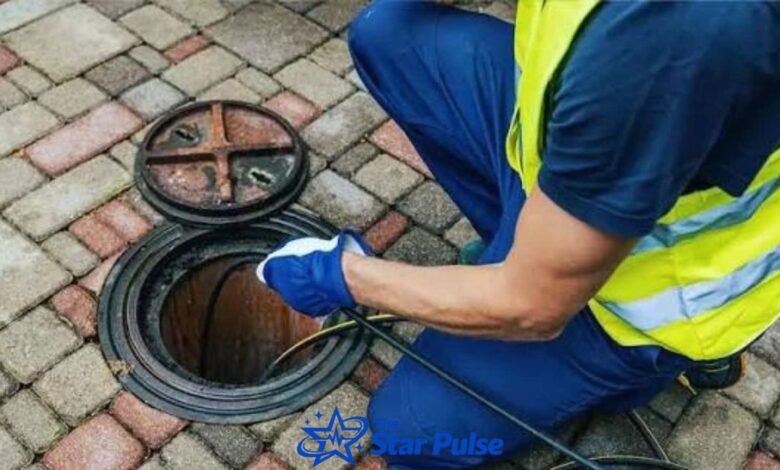
A sewer line is one of the most important parts of a property’s plumbing system because it carries wastewater away from sinks, toilets, showers, washing machines, and other drains. When the sewer line works correctly, wastewater flows safely toward a municipal sewer system or an approved septic system. However, damaged pipes, blockages, tree roots, aging materials, and poor installation can interrupt this process. These problems may cause unpleasant odors, slow drains, sewage backups, and expensive property damage if ignored. Understanding common sewer line problems helps homeowners recognize early warning signs and choose the right repair solution before a minor issue becomes a major emergency. This guide explains sewer line inspection, repair, replacement, maintenance, and prevention methods to help you protect your plumbing system and make informed decisions.
Quick Bio: Sewer Line Overview
| Feature | Details |
|---|---|
| Main purpose | Carries wastewater away from a building |
| Common materials | PVC, cast iron, clay, and other approved pipe materials |
| Common problems | Blockages, root intrusion, cracks, corrosion, and collapse |
| Warning signs | Slow drains, gurgling, odors, and sewage backups |
| Inspection method | Sewer camera inspection |
| Repair options | Drain cleaning, localized repair, lining, and pipe bursting |
| Replacement | Used when damage is extensive or repairs are impractical |
| Maintenance | Proper waste disposal and timely inspections |
| Emergency response | Stop water use and contact a qualified plumber |
| Main benefit of prevention | Reduced risk of major blockages and property damage |
What Is a Sewer Line?
A sewer line is a pipe that transports wastewater from a building’s plumbing system to a public sewer connection or private septic system. Most properties have smaller drainpipes that connect to a main sewer line, which carries wastewater away from the building. Sewer pipes can be made from materials such as PVC, cast iron, clay, or older materials depending on the property’s age and local construction practices. The pipe’s condition, diameter, slope, and installation quality all affect how efficiently wastewater moves through it. A properly functioning sewer line relies on gravity in many systems, although some properties require pumps. Unlike an ordinary sink drain, the main sewer line can affect multiple fixtures throughout the building, making early diagnosis especially important.
Common Sewer Line Problems
Sewer line problems develop for several reasons, including accumulated grease, foreign objects, tree root intrusion, corrosion, ground movement, and structural deterioration. Grease and food waste can collect inside pipes, while wet wipes, sanitary products, and other unsuitable materials may create stubborn blockages. Tree roots can enter through small joints or cracks and gradually restrict wastewater flow. Older cast-iron pipes may corrode, while clay pipes can separate at their joints. Soil movement, heavy vehicles, construction work, or unstable ground may cause pipes to crack, sag, or collapse. Some properties also experience repeated clogs because their sewer lines have insufficient slope or were installed incorrectly. Identifying the underlying cause is essential because removing a blockage will not permanently solve a structural problem.
Warning Signs of a Damaged Sewer Line
Recognizing sewer line warning signs early can help prevent serious plumbing emergencies. One of the most common symptoms is multiple slow drains throughout the property, particularly when toilets, showers, and sinks begin draining poorly at the same time. Gurgling sounds from toilets or drains may indicate trapped air caused by restricted wastewater flow. Persistent sewage odors inside the house or around the yard can suggest a damaged pipe, leaking wastewater, or a venting problem. Other warning signs include repeated drain backups, unusually green patches of grass, wet ground, and unexplained depressions in the yard. However, these symptoms do not always prove that the main sewer line is damaged. A professional inspection can determine whether the problem involves a local drain, plumbing vent, or the main sewer system.
What Causes Sewer Line Blockages?
Sewer line blockages usually occur when materials accumulate inside pipes or obstruct wastewater movement. Grease is a major contributor because it can cool, harden, and trap other debris along the pipe walls. Flushing paper towels, wipes, cotton products, and sanitary items can also create clogs because these materials may not break down like toilet paper. Hair and soap residue can contribute to restrictions in connected drains, while tree roots may enter underground pipes through vulnerable joints. Mineral deposits and sediment can narrow older pipes over time. To reduce blockage risks, dispose of cooking grease in the trash, use toilets only for appropriate waste and toilet paper, and avoid pouring unsuitable materials down household drains. Persistent blockages require professional diagnosis rather than repeated use of chemical drain cleaners.
Sewer Line Inspection Methods
A sewer line inspection helps identify blockages, leaks, cracks, root intrusion, and other hidden defects. One commonly used method is a sewer camera inspection, in which a plumber inserts a waterproof camera through an appropriate access point to examine the pipe’s interior. The recorded images can reveal damaged joints, standing water, accumulated debris, and sections that may require repair. Depending on the situation, a professional may also use locating equipment to estimate the underground pipe’s position and depth. A camera inspection is particularly useful when drains repeatedly clog or a property owner is considering buying an older home. However, the camera cannot always determine every defect or measure structural strength. The plumber should explain the findings, identify the problem’s location, and recommend a solution based on the evidence.
Sewer Line Repair Solutions
The correct sewer line repair method depends on the pipe material, the severity of the damage, the location of the defect, and the condition of the surrounding soil. Minor blockages may be removed using mechanical drain-cleaning equipment or professional hydro jetting when appropriate for the pipe. Localized cracks or damaged sections may require excavation and replacement of the affected pipe. Some systems are suitable for trenchless methods, which can restore the pipe without digging an extensive trench. Before choosing a repair, homeowners should ask whether the proposed method addresses the underlying cause, how long the repair is expected to last, and whether additional defects exist elsewhere. A reliable repair plan should also account for local plumbing regulations, access requirements, and the condition of connected pipes.
Trenchless Sewer Line Repair
Trenchless sewer line repair offers an alternative to traditional excavation when the existing pipe and site conditions are suitable. One method, cured-in-place pipe lining, places a resin-treated liner inside the damaged pipe and cures it to create a new interior surface. Another method, pipe bursting, breaks apart an existing pipe while pulling a replacement pipe into position. Both techniques can reduce surface disruption compared with digging an entire sewer line trench, although access pits may still be necessary. Trenchless sewer line repair is not suitable for every situation, particularly when pipes have severe collapses, major alignment problems, or conditions that prevent proper installation. A camera inspection and professional assessment help determine whether lining, pipe bursting, localized excavation, or full replacement provides the most appropriate long-term solution.
Sewer Line Replacement: When Is It Necessary?
Sewer line replacement may be necessary when pipes are extensively cracked, collapsed, severely corroded, repeatedly failing, or beyond practical repair. Replacing the damaged line can restore reliable wastewater flow and reduce recurring maintenance problems. The process generally involves locating underground utilities, assessing the existing pipe, obtaining required permissions, removing or bypassing the damaged section, installing a suitable replacement, and testing the completed work. PVC is commonly used in many modern installations, but the appropriate material depends on local requirements, site conditions, and system design. Homeowners should obtain a written estimate explaining excavation, pipe materials, labor, inspections, restoration, and potential additional costs. If only one section is defective, a complete replacement may not be necessary; an inspection can establish whether localized repairs are sufficient.
Sewer Line Repair Costs
Sewer line repair costs vary according to the problem, pipe depth, accessibility, labor rates, material selection, and the amount of excavation required. Clearing a simple blockage is generally less expensive than repairing a collapsed underground pipe. Sewer camera inspections, root removal, pipe lining, pipe bursting, and complete replacement each involve different equipment and labor requirements. Difficult access, concrete driveways, landscaping, utility conflicts, and extensive surface restoration can increase the total bill. Instead of relying on a generic price, request itemized quotes from qualified contractors who have inspected the property. Compare the proposed repair method, warranty terms, estimated completion time, and included restoration work. The lowest initial estimate may not offer the best long-term value if it fails to address the cause of repeated sewer line problems.
Essential Sewer Line Maintenance Tips
Regular sewer line maintenance can help reduce preventable blockages and identify developing problems before they become emergencies. Avoid flushing wipes, paper towels, sanitary products, and other non-flushable materials. Collect cooking grease in a disposable container rather than pouring it into kitchen drains, and use drain strainers where appropriate to catch hair and food particles. Keep records of recurring plumbing issues and arrange professional inspection when several fixtures drain slowly or blockages return frequently. If trees grow near underground sewer pipes, ask a qualified professional whether root intrusion is a concern. Avoid planting large trees directly over known sewer routes when planning new landscaping. Do not use aggressive chemical treatments routinely, because unsuitable products can damage some pipes or create safety hazards.
What to Do During a Sewer Line Backup
A sewer line backup requires prompt action because contaminated wastewater can damage floors, walls, furniture, and personal belongings. Stop using water-consuming fixtures if sewage is backing up through toilets, showers, or floor drains. Keep children and pets away from affected areas, and avoid direct contact with sewage because it may contain harmful microorganisms. If the water is near electrical outlets or equipment, do not enter the affected area; seek qualified emergency assistance. Contact a licensed plumber to identify the blockage or damage and determine the safest repair method. Extensive sewage contamination may require professional cleanup and disinfection. Avoid pouring chemicals into a backed-up drain or attempting repairs that expose you to contaminated water. Quick action can limit damage, but the underlying cause must still be corrected.
Choosing a Sewer Line Professional
Choosing the right sewer line contractor is important because underground plumbing repairs can be expensive and difficult to evaluate after the work is finished. Look for a qualified professional with appropriate licensing or registration where required, relevant insurance, and experience with the type of sewer system on your property. Request a written diagnosis, an itemized estimate, and an explanation of the recommended repair method. Ask whether the contractor can provide camera inspection footage, permits, testing details, and written warranty information. If trenchless repair is proposed, confirm that the pipe’s condition supports the method. Be cautious of contractors who recommend complete replacement without explaining the evidence or offering a clear scope of work. A documented inspection and transparent proposal make it easier to compare services and avoid unnecessary expenses.
Preventing Future Sewer Line Problems
Preventing future sewer line problems requires a combination of sensible household habits, timely repairs, and attention to the property’s surroundings. Make sure only appropriate materials enter the drainage system, and address recurring clogs instead of treating them as isolated inconveniences. During renovations or landscaping projects, identify underground utility locations before digging or installing new trees. If a property has an older sewer line, ask a plumber whether its material, history, and current condition justify a preventive camera inspection. Repair small defects when appropriate to reduce the risk of worsening damage. Homeowners should also understand whether responsibility for the sewer connection belongs to the property owner, municipality, or another utility provider, as rules vary by location. Preventive maintenance cannot eliminate every failure, but it can improve reliability and help control repair expenses.
Final Thoughts
A properly maintained sewer line is essential for safe, reliable plumbing and the protection of your property. Learning to recognize warning signs, arranging timely sewer line inspection, and selecting suitable repair solutions can help prevent serious damage. Whether you need routine maintenance, trenchless sewer line repair, or complete sewer line replacement, the best decision starts with an accurate diagnosis. By following sensible prevention practices and working with a qualified professional, you can improve your plumbing system’s reliability, reduce avoidable expenses, and address sewer line problems before they become more disruptive.
FAQs
1. What are the signs of a damaged sewer line?
Common signs include multiple slow drains, repeated toilet backups, gurgling sounds, persistent sewage odors, and unexplained wet patches in the yard. These symptoms may also have other causes, so a professional inspection is recommended to confirm the problem.
2. How do plumbers inspect a sewer line?
Plumbers commonly use a waterproof sewer camera inserted through an access point to examine the pipe’s interior. The inspection can reveal roots, blockages, cracks, and other visible defects, helping the plumber recommend an appropriate repair.
3. Can a sewer line be repaired without digging?
Yes. Trenchless methods such as pipe lining and pipe bursting can reduce excavation when the pipe’s condition and site layout are suitable. Severe collapse or other structural problems may still require traditional excavation.
4. When should a sewer line be replaced?
Replacement may be appropriate when the pipe has extensive damage, severe corrosion, repeated failures, or a major collapse. A camera inspection helps determine whether a localized repair can solve the problem or whether replacing a larger section is more practical.
5. How can I prevent sewer line blockages?
Avoid flushing wipes and other unsuitable products, keep grease out of drains, and investigate recurring clogs. Professional inspection can help identify root intrusion or structural damage before the problem develops into a costly emergency.