

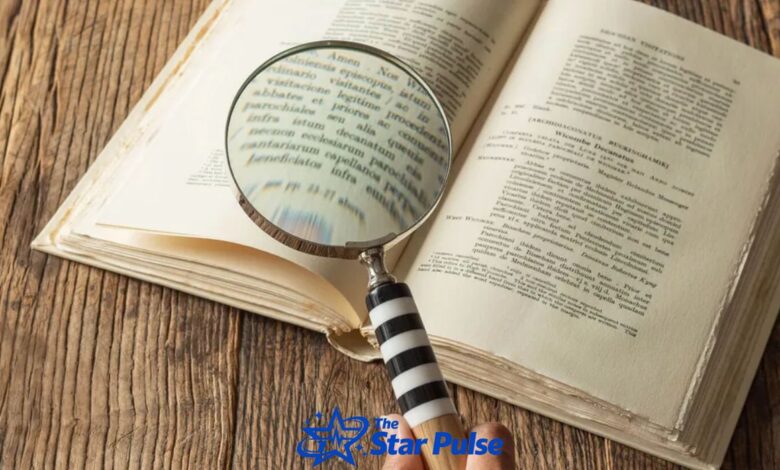
A magnifying glass is a simple yet valuable optical tool that makes small objects and fine details easier to see. It uses a specially shaped lens to enlarge the appearance of an object, helping people examine tiny text, inspect jewelry, study insects, repair electronics, and complete detailed crafts. Although digital screens and advanced microscopes are widely available, a traditional magnifying glass remains useful because it is portable, easy to operate, and does not always require electricity or batteries. Modern designs also include LED lighting, adjustable stands, multiple lenses, and electronic displays, making magnification accessible for different needs. Choosing the right magnifying glass depends on factors such as magnification power, lens quality, working distance, lighting, and intended use. Understanding these features can help buyers select a practical tool for reading, hobbies, professional work, or scientific observation.
What Is a Magnifying Glass?
A magnifying glass is an optical instrument that usually contains a convex lens, which is thicker in the middle than at the edges. When an object is placed within the appropriate distance from the lens, light rays are refracted to produce an enlarged virtual image. This allows the viewer to see details that might otherwise be difficult to distinguish with the naked eye. Traditional magnifying glasses feature a circular lens attached to a handle, but modern versions may have rectangular lenses, folding frames, desk stands, or digital displays. The amount of enlargement depends on the lens design and viewing distance. Unlike a microscope, which can provide much greater magnification through a more complex optical system, a handheld magnifying glass is designed for convenient close-up observation.
How Does a Magnifying Glass Work?
The working principle of a magnifying glass is based on refraction, the bending of light as it passes between materials with different optical properties. A convex lens bends incoming light rays so that the eye can perceive an enlarged image when the object is positioned correctly. The lens’s focal length plays an important role in determining its magnifying power. A shorter focal length generally produces greater angular magnification, although it usually requires the object and eye to be positioned more carefully. The lens diameter also affects how much of the object can be viewed at once. Larger lenses can provide a wider viewing area, while smaller high-power lenses may reveal finer details in a narrower field. Understanding these principles helps explain why different magnifying glasses perform differently even when their advertised magnification appears similar.
Different Types of Magnifying Glasses
Magnifying glasses are available in several designs to suit different activities. Handheld magnifiers are suitable for occasional reading and general inspection because they are lightweight and portable. Illuminated magnifiers include built-in LED lights that improve visibility in dim environments. Stand magnifiers rest directly on a surface or maintain a fixed distance from the object, making them useful for prolonged reading and precision work. Hands-free magnifiers can be worn around the neck or attached to the head, leaving both hands available for sewing, soldering, or model-making. Pocket magnifiers fold into protective cases and are convenient for travel. Digital magnifiers use cameras and electronic screens to enlarge text and objects, sometimes offering adjustable contrast, brightness, and image capture. Each type has particular advantages, so the best choice depends on how, where, and how often it will be used.
Magnification Power and Lens Quality
Magnification power is one of the most important considerations when purchasing a magnifying glass. Products commonly advertise powers such as 2x, 3x, 5x, or higher, indicating the degree of enlargement under specified viewing conditions. Lower magnification is generally suitable for reading ordinary print, examining maps, or viewing larger objects. Higher magnification can help reveal tiny markings, jewelry details, or intricate components, but it often provides a smaller field of view and a shorter working distance. Lens quality matters just as much as magnification. A well-made lens should produce a reasonably clear image with minimal distortion around the edges. Optical glass often offers good clarity and scratch resistance, while acrylic lenses can be lighter and more affordable. Buyers should also consider lens coatings, durability, and whether the advertised magnification is appropriate for their particular task.
Common Uses of a Magnifying Glass
The magnifying glass has practical applications in homes, workplaces, schools, laboratories, and workshops. Readers use it to examine small-print labels, instructions, newspapers, and books. Jewelers inspect gemstones, metalwork, hallmarks, and tiny decorative details. Collectors examine coins, stamps, antiques, and other objects to identify wear, markings, and manufacturing features. Students and nature enthusiasts use magnifiers to observe leaves, insects, soil particles, and plant structures. Electronic technicians inspect circuit boards and small connections, while craft enthusiasts use magnification for embroidery, miniature painting, and intricate repairs. A magnifying glass can also help people examine splinters or small surface irregularities, although it should not replace professional medical equipment or clinical advice when an injury requires attention. Its versatility makes it useful for both everyday activities and specialized work.
Benefits of Using a Magnifying Glass
One of the main benefits of a magnifying glass is that it makes small details easier to observe without complicated equipment. It can improve reading comfort for people who struggle with tiny print, although individuals with persistent vision difficulties may benefit from a professional eye examination and appropriate visual aids. Magnifying glasses are generally affordable, reusable, and easy to carry. They also allow users to inspect objects without connecting to a computer or installing software. For students, they encourage close observation and practical learning, while professionals can use them for inspection and precision tasks. Illuminated models offer additional convenience in low-light conditions. However, magnification does not automatically improve every visual task; choosing suitable power, lighting, and positioning is essential for obtaining clear results.
How to Choose the Best Magnifying Glass
To choose the best magnifying glass, begin by identifying your primary purpose. For reading books or product labels, a large, low-power magnifier may be comfortable. For jewelry inspection, electronics repair, or miniature artwork, a higher-power model or hands-free magnifier may be more appropriate. Consider lens size, weight, handle comfort, and whether you need built-in lighting. Check product specifications carefully instead of choosing solely by the highest magnification number. If possible, test how clearly the lens displays text near the edges and whether you can maintain a comfortable viewing distance. People who need prolonged assistance with reading may prefer a stand magnifier or electronic magnifier. A good purchase balances optical clarity, practical design, durability, and price rather than focusing on magnification alone.
Magnifying Glass vs. Microscope
A magnifying glass and a microscope both enlarge objects, but they serve different purposes. A magnifying glass is generally better for quick, direct inspection of objects such as coins, printed text, gemstones, and leaves. It is simple to use and often requires little preparation. A microscope uses a more complex optical system and can reveal much smaller structures that an ordinary magnifier cannot show clearly. Compound microscopes are especially useful in scientific settings where cells and microscopic specimens must be examined. Some digital microscopes also display magnified images on a screen. The choice depends on the level of detail required, budget, and working environment. For everyday observation, a magnifying glass is usually more convenient, while laboratory investigations may require a microscope.
Magnifying Glasses for Reading and Crafts
Reading magnifiers are designed to make printed material easier to inspect. Large rectangular lenses can cover several words at once, while illuminated models help improve contrast in poorly lit rooms. For sewing, knitting, jewelry-making, and miniature crafts, hands-free magnifiers can be particularly useful because they allow users to work with both hands. Head-mounted magnifiers offer adjustable viewing positions, while desk-mounted models provide a stable setup. When selecting a magnifier for crafts, check its working distance carefully because the lens must allow enough room for your hands and tools. Good lighting is equally important. A comfortable chair, suitable posture, and regular breaks can make detailed work easier during longer sessions.
Digital and LED Magnifying Glasses
Modern magnifying glasses often include LED illumination or digital technology. LED magnifiers direct light toward the viewing area, helping users distinguish details without relying entirely on room lighting. Adjustable brightness can be useful when working with reflective surfaces or different types of printed material. Digital magnifiers use a camera and display to enlarge images electronically. Some models offer contrast adjustments, color modes, freeze-frame functions, or image storage. These features may help people who need more flexible visual assistance than a conventional lens provides. However, digital devices usually cost more and may require batteries or charging. Before purchasing one, compare screen size, battery life, controls, and image quality. For occasional use, a simple handheld magnifier may provide everything necessary.
Magnifying Glass Maintenance and Safety
Proper care helps preserve the clarity and lifespan of a magnifying glass. Clean the lens with a soft microfiber cloth and a cleaning solution approved for its material. Avoid abrasive fabrics, harsh chemicals, and excessive pressure, which can scratch plastic lenses or damage coatings. Store the magnifier in a protective case when it is not being used, and keep it away from children who might accidentally damage the lens. Never leave a magnifying glass in direct sunlight where it could concentrate sunlight onto combustible material. A convex lens can focus sunlight into a small, intensely heated area, creating a fire risk. Avoid looking directly at the Sun through any magnifying lens, as concentrated sunlight can seriously damage the eyes. Keep illuminated and electronic models dry unless they are specifically designed for wet environments.
Price, Features, and Value for Money
Magnifying glass prices vary according to lens material, magnification, lighting, construction, and specialized features. Basic handheld models are often the most economical choice for occasional reading and general inspection. Illuminated magnifiers usually cost more because they include lighting components, while digital magnifiers can be significantly more expensive because they incorporate electronic displays and image-processing features. Professional users may prefer durable designs with consistent optical quality, even when the initial price is higher. Before buying, compare warranty coverage, replacement batteries, lens dimensions, and customer feedback about image distortion. Avoid assuming that an expensive product is always superior or that the highest advertised magnification provides the clearest image. The best value comes from selecting a reliable magnifier that comfortably meets your actual needs.
Future Trends in Magnifying Glass Technology
Magnifying glass technology continues to develop through improvements in optical materials, lighting, and electronic assistance. Lightweight lenses and ergonomic handles can make traditional magnifiers more comfortable for frequent use. Digital models increasingly combine magnification with adjustable contrast, image capture, and screen-based viewing. These capabilities can support detailed inspection, accessibility, education, and technical work. Some specialized systems also combine magnification with cameras or software that enhances image visibility. Nevertheless, conventional magnifiers remain relevant because they are simple, inexpensive, and independent of electronic systems. Future designs are likely to emphasize portability, improved image quality, energy efficiency, and accessibility. When evaluating new products, consumers should prioritize demonstrated performance and useful features rather than relying on marketing claims alone.
Final Thoughts
A magnifying glass remains a practical tool for reading, collecting, crafting, studying nature, and examining small objects. The best model depends on the task, desired magnification, lens quality, lighting conditions, and comfort. Handheld magnifiers suit everyday use, while illuminated, hands-free, and digital options can offer additional convenience for specialized needs. By comparing these features and following basic safety precautions, buyers can choose a magnifying glass that delivers clear viewing and lasting value.
FAQs
1. What is a magnifying glass used for?
A magnifying glass enlarges the appearance of small objects and details. It is commonly used for reading small print, inspecting jewelry, examining coins, completing crafts, and observing plants or insects.
2. Which magnifying glass is best for reading?
A large handheld or illuminated magnifier with moderate magnification is often suitable for reading. People who need frequent assistance may prefer a stand or digital magnifier with adjustable lighting and contrast.
3. Is higher magnification always better?
No. Higher magnification usually reduces the visible area and working distance. Select a magnification level that provides enough detail while maintaining a comfortable, clear view.
4. What is the difference between a magnifying glass and a microscope?
A magnifying glass uses a lens for convenient close-up viewing, while a microscope uses a more complex optical system to reveal much smaller structures. Microscopes are generally better suited to laboratory investigations.
5. How should I clean a magnifying glass?
Use a soft microfiber cloth and a suitable lens-cleaning solution. Avoid abrasive materials and harsh chemicals, and store the magnifier in a protective case to prevent scratches and damage.