

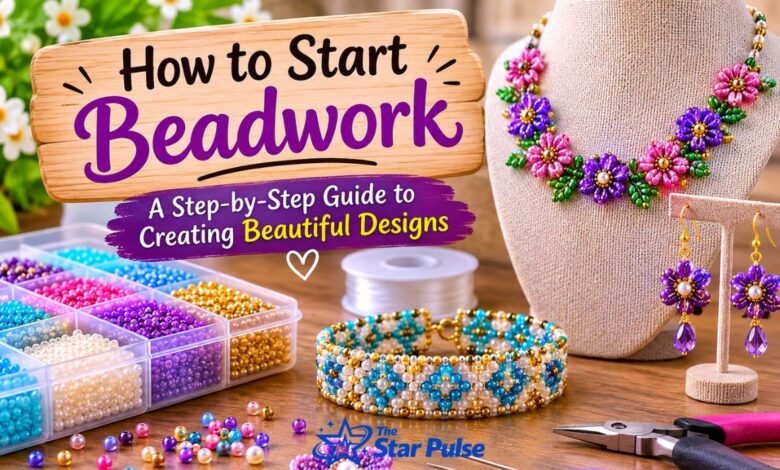
Beadwork is a creative craft that transforms small, colorful beads into beautiful jewelry, decorations, accessories, and artistic designs. It has been practiced across different cultures for centuries, with traditional techniques continuing to inspire modern creators. Today, beginners can explore beadwork at home using affordable materials, simple tools, and easy-to-follow patterns. Whether someone wants to make bracelets, necklaces, earrings, or decorative fabric designs, learning the basics provides an enjoyable starting point. The best part is that this craft does not require professional equipment or previous artistic experience. With patience, practice, and suitable materials, anyone can develop the skills needed to create attractive handmade pieces.
Understand What Beadwork Is
Beadwork is the art of arranging and connecting small decorative beads to create patterns, pictures, jewelry, and other handmade objects. These beads can be made from glass, wood, plastic, metal, gemstones, or ceramic materials. Depending on the project, creators may attach them to thread, wire, fabric, or other surfaces. Some designs use simple repeated patterns, while others involve detailed geometric shapes and colorful arrangements. Beadwork is also an important part of many cultural traditions, where specific patterns and materials can represent identity, history, and artistic heritage. Understanding these different applications helps beginners discover which style interests them most.
Choose the Right Beads for Your Project
Selecting suitable beads is one of the first steps toward successful beadwork. Beginners can start with pony beads, seed beads, glass beads, or wooden beads because they are available in different sizes and colors. Pony beads are particularly useful for practicing simple bracelets, while smaller seed beads allow more detailed designs. Glass beads provide an attractive finish for jewelry, whereas wooden beads create a natural appearance. Before purchasing materials, consider the size of the holes, bead shape, weight, and consistency. Using beads with similar dimensions makes patterns easier to manage and helps create a neat, balanced final product.
Gather Essential Beadwork Tools
Having the right tools makes beadwork more comfortable and improves the quality of handmade projects. Basic supplies include beading needles, nylon thread, beading wire, scissors, measuring tape, and a small storage container. Beginners may also benefit from a bead mat because it prevents small materials from rolling away during work. Jewelry-making pliers and clasps become useful when creating necklaces and bracelets. Choose needles that fit comfortably through the bead holes, especially when working with tiny seed beads. Organizing everything before starting saves time and reduces interruptions. A simple beginner kit is usually enough to complete several small projects.
Select a Beginner-Friendly Beadwork Technique
There are several beadwork techniques, and choosing an easy one helps beginners build confidence. Stringing is among the simplest methods because it involves placing beads onto thread or wire in a chosen arrangement. Loom beadwork uses a frame to hold parallel threads while beads are woven into decorative patterns. Off-loom techniques, including peyote stitch and brick stitch, create structured designs without requiring a loom. Embroidery beadwork involves sewing beads directly onto fabric to produce decorative surfaces. Beginners should start with basic stringing before exploring more complicated stitches. Learning one technique at a time makes the process easier to understand.
Plan Your First Beadwork Design
Planning a design before arranging beads prevents unnecessary mistakes and material waste. Start by deciding what you want to make, such as a bracelet, keychain, necklace, or decorative accessory. Choose two or three complementary colors rather than using too many shades in your first project. Sketching the arrangement on paper can help you visualize the final appearance. You can also arrange beads on a flat surface to experiment with different combinations before connecting them. Consider the length, pattern repetition, and placement of special beads. A simple plan gives your project direction while leaving enough room for creativity and personal adjustments.
Learn Basic Bead Stringing
Bead stringing is an excellent first practical exercise because it teaches basic spacing, arrangement, and finishing skills. Cut a suitable length of beading thread or flexible jewelry wire, leaving additional material for securing the ends. Arrange your selected beads in the desired order before threading them. Carefully pass the thread through each bead, avoiding excessive pulling that could damage delicate materials. Maintain consistent spacing so the finished piece looks balanced. Once all beads are positioned, secure the ends using an appropriate knot or jewelry finding. Practicing with a simple bracelet helps develop hand coordination before attempting more detailed patterns.
Explore Popular Beadwork Patterns
Patterns give beadwork structure and make handmade designs visually interesting. Beginners can practice alternating colors, repeating sequences, symmetrical arrangements, and simple geometric shapes. For example, combining blue and white beads in a repeating order creates an attractive bracelet without complicated stitching. More experienced creators can explore floral patterns, zigzags, diamonds, and traditional geometric designs. Beadwork patterns can be drawn on graph paper, where each square represents an individual bead. Digital pattern tools can also help organize colors and visualize complicated arrangements. Learning to read patterns makes it easier to reproduce existing designs and eventually develop original creations.
Experiment With Color Combinations
Color selection plays an important role in the appearance of finished beadwork. Some creators prefer bright combinations, while others choose neutral shades for elegant and minimal designs. Understanding basic color relationships can help beginners make better decisions. Complementary colors, such as blue and orange, create contrast, while neighboring colors on the color wheel produce a softer appearance. Metallic, transparent, and matte beads can introduce additional visual interest. Try arranging sample beads together under natural lighting before beginning a project because colors sometimes look different indoors. Experimenting with combinations allows you to develop a recognizable personal style.
Create Your First Beadwork Jewelry
Once you understand basic stringing and patterns, you can create your first handmade jewelry piece. A simple bracelet is a practical starting project because it requires relatively few materials and can be completed without advanced techniques. Measure your wrist, arrange the beads, and check the length before attaching the clasp. For necklaces, consider how bead sizes and decorative elements will look when worn. Earrings require additional findings, such as hooks or posts, and should be assembled securely. Pay attention to comfort, weight, and durability. Completing a wearable item helps beginners understand how individual techniques work together in a finished design.
Try Loom and Off-Loom Beadwork
After mastering basic projects, experimenting with loom and off-loom techniques can expand your creative abilities. A bead loom holds threads in parallel rows, allowing creators to weave beads into flat bands and decorative panels. This method works particularly well for patterned bracelets and fabric embellishments. Off-loom techniques use a needle and thread to connect beads through different stitching methods. Peyote stitch creates flexible, textured patterns, while brick stitch produces arrangements resembling rows of bricks. Both methods require practice because bead placement and thread tension influence the final result. Start with small samples before attempting larger designs.
Avoid Common Beginner Mistakes
New beadwork creators sometimes struggle with uneven spacing, loose knots, incorrect bead sizes, and inconsistent thread tension. These problems can affect the appearance and durability of finished projects. To avoid them, check bead holes before starting and make sure your needle and thread are compatible. Do not pull too tightly because excessive tension may distort patterns or break delicate thread. Similarly, loose connections can cause beads to move unexpectedly. Keep your workspace organized and inspect each section as you work. If something looks uneven, correcting it immediately is easier than repairing the entire project later.
Find Inspiration and Develop Your Skills
Improving beadwork skills requires experimentation and regular practice. Beginners can explore craft books, instructional videos, online communities, and traditional handmade designs for inspiration. Looking at different jewelry styles and cultural techniques can introduce new ideas, but it is important to respect the origins and meanings of traditional patterns. Keep photographs of completed projects to track progress and identify areas that need improvement. Try changing bead shapes, colors, and arrangements to develop original designs. Over time, practicing different techniques will improve accuracy, creativity, and confidence. Creating small projects regularly is often more effective than attempting complicated designs immediately.
Maintain and Store Your Beadwork Properly
Proper storage helps protect finished beadwork and keeps unused materials in good condition. Store beads in separate containers or divided organizers to prevent colors and sizes from mixing. Keep delicate jewelry away from moisture, direct sunlight, and harsh chemicals. Soft fabric pouches are useful for protecting finished necklaces and bracelets from scratches. Avoid placing heavy objects on delicate beaded accessories because pressure can damage threads and decorative arrangements. Clean appropriate glass or plastic beads gently with a soft cloth, following the material’s care requirements. Good maintenance extends the life of handmade creations and keeps them looking attractive.
Final Thoughts
Beadwork is an enjoyable craft that combines creativity, patience, and practical skills. Starting with simple materials and beginner-friendly techniques makes it easier to understand how different beads, patterns, and tools work together. From basic stringing to detailed loom designs, every project offers an opportunity to learn something new. Beginners should focus on practicing regularly rather than expecting perfect results immediately. As confidence improves, experimenting with colors, jewelry styles, and decorative patterns can lead to more original creations. With the right approach, beadwork can become a rewarding hobby and even develop into a small handmade business.
FAQs
1. What is beadwork used for?
Beadwork is used to create jewelry, clothing decorations, accessories, home decor, and artistic designs. It also plays an important role in cultural traditions and handmade crafts.
2. Is beadwork easy for beginners?
Yes, beadwork is beginner-friendly when you start with simple techniques. Basic stringing, alternating colors, and making small bracelets are excellent ways to develop practical skills.
3. What materials are needed to start beadwork?
Essential materials include beads, beading thread or wire, needles, scissors, and storage containers. Additional supplies such as clasps, pliers, and bead mats are useful for specific projects.
4. Which beadwork technique is best for beginners?
Basic bead stringing is generally the easiest technique to learn. It teaches beginners how to arrange beads, maintain spacing, and secure finished designs before exploring advanced stitching methods.
5. Can beadwork become a profitable hobby?
Yes, skilled creators can sell handmade bracelets, necklaces, earrings, and customized accessories. Building a small business requires attractive designs, quality materials, reasonable pricing, and effective marketing.