
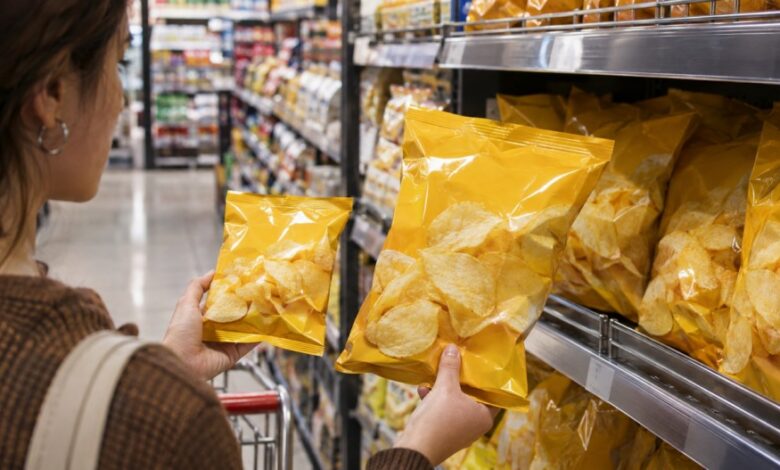
Potato chips are among the most popular snacks enjoyed by people of all ages. Whether someone is watching a movie, traveling, taking a lunch break, or spending time with friends, chips are often a convenient choice. While flavor and price influence purchasing decisions, packaging size also plays an important role. The right packaging helps protect the product, makes it easier to carry, and provides a suitable quantity for different occasions.
Choosing the right chip bag sizes is important for both snack manufacturers and consumers. Smaller bags are convenient for individual servings, while larger packages are useful for families and social gatherings. For businesses, packaging dimensions also affect production costs, storage, transportation, and retail presentation. Understanding these factors helps explain why snack companies offer different packaging options to meet customer needs.
Why Packaging Size Matters in the Snack Industry
Packaging size affects more than the amount of food inside a bag. It influences how customers use the product, how retailers display it, and how manufacturers prepare it for distribution.
A small package can easily fit inside a school lunchbox or handbag. A larger package may be more practical for families who regularly enjoy chips together. Both options serve different purposes, even when they contain the same flavor.
For manufacturers, selecting suitable packaging dimensions requires careful planning. A bag must provide enough space for the chips without putting unnecessary pressure on them. It should also work efficiently with the equipment used during filling and sealing.
When these factors are considered together, packaging becomes an important part of the overall customer experience.
Understanding the Different Types of Chip Bags
Snack manufacturers offer different packaging formats to match customer preferences and shopping habits. Although exact package weights vary between brands, several common categories are available.
- Single-serving bags: Small packages suitable for school lunches, vending machines, and quick snacks.
- Regular-size bags: Convenient options for everyday snacking at home or work.
- Family-size bags: Larger packages commonly purchased for household consumption.
- Party-size bags: Packages designed for celebrations, gatherings, and sharing.
- Bulk packaging: Larger quantities commonly used by food service businesses and wholesale buyers.
Each package serves a different purpose. Someone buying chips during a short break may prefer a smaller bag, while a person organizing a family gathering may choose a larger option.
Offering different sizes allows snack brands to reach more customers and provide products suitable for different situations.
How Packaging Protects Chips During Transportation
Potato chips are delicate products that can break easily when exposed to pressure or rough handling. Packaging helps reduce damage during storage, shipping, and delivery.
Many manufacturers use nitrogen flushing when packaging chips. This process replaces much of the oxygen-containing air inside the package with nitrogen, helping reduce oxidation and maintain product quality.
The gas-filled space inside the bag also provides some cushioning, which can help protect chips during transportation.
However, protective space alone is not enough. Manufacturers must also select packaging materials that provide suitable barriers against moisture and oxygen.
Strong seals are equally important because damaged or poorly sealed packages can allow outside air and moisture to affect the product.
A properly designed package helps chips reach customers in better condition while maintaining their expected taste and texture.
How Consumer Habits Influence Packaging Decisions
Customer lifestyles have a major influence on packaging preferences. Different people purchase snacks for different reasons, and manufacturers must understand these habits when developing products.
Students often prefer smaller packages because they fit easily into lunchboxes. Office workers may choose individual servings for quick breaks, while families frequently purchase larger bags for home consumption.
Convenience also influences buying decisions. Some customers prefer snacks that can be finished in one sitting, while others want enough food to share with several people.
Packaging size can also affect how customers manage portions and leftovers.
By offering several formats, businesses can make their products more practical for different lifestyles. This approach helps customers select snacks that match their needs without compromising convenience.
The Connection Between Bag Size and Product Freshness
Freshness is one of the most important qualities customers expect from potato chips. People want chips that remain crispy, flavorful, and enjoyable when they open the package.
Packaging plays a major role in preserving these qualities.
Manufacturers must evaluate chip bag sizes alongside packaging materials, filling processes, and sealing requirements. These decisions help determine how effectively the package protects its contents during storage and distribution.
Smaller packages are often consumed during a single occasion, reducing the need to store leftovers. Larger bags may remain open for longer periods, especially when only one person is eating them.
Once opened, chips can absorb moisture from the surrounding air and gradually lose their crispness.
Consumers can help maintain freshness by tightly closing opened bags or transferring the remaining chips into airtight containers.
Choosing a suitable package therefore depends on how quickly the product will be consumed, rather than simply selecting the largest available option.
How Packaging Size Influences Retail Presentation
Retail stores have limited shelf space, making package dimensions an important consideration for snack manufacturers.
Smaller bags are often suitable for checkout counters, vending machines, and compact retail displays. Larger packages usually require more space but can attract customers purchasing snacks for families or gatherings.
Packaging dimensions also influence product visibility.
A well-designed bag should display its brand name, flavor, and important product information clearly. Larger packages may provide more room for graphics and promotional details, while smaller bags require simple and readable designs.
Retailers also need products that are easy to arrange, restock, and display.
Manufacturers who consider these requirements can create packaging that supports both attractive presentation and practical store operations.
Why Packaging Machinery Must Match Bag Requirements
Behind every finished snack package is a production process involving weighing, filling, sealing, and quality inspection.
Packaging machinery must handle the intended bag dimensions accurately to maintain consistent production.
When a manufacturer introduces a different package size, equipment settings may need adjustments. These changes can affect filling quantities, film movement, sealing performance, and production speed.
Several important factors should be considered:
- Bag dimensions: Equipment should support the required package width and length.
- Filling accuracy: Each bag must contain the correct amount of product.
- Sealing quality: Reliable seals help maintain product freshness and protection.
- Production speed: Machinery should meet the manufacturer’s expected output.
- Flexibility: Equipment capable of handling multiple formats can support future product expansion.
Testing packaging materials and equipment before large-scale production can help identify potential problems.
Reliable machinery allows manufacturers to maintain consistent packaging standards while reducing unnecessary interruptions during production.
How Packaging Size Affects Production Costs
Packaging decisions directly influence manufacturing expenses. Different package sizes require different quantities of materials, production adjustments, and transportation arrangements.
Larger bags generally use more packaging material per individual package. Smaller bags may require more filling and sealing operations to package the same total weight of chips.
Manufacturers must also consider storage space, labor requirements, shipping efficiency, and equipment maintenance.
For example, introducing multiple package sizes may help attract more customers, but it can also increase production planning requirements.
Companies must manage different packaging materials and ensure that equipment operates efficiently across the selected formats.
Balancing these factors helps businesses control expenses without sacrificing product quality.
Environmental Considerations in Snack Packaging
Environmental responsibility is becoming increasingly important in packaging decisions.
Using unnecessary packaging material can increase waste, while inefficient package dimensions may create additional storage and transportation requirements.
Manufacturers can explore several ways to improve packaging efficiency, including:
- Selecting package dimensions that fit the product.
- Reducing unnecessary material usage where practical.
- Improving packaging and transportation efficiency.
- Evaluating materials compatible with available recycling systems.
However, reducing packaging material should never compromise food safety or product protection.
Some flexible snack packages contain multiple material layers that provide important protective properties but can be difficult to recycle through conventional systems.
Businesses should therefore evaluate packaging materials carefully and consider both environmental performance and product requirements.
How Snack Brands Can Improve Their Packaging Strategy
Developing an effective packaging strategy begins with understanding customer expectations and production requirements.
Snack manufacturers should consider where their products will be sold, how customers typically consume them, and which package formats are most useful.
A business selling chips mainly through convenience stores may focus on smaller packages, while a brand supplying supermarkets may offer regular, family, and party-size options.
Future expansion is another important consideration.
Manufacturers planning to introduce additional products should assess whether their packaging equipment can support different bag dimensions and filling requirements.
Careful planning helps businesses make better packaging decisions and maintain consistent product quality as demand increases.
Conclusion
Choosing suitable chip packaging involves much more than deciding how much food should fit inside a bag. Manufacturers must consider freshness, convenience, transportation, production efficiency, and retail presentation. These factors influence how effectively a product meets customer expectations.
Companies specializing in packaging technology, such as pallasmt.com, provide packaging machinery and solutions that support different production requirements. Understanding the relationship between packaging dimensions, product characteristics, and equipment capabilities can help snack businesses make informed decisions.
Ultimately, the right packaging creates value for both manufacturers and consumers. Smaller bags provide convenience for individual snacking, while larger packages make sharing easier. By balancing product protection, practical design, and customer needs, snack brands can improve their packaging processes and deliver a more satisfying snacking experience.