
Ant Infestations: Causes, Warning Signs, Prevention, and Effective Treatment Methods

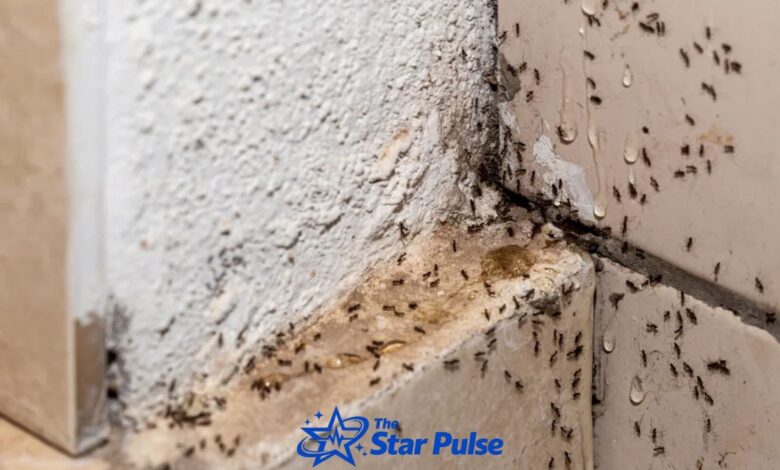
Ant infestations are a common household problem that can affect kitchens, bathrooms, gardens, offices, and other indoor spaces. Although ants are small, a colony can contain thousands of workers searching for food, water, and suitable nesting locations. A few ants near a window may seem harmless, but repeated sightings often indicate that a larger colony is nearby. Understanding the causes of ant infestations helps homeowners choose effective treatment methods and prevent the insects from returning. Factors such as food crumbs, moisture, changing weather, and small structural gaps can attract ants indoors. This guide explains the warning signs, common causes, hidden nesting places, health concerns, and practical ant infestation treatment options. It also explores home remedies, ant baits, professional pest control, and long-term prevention strategies for maintaining a clean, comfortable, and pest-free environment.
What Are Ant Infestations?
Ant infestations occur when ants establish colonies in or around buildings and repeatedly enter spaces in search of resources. Ants are social insects that generally live in organized colonies containing a queen, workers, and, during certain reproductive periods, winged males and females. Worker ants collect food, maintain tunnels, protect the colony, and communicate with other workers through chemical signals called pheromones. When one ant discovers a reliable food source, it may leave a chemical trail that guides others to the same location. This behavior explains why a few ants can quickly become a visible line of insects. Ant infestations do not always mean a nest is inside the house; ants may live outdoors and enter through tiny openings. Identifying their movement patterns is therefore an important first step toward effective ant control.
Common Causes of Ant Infestations
Food availability is one of the leading causes of ant infestations in homes. Uncovered sweets, sugary drinks, pet food, grease, and small crumbs can attract foraging ants. Even a clean-looking kitchen may contain enough residue around appliances or cupboards to sustain repeated visits. Moisture is another important factor, particularly for species that seek water around leaking pipes, sinks, bathrooms, and damp walls. Ants may also enter buildings during heavy rainfall, extreme heat, or changes in outdoor conditions. Gardens containing fallen fruit, compost, and accessible waste can provide additional food sources near the house. Structural weaknesses, including damaged weatherstripping, cracks, and gaps around utility pipes, make entry easier. Addressing these conditions reduces the resources that attract ants and makes other pest control methods more effective.
Warning Signs of an Ant Infestation
The most recognizable sign of an ant infestation is a trail of ants moving between a food source and an entry point. However, several less obvious clues can reveal a developing problem. You may notice ants emerging from wall cracks, gathering around plumbing fixtures, or appearing repeatedly on countertops despite regular cleaning. Small piles of soil near foundations can indicate underground nesting activity. Carpenter ants may leave coarse, sawdust-like material called frass near wooden structures, although this material can resemble debris produced by other wood-boring pests. Winged ants inside a building may suggest a nearby mature colony, but identification is necessary because termites also produce winged reproductive insects. Recording where and when ants appear helps reveal their routes. Persistent sightings in multiple rooms may justify a more thorough inspection.
Types of Ants Commonly Found Indoors
Different ant species require different treatment strategies. Odorous house ants commonly seek sugary foods and may produce a noticeable odor when crushed. Pavement ants often nest beneath concrete, paving stones, and foundations before entering buildings through small gaps. Pharaoh ants are tiny, pale-colored ants that can establish indoor colonies in warm buildings; inappropriate insecticide spraying may cause their colonies to spread through a process known as budding. Carpenter ants excavate galleries in wood to create nests, although they do not eat wood like termites. Fire ants are more commonly associated with outdoor mounds and painful stings. Correct identification matters because a product or technique effective against one species may perform poorly against another. When ants are unusually small, aggressive, or persistent, professional identification can help determine the safest control approach.
Hidden Places Where Ants Build Nests
Ant nests can be difficult to locate because colonies often occupy concealed spaces. Outdoors, ants may nest beneath rocks, paving slabs, tree roots, garden debris, and foundation edges. Indoors, suitable locations include wall voids, spaces behind cabinets, insulation, gaps around plumbing, and areas beneath flooring. Carpenter ants may establish nests in damp or damaged wood, particularly where leaks have created favorable conditions. Some species maintain several connected nests rather than a single central nest, making removal more complicated. To investigate, follow ant trails during active periods and observe where workers disappear. Avoid dismantling electrical fittings or opening walls without appropriate expertise. Finding the nest can improve treatment results, but eliminating food sources and sealing entry points remains important even when the main colony is outdoors.
Health Risks and Property Damage
Most household ants do not directly threaten people, but an infestation can create hygiene concerns. Ants traveling through drains, waste areas, and other contaminated locations may transfer microorganisms onto food preparation surfaces. The degree of risk varies by species and environment, so their presence should not automatically be treated as evidence of serious disease. Certain ants can bite or sting, causing localized pain, swelling, or irritation. Fire ant stings can occasionally trigger severe allergic reactions that require emergency medical assistance. Carpenter ants deserve particular attention because their nesting activity can damage damp or compromised wood over time. They do not consume timber, but their galleries may weaken affected materials. Promptly cleaning contaminated surfaces, protecting food, repairing leaks, and identifying unusual wood debris helps reduce both health concerns and the possibility of costly structural repairs.
How to Get Rid of Ant Infestations
The most effective way to get rid of ant infestations is to combine sanitation, exclusion, and targeted treatment. Begin by identifying where ants enter and what attracts them. Remove accessible food, wipe down trails, repair dripping taps, and store ingredients in tightly sealed containers. Next, inspect window frames, doors, foundation gaps, and openings around pipes. Seal appropriate cracks with suitable materials after checking that the area does not contain moisture damage or another unresolved problem. Ant baits can then target foraging workers that carry food back to the colony. The best bait depends on the species and its current food preference; some ants favor sweet formulations, while others respond better to protein or grease-based products. Follow label directions and allow baits time to work rather than immediately spraying nearby trails.
Home Remedies for Ant Infestations
Simple household measures can help reduce ant activity, especially when the problem is small and the colony is outdoors. Cleaning trails with ordinary detergent and water removes food residues and disrupts pheromone signals. Vacuuming visible ants and promptly emptying the vacuum can provide immediate relief. Keeping bins covered and wiping sticky surfaces removes important attractants. Some homeowners use vinegar-based cleaners, but these mainly provide temporary surface cleaning and are not reliable methods for eliminating an established colony. Likewise, cinnamon, coffee grounds, essential oils, and similar folk remedies have inconsistent evidence and should not be considered dependable ant infestation treatments. Avoid mixing household chemicals, particularly bleach with acidic cleaners or ammonia, because dangerous gases can form. Home remedies work best as supporting measures rather than substitutes for targeted baiting, exclusion, and moisture control.
Ant Baits, Sprays, and Other Treatments
Ant baits are often useful because worker ants transport the active ingredient toward other colony members. Successful baiting depends on selecting a suitable formulation, placing it near active trails, and avoiding contamination that makes the bait unattractive. Keep bait stations inaccessible to children and pets, and follow all product instructions. Contact sprays may kill visible ants quickly but usually do not eliminate a concealed queen or the wider colony. For some species, particularly Pharaoh ants, repellent sprays can disrupt colonies and encourage them to establish additional nesting sites. Insecticidal dusts and other professional products may be appropriate in specific voids or outdoor nesting areas, but they require careful application. Never apply pesticides to food, utensils, or surfaces contrary to the label. Persistent infestations may need an integrated pest management plan rather than repeated applications of different chemicals.
Preventing Ant Infestations in Kitchens
Kitchens are attractive to ants because they combine food, water, warmth, and numerous hiding places. To prevent ant infestations, clean spills immediately and pay particular attention to areas beneath refrigerators, toasters, microwaves, and cupboards. Wash dishes promptly, empty indoor rubbish regularly, and clean reusable food containers before storing them. Keep sugar, flour, cereals, and pet food in secure containers that ants cannot easily enter. Inspect pantry shelves for crumbs and check plumbing connections for leaks. Pet bowls should not remain surrounded by uneaten food throughout the day when ants are a recurring problem. Regular cleaning is more effective than occasional deep cleaning because it prevents food residues from accumulating. If ants repeatedly appear in the same cupboard, investigate nearby gaps and moisture sources instead of treating only the visible insects.
Outdoor Prevention and Seasonal Ant Activity
Outdoor maintenance can significantly reduce the chance of ants entering a building. Trim vegetation away from exterior walls, remove fallen fruit, and avoid allowing branches to create easy pathways onto roofs or windows. Store firewood away from the house and keep it elevated when practical. Repair damaged door sweeps and weatherstripping, and seal gaps around utility penetrations with appropriate materials. Maintain drainage around foundations so that water does not collect near the building. Ant activity often increases when outdoor temperatures and food availability favor foraging, while heavy rain or extreme heat may drive some colonies toward sheltered areas. However, seasonal patterns vary by species and climate. Monitoring outdoor trails during periods of increased activity can help identify problems before ants become established indoors.
When to Hire Professional Ant Control Services
Professional pest control may be necessary when ant infestations continue despite careful cleaning, sealing, and correctly used bait products. Consider an inspection if ants repeatedly emerge from walls, appear in several rooms, return after treatment, or seem associated with damaged wood. A qualified technician can identify the likely species, locate nesting areas, and select a treatment appropriate to the building and its occupants. Professionals may use monitoring stations, targeted baits, carefully applied insecticides, and recommendations for correcting moisture or structural problems. Before hiring a provider, ask about licensing requirements in your area, the products being used, preparation instructions, and precautions for children and pets. Effective service should include prevention advice and follow-up when needed, rather than relying exclusively on spraying visible ants. The goal is to control the colony and reduce the conditions that support reinfestation.
Final Thought
Ant infestations can become frustrating when colonies repeatedly find food, water, and entry points inside a property. Nevertheless, long-term control is achievable with a systematic approach. Recognizing warning signs, identifying the ant species, removing food sources, repairing leaks, and sealing access points create a strong foundation for prevention. Targeted ant baits may help eliminate colonies, while professional treatment can address persistent or complicated cases. Home remedies can support cleaning efforts but rarely replace a complete control strategy. Remember that killing visible ants does not necessarily remove the nest, especially when a colony contains multiple queens or satellite nests. Regular inspections and consistent household maintenance are essential for keeping ants away. By combining prevention with suitable treatment methods, homeowners can protect food, reduce nuisance activity, and maintain a cleaner and more comfortable living environment.
FAQs
1. What causes ant infestations in homes?
Ant infestations usually develop when ants find accessible food, water, shelter, and entry points. Crumbs, sugary spills, leaking pipes, uncovered rubbish, and cracks around doors or windows can attract foraging workers. Outdoor nests may also send ants inside when weather conditions change.
2. How can I get rid of ants permanently?
Permanent control cannot be guaranteed, but you can greatly reduce recurring infestations by removing food sources, repairing leaks, sealing entry points, and using species-appropriate ant baits. If ants repeatedly return, professional inspection can help identify hidden nests and conditions that support the colony.
3. Are ant infestations dangerous?
Most household ants are primarily a nuisance, but they can contaminate food-contact surfaces and some species bite or sting. Fire ant stings can cause severe allergic reactions in susceptible individuals. Carpenter ants can also damage compromised wood, so persistent activity deserves attention.
4. Do home remedies work against ant infestations?
Cleaning with soap and water can remove pheromone trails and food residues, while vacuuming removes visible ants. However, vinegar, cinnamon, and essential oils generally cannot be relied upon to eliminate an established colony. Baits and preventive measures usually offer a more dependable approach.
5. When should I call a pest control professional?
Contact a qualified professional when infestations persist despite appropriate treatment, ants emerge from inaccessible spaces, several rooms are affected, or carpenter ants and possible wood damage are suspected. A professional can identify the species and recommend targeted treatment with suitable safety precautions.