

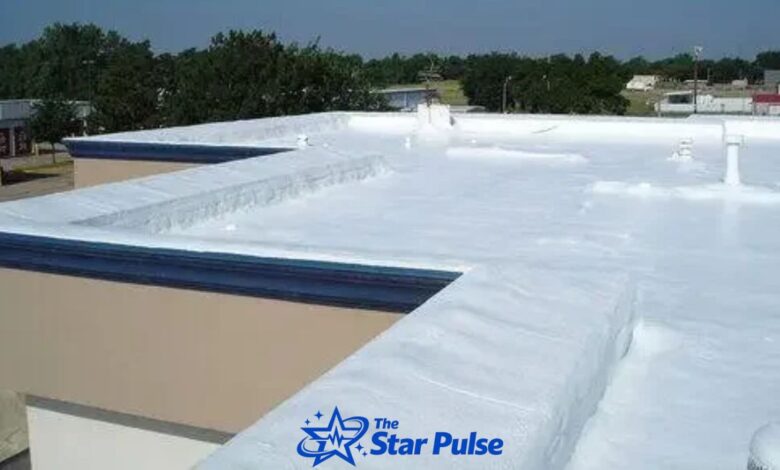
A Foam Roof is a modern roofing solution designed to protect buildings from rain, heat, air leakage, and everyday weather damage. It commonly uses spray polyurethane foam (SPF), a material applied as a liquid that expands and hardens into a continuous insulating layer. This system is popular for commercial buildings, warehouses, and suitable residential roofs because it can provide insulation and reduce the number of seams where water might enter. However, its performance depends on proper installation, drainage, protective coatings, and regular maintenance. Understanding foam roofing benefits, installation methods, costs, and potential problems helps property owners decide whether it suits their building. This guide explains how foam roofing works, what affects its lifespan, and how to maintain it for long-term performance.
What Is a Foam Roof?
A foam roof is a roofing system made by spraying liquid polyurethane components onto a prepared roof surface. The material expands and forms a lightweight, rigid layer that can follow the shape of the underlying structure. Once cured, it creates a largely seamless surface that helps limit air movement and water penetration when properly installed and protected. Most spray foam roofing systems also require a specialized elastomeric coating to protect the foam from sunlight, moisture, and physical damage. Unlike traditional roofing materials installed in separate sheets or shingles, spray foam can cover many roof shapes, including flat and low-slope designs. It is especially useful where insulation and weather protection are both priorities, although the existing roof condition must be assessed before installation.
How Does Spray Foam Roofing Work?
Spray polyurethane roofing foam is generally created by combining two chemical components through specialized application equipment. The mixture reacts and expands shortly after application, producing a closed-cell foam structure suitable for roofing. The cured material provides thermal resistance and can help reduce heat transfer through the roof. Installers apply it in controlled passes to achieve the specified thickness and create a surface that directs water toward drains. A protective roof coating is then applied according to the system manufacturer’s requirements. This coating is essential because ultraviolet radiation can gradually degrade exposed foam. The finished roof functions as a combined insulation and waterproofing system, but it is not maintenance-free: damaged coating, blocked drains, or poor installation can compromise its performance.
Major Benefits of a Foam Roof
One of the biggest advantages of a Foam Roof is its ability to combine insulation with a continuous roofing surface. Because spray polyurethane foam can reduce heat transfer, it may help keep indoor spaces more comfortable and reduce heating or cooling demand. Its seamless application also minimizes joints that commonly require attention in other roofing systems. Foam is lightweight, making it suitable for many existing structures when a professional confirms that the roof assembly can support the proposed system. It can also be applied around certain rooftop features, such as vents and pipes, with careful detailing. Nevertheless, energy savings are not guaranteed and depend on climate, insulation thickness, air leakage, building design, and HVAC efficiency. A quality installation is essential to achieve these benefits.
Foam Roof Cost and Installation Prices
The cost of a Foam Roof varies according to roof size, existing surface condition, foam thickness, protective coating, labor rates, and local material availability. Repairing damaged areas, improving drainage, removing an old roof, or working around numerous rooftop units can increase the final price. Instead of relying on a universal estimate, request itemized quotations from several experienced roofing contractors. Each quotation should identify preparation work, foam thickness, coating type, warranty coverage, and any additional charges. Compare the complete installed cost rather than choosing the lowest initial price. Although foam roofing can require a higher upfront investment than some alternatives, its insulation performance and potential to renew the protective coating may offer long-term value. Actual savings depend on maintenance needs and local energy prices.
Foam Roof Installation Process
Professional Foam Roof Installation starts with inspecting the existing roof, checking its structural condition, and identifying leaks, trapped moisture, weak areas, and drainage problems. The surface must be cleaned and prepared according to the roofing system specifications. Contractors then repair unsuitable areas and apply primer when required. Spray foam is installed in controlled layers to achieve the designed thickness without leaving gaps or creating unwanted unevenness. After curing, the surface may be trimmed or smoothed to improve drainage. Installers apply a compatible protective coating at the specified coverage rate, paying particular attention to edges, penetrations, seams, and other vulnerable details. Weather conditions, substrate moisture, and application temperatures must be suitable. A final inspection should verify coating coverage, drainage, and workmanship before the roof is accepted.
Foam Roof Insulation and Energy Efficiency
Foam Roof Insulation can improve a building’s thermal performance by reducing heat flow through the roof. This can be especially helpful in buildings exposed to intense sunshine or substantial outdoor temperature changes. Closed-cell spray polyurethane foam also has a relatively high insulating value per unit thickness compared with many common insulation materials. However, the overall result depends on the complete roof assembly, including air barriers, ventilation design, existing insulation, and interior conditions. A professional can calculate the appropriate insulation thickness for the climate and building use. Owners should also consider reflective roof coatings, which may reduce solar heat absorption when properly selected. Energy bills should be evaluated over time, taking weather and building occupancy into account rather than assuming a fixed percentage of savings.
Foam Roof Problems and Common Disadvantages
Despite its advantages, a Foam Roof can develop problems when installation or maintenance is inadequate. Exposed foam may deteriorate under ultraviolet sunlight if its protective coating wears away. Standing water can accelerate coating failure in vulnerable areas, while foot traffic, dropped tools, and sharp objects can puncture the surface. Poorly prepared substrates may cause adhesion problems, and moisture trapped beneath the roofing system can create more serious complications. Application also requires trained professionals, suitable equipment, and appropriate weather conditions. Repairs may be difficult if the original foam or coating product is unknown. Property owners should therefore keep installation records and arrange inspections after severe weather. These risks do not make foam roofing unsuitable, but they show why product selection, workmanship, drainage, and routine care matter.
Foam Roof Repair and Leak Prevention
Foam Roof Repair usually involves locating the source of damage, removing loose or deteriorated material, and restoring the affected area with compatible foam and coating products. A small puncture may be straightforward to repair, but widespread blistering, persistent leaks, or wet insulation require a more detailed assessment. Simply covering a leak without identifying its cause can allow moisture to remain trapped underneath. Contractors should inspect roof penetrations, drainage points, coating cracks, and areas where different materials meet. After repairs, the replacement coating must be compatible with the existing system. Prompt attention to minor defects can prevent more expensive damage and help preserve the roof’s waterproofing performance.
Foam Roof Maintenance Tips
Regular Foam Roof Maintenance helps extend service life and identify developing problems before they become costly. Inspect the roof at least twice a year and after significant storms, following safe access procedures. Remove leaves and debris from drains, check visible coating damage, and look for punctures, cracks, or areas where water remains for extended periods. Avoid walking unnecessarily on the foam surface, and never use sharp tools to remove debris. Keep records of inspections, repairs, and coating applications. Maintenance frequency should follow the manufacturer’s instructions and reflect local weather conditions. If the protective coating becomes thin or damaged, arrange a professional assessment to determine whether localized repairs or recoating are appropriate.
How Long Does a Foam Roof Last?
The lifespan of a Foam Roof depends on installation quality, climate exposure, drainage, maintenance, and the condition of its protective coating. A properly installed and maintained system can potentially serve for several decades, but no lifespan is guaranteed. The foam itself may remain serviceable even when the outer coating requires renewal. Regular inspections help determine when recoating is necessary, rather than relying on a fixed schedule for every property. Severe weather, standing water, mechanical damage, and neglected repairs can shorten the system’s useful life. Ask contractors for documented product specifications, realistic service-life expectations, and written warranty conditions before installation.
Foam Roof vs. Traditional Roofing
Comparing Foam Roof systems with metal roofing, shingles, or single-ply membranes requires considering more than the initial price. Foam offers continuous insulation and can adapt to irregular roof shapes, while metal may provide durability and a different maintenance profile. Shingles are commonly used on sloped residential roofs, whereas spray foam is particularly suited to flat and low-slope applications. Membrane systems may also offer effective waterproofing when properly installed. Climate, building design, accessibility, expected maintenance, and contractor expertise should guide the choice. There is no single best roofing material for every property. Obtain comparable estimates and check whether the proposed system meets local building requirements.
Choosing a Professional Foam Roofing Contractor
Selecting an experienced contractor is crucial for successful Spray Foam Roofing. Ask about previous projects, relevant licensing where required, insurance, training, and familiarity with the specific foam and coating products being proposed. Request a written scope of work covering surface preparation, insulation thickness, coating coverage, drainage improvements, cleanup, and warranty terms. Clarify who will inspect the completed work and how future repairs will be handled. A reliable professional should explain potential limitations instead of promising that leaks or energy costs will disappear completely. Verify references and compare detailed quotations before signing an agreement. Proper documentation also makes future maintenance and warranty claims easier.
Is a Foam Roof Worth It?
A Foam Roof can be a worthwhile investment for property owners who need insulation, weather protection, and a roofing system suitable for flat or low-slope structures. Its advantages are strongest when the substrate is suitable, installation is professional, and maintenance is consistent. However, properties with persistent drainage problems, substantial hidden moisture, or limited access to qualified installers may need another solution. Evaluate installation expenses alongside expected maintenance, energy performance, and warranty coverage. A professional roof assessment can establish whether foam is appropriate for your building and identify improvements required before work begins. Making a decision based on the roof’s actual condition is more reliable than choosing a material based on price alone.
Final Thoughts
A Foam Roof offers a practical combination of insulation, lightweight construction, and seamless weather protection for suitable buildings. Its long-term performance depends on professional installation, effective drainage, durable protective coatings, and regular maintenance. Before investing, compare roofing options, confirm contractor qualifications, and obtain a detailed estimate. With appropriate planning and care, foam roofing can provide lasting value while helping improve indoor comfort and overall building efficiency.
FAQs
1. What is a Foam Roof?
A Foam Roof uses spray-applied polyurethane foam to create an insulating roofing layer. A compatible protective coating shields it from sunlight and weather. It is commonly used on flat and low-slope commercial buildings.
2. How much does a Foam Roof cost?
The cost depends on roof dimensions, surface preparation, foam thickness, coating selection, labor, and repairs. Request multiple itemized quotations to compare installation costs, warranty terms, and expected maintenance expenses accurately.
3. Can a Foam Roof leak?
Yes. Punctures, damaged coatings, poor installation, and drainage problems can cause leaks. Regular inspections and prompt repairs help maintain waterproofing and prevent minor defects from developing into larger problems.
4. How long does a Foam Roof last?
A properly installed and maintained foam roofing system can last for decades, depending on its materials and environmental conditions. Protective coatings may need periodic renewal, so follow the manufacturer’s maintenance recommendations.
5. Is a Foam Roof energy-efficient?
Yes, spray polyurethane foam can reduce heat transfer and improve insulation. Actual energy savings depend on climate, roof design, insulation thickness, existing building efficiency, and heating or cooling requirements.