
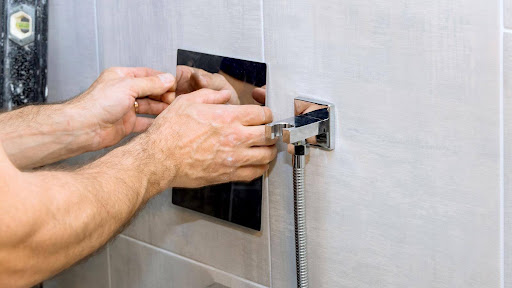
A new shower can improve comfort, water control and the overall appearance of a bathroom, but successful installation depends on much more than choosing attractive fittings. Water pressure, pipework, drainage, waterproofing and ventilation all need to work together.
Professional Shower Installation in Southampton can help homeowners plan these elements properly before walls, tiles and fittings are finished. This matters because a bathroom may look perfect on the surface while a poor connection or hidden leak is quietly causing damage behind it.
Start With the Existing Plumbing Layout
Before choosing a shower, it helps to understand what is already installed.
The location of hot and cold supplies, waste pipework and existing drainage can influence both the type of shower and the amount of work required. Moving pipework may be possible, but it can increase labour and disruption.
Keeping the new layout practical often helps control costs.
A good installation should work with the bathroom rather than forcing unnecessary changes simply for appearance.
Water Pressure Can Affect Shower Performance
Not every shower system performs equally well with every water supply.
Poor pressure can result in disappointing flow, while unsuitable equipment may place unnecessary demands on the plumbing system. The type of hot water system in the property can also influence which shower options are appropriate.
Checking pressure before installation helps avoid choosing fittings that look impressive but perform poorly.
A luxury shower head with barely enough flow to wet a toothbrush is not exactly the bathroom upgrade anyone planned.
Waterproofing Is Just as Important as the Shower Itself
Bathrooms regularly deal with large amounts of water and moisture.
The area around the shower should be properly sealed so water cannot reach walls, floors or timber beneath the finished surfaces. Joints around trays, enclosures and fittings need particular attention.
Poor sealing may not create an obvious problem immediately.
Small amounts of water can penetrate gradually, causing staining, damaged plaster or deterioration beneath tiles before the homeowner realises anything is wrong.
Drainage Needs to Keep Up With the Water Flow
A shower must remove water as efficiently as it delivers it.
If the waste pipe is restricted, poorly positioned or incorrectly installed, water may drain slowly or begin collecting in the tray. Hair and soap residue can make the problem worse over time.
Drainage should therefore be checked during installation rather than treated as an unrelated issue.
A correctly fitted shower with poor drainage is still an unsuccessful bathroom system.
Which Shower Type Is Right for the Property?
The most suitable option depends on the plumbing system, available space and how the bathroom will be used.
Common choices may include mixer showers, electric showers and thermostatic systems. Walk-in layouts and enclosed shower trays create different design requirements again.
Homeowners should think about everyday practicality as well as appearance.
Families may prioritise ease of use, while smaller bathrooms may benefit from layouts designed to use space more efficiently.
Ventilation Helps Protect the Bathroom
Moisture does not disappear when the shower is switched off.
Steam and condensation can remain in the room, particularly where ventilation is poor. Over time, this can contribute to mould, peeling paint and deterioration around windows or ceilings.
Good ventilation helps remove excess moisture from the room.
Extractor fans, appropriate airflow and moisture-resistant finishes can all form part of a better long-term bathroom setup.
Hidden Leaks Can Develop After Installation
Even well-used bathrooms can develop leaks later.
Seals deteriorate, joints loosen and pipework can become damaged. Some leaks appear immediately around the shower enclosure, while others remain concealed behind walls or beneath floors.
The second type can be more difficult to identify.
Water may travel away from the original source before becoming visible, making the location of the damp patch misleading.
What Are the Signs of a Hidden Bathroom Leak?
Hidden water leaks often leave indirect clues rather than obvious running water.
Warning signs can include:
- Damp patches on ceilings or walls
- Peeling paint
- Swollen skirting or flooring
- Musty smells
- Discoloured grout
- Water marks below bathrooms
- Unexplained moisture
- Persistent mould around one area
If these signs continue after surface cleaning or resealing, further investigation may be needed.
Do Not Assume the Nearest Fixture Is the Cause
Water can travel along pipes, joists and other surfaces before appearing.
A stain beneath a shower does not automatically mean the shower tray is leaking. The problem might involve a supply pipe, waste connection, seal or another nearby fixture.
This is why repeatedly applying sealant without diagnosing the source can waste time.
Proper leak investigation aims to identify where the water begins, not merely where it finally becomes visible.
Leak Detection Can Reduce Unnecessary Damage
Professional Leak Detection in Surrey can be useful when water loss or damp is suspected, but the source is hidden.
Finding the affected area accurately can help avoid unnecessary removal of large sections of walls, flooring or bathroom finishes. The exact investigation method depends on the plumbing layout and symptoms present.
Early detection is particularly valuable in recently decorated bathrooms where extensive exploratory damage would be frustrating and costly.
Fix the Cause Before Replacing Finishes
Damaged paint, flooring or plaster should not be repaired until the source of moisture has been addressed.
Otherwise, the same problem may return beneath the new finish.
Once the leak is repaired, affected areas may also need sufficient time to dry before restoration begins. This helps reduce the chance of trapped moisture creating further deterioration.
Cosmetic repair should always come after the plumbing problem, not before it.
A Reliable Bathroom Depends on What You Cannot See
Good bathroom work combines visible design with reliable plumbing behind the surfaces.
MSJ Plumbing and Drainage LTD. supports homeowners with plumbing installations and fault investigation where water supply, drainage and leak prevention all need careful attention.
By planning shower installation properly and responding quickly to signs of hidden water loss, homeowners can protect both the bathroom and the surrounding property while avoiding repairs that become larger simply because the original problem was left unnoticed.