

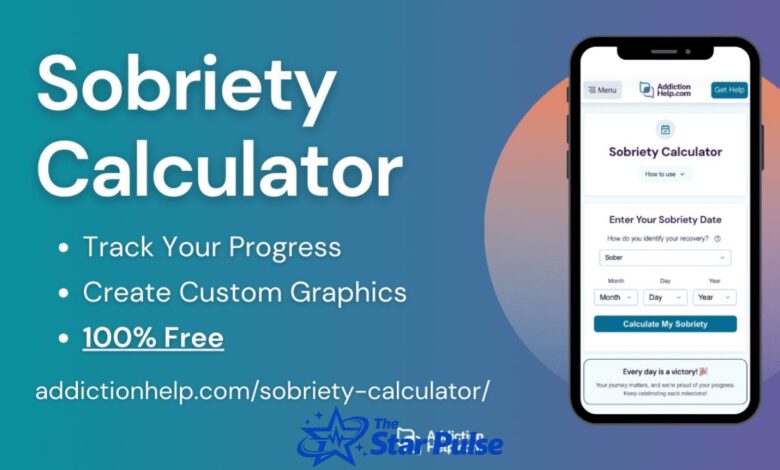
A Sobriety Calculator is a simple and useful tool that helps people track how long they have gone without drinking alcohol or using another substance they are working to avoid. By entering a sobriety start date, users can calculate their progress in days, weeks, months, and years. For people beginning recovery, maintaining long-term sobriety, or celebrating a personal milestone, this tool provides a clear picture of the progress they have made. It can also help users recognize important dates, reflect on positive lifestyle changes, and stay motivated during difficult moments. Although a sobriety calculator cannot measure every aspect of recovery, it offers an accessible way to recognize progress and turn an important personal goal into something measurable.
What Is a Sobriety Calculator?
A Sobriety Calculator is an online tool that estimates the amount of time a person has remained sober since a chosen starting date. Most calculators require only a date, although some allow users to enter a specific time for a more precise result. After entering the information, the tool calculates the elapsed period and displays the result in days, weeks, months, or years. Some versions also include sobriety milestones, estimated financial savings, and progress-tracking features. A Sober Day Calculator is another common name for this type of tool. Its main purpose is to make personal progress easier to understand without requiring users to count every day manually. Results are most meaningful when the start date is accurate and the user understands what period of sobriety they are tracking.
How Does a Sobriety Calculator Work?
Using an online Sobriety Calculator is generally straightforward. First, choose the date you stopped drinking alcohol or began your current recovery journey. Next, enter that date into the calculator and select the calculation option, if available. The tool compares the starting date with the current date to determine the elapsed time. For example, if your selected date was 30 days ago, the calculator may display approximately one month of progress, depending on the calendar dates involved. Some tools calculate the exact number of days, while others convert the result into weeks, months, and years. More advanced versions may let users record several milestones or estimate money saved. Remember that calendar months have different lengths, so a precise day count is often the clearest way to measure elapsed time.
How to Calculate Your Sober Days
You can calculate your sober days manually or use a Sober Time Calculator for convenience. To calculate the elapsed period manually, subtract your sobriety start date from the current date. For example, if you began your sobriety journey on October 1 and check your progress on October 31 of the same year, 30 full days have elapsed. However, the displayed total may differ if a tool counts the starting day as day one rather than counting only completed days. This distinction explains why two calculators sometimes produce slightly different results. If you want consistent tracking, use the same counting method each time. A digital calculator can reduce arithmetic errors, especially when your sobriety journey spans several months, crosses a year boundary, or includes leap-year dates.
Understanding Sobriety Milestones
Sobriety milestones are meaningful points that recognize the time and effort invested in recovery. Common milestones include 24 hours, one week, 30 days, 90 days, six months, and one year. Some people also celebrate two-year, five-year, and longer anniversaries. A Sobriety Calculator helps identify these dates so users can acknowledge progress instead of allowing important achievements to pass unnoticed. Celebrating a milestone does not need to involve a large event; writing a reflection, spending time with supportive friends, or choosing a healthy reward can be enough. Every person’s recovery journey is different, and milestones should serve as encouragement rather than pressure. Progress also includes developing healthier routines, seeking support, and learning to respond to difficult situations more effectively.
Benefits of Using a Sobriety Tracker
A Sobriety Tracker provides a visible record of progress that may otherwise be difficult to recognize during everyday life. Seeing the number of sober days increase can offer encouragement, especially when recovery feels challenging. Tracking can also help users reflect on changes in their routines, relationships, spending habits, and emotional well-being. Some people keep a journal alongside their calculator to record achievements and situations that trigger cravings. Over time, these notes can reveal useful patterns and help individuals prepare for difficult circumstances. However, the number displayed should never become the only measure of success. Recovery is about building a healthier and more stable life, not simply accumulating days. If someone experiences a setback, they still retain the knowledge, skills, and progress developed during their recovery.
Sobriety Calculator and Financial Savings
Quitting alcohol may reduce spending, and a sobriety calculator with a savings feature can help estimate the difference. To calculate potential savings, multiply your usual alcohol spending by the number of days tracked, using an appropriate daily average. For example, someone who previously spent $10 per day on alcohol could estimate $300 in avoided spending over 30 days. This is an illustration, not a guarantee of actual savings, because spending habits and replacement expenses vary. A Sobriety Savings Calculator may also allow users to estimate monthly or yearly savings. Tracking this amount can help people identify practical goals, such as paying bills, building an emergency fund, or saving for a meaningful purchase. The most useful estimates are realistic and based on previous spending rather than assumptions about future finances.
Tracking Health and Lifestyle Progress
A Sobriety Calculator measures elapsed time, but users can also monitor lifestyle changes alongside their sober days. Depending on the individual, these changes may include more consistent sleep, improved daily routines, fewer alcohol-related expenses, or greater involvement in hobbies and relationships. Keeping a personal record can make gradual improvements easier to notice. However, health outcomes differ from person to person and depend on several factors, including previous alcohol consumption, existing health conditions, and access to support. A calculator cannot determine whether someone’s body has fully recovered or predict when specific benefits will appear. People with concerns about withdrawal symptoms or ongoing health problems should seek professional medical guidance. The calculator is best treated as a progress-tracking aid, not a medical assessment or substitute for appropriate treatment.
Choosing the Right Sober Date Calculator
The best Sober Date Calculator is easy to use, provides clear results, and explains how it counts elapsed time. Before choosing a tool, consider whether it calculates days accurately, displays future milestones, and works well on mobile devices. Privacy is also important because recovery information is personal. Check whether a website stores submitted dates, requires an account, or shares information with third parties. A basic calculator that processes dates without collecting unnecessary personal details may be sufficient for many users. If you want more comprehensive tracking, look for optional journaling, reminders, or milestone notifications. You do not need an expensive application to recognize progress; the right tool is the one that supports your needs without creating unnecessary pressure.
Staying Motivated During Recovery
Motivation can change throughout recovery, which is why a Sobriety Calculator works best when combined with realistic daily habits. Consider setting small goals, maintaining a consistent routine, and identifying activities that help you manage stress. Support groups, trusted friends, counselors, and healthcare professionals can provide additional encouragement when needed. It may also help to write down personal reasons for pursuing sobriety and revisit them during difficult periods. A milestone reminder can offer a useful opportunity to reflect on these reasons. Avoid comparing your progress with someone else’s timeline because recovery experiences vary considerably. If maintaining a streak begins to create anxiety or shame, remember that a number does not define your worth. The broader goal is to support lasting well-being and healthier choices.
Common Mistakes When Using a Sobriety Calculator
One common mistake is entering an incorrect start date, which produces an inaccurate result. Another is assuming that every calculator uses the same counting method. Some count completed days, while others include the starting date in their displayed total. Users may also confuse a calendar month with a fixed 30-day period or assume that an estimated savings figure represents money actually available. To avoid these problems, verify your date, check the tool’s counting rules, and treat financial figures as estimates. Another important consideration is defining what sobriety means for your personal goal. Someone tracking alcohol-free days may use a different starting point from someone tracking recovery from another substance. Clear definitions make your records more consistent and meaningful.
Sobriety Calculator vs. Recovery Apps
A Sobriety Calculator focuses primarily on elapsed time, while a recovery app may provide a broader collection of features. Depending on the application, these features can include daily check-ins, mood tracking, educational resources, peer communities, and reminders. A calculator may be preferable for people who want a quick result without downloading software or creating an account. A dedicated recovery app may suit those who want regular support and more detailed records. Neither option guarantees recovery, and users should assess privacy policies before entering sensitive information. Some people combine a simple calculator with a journal or professional support. The most suitable approach depends on personal preferences, accessibility, and the kind of encouragement needed throughout the recovery process.
When to Seek Professional Support
A Sobriety Calculator can encourage reflection, but it cannot replace medical care or treatment for substance use disorders. People who drink heavily or regularly may experience dangerous withdrawal symptoms when they stop suddenly. Symptoms can include shaking, sweating, vomiting, and severe anxiety; serious complications may include seizures or delirium. Anyone who may be physically dependent on alcohol should contact a healthcare professional before stopping abruptly. Seizures, severe confusion, hallucinations, or other severe symptoms require emergency medical attention. Counseling, structured treatment, and peer-support programs may also help people maintain recovery. Seeking assistance is a positive step, not a failure. A calculator can record elapsed time, while qualified professionals can help address the physical, emotional, and practical aspects of recovery.
Final Thoughts
A Sobriety Calculator is a practical way to track sober days, recognize milestones, and reflect on personal progress. Whether you use a basic online tool or a more advanced sobriety tracker, consistent recording can make your recovery journey easier to understand. Related tools, such as an Alcohol-Free Days Calculator and Sobriety Savings Calculator, can provide additional perspectives on time and spending. Nevertheless, meaningful recovery involves more than dates and numbers. Healthy routines, supportive relationships, professional guidance when necessary, and realistic expectations all play important roles. Celebrate achievements without comparing yourself to others, and remember that seeking help after a difficult period is always worthwhile. Use your calculator as a supportive reminder that every day offers another opportunity to make choices that align with your well-being.
FAQs
1. What is a Sobriety Calculator?
A Sobriety Calculator is a tool that calculates how much time has passed since a selected sobriety start date. It can display progress in days, weeks, months, and years, helping users recognize milestones and maintain a consistent record of their recovery journey.
2. How do I calculate my sober days?
Enter the date you began your sobriety journey into an online calculator. The tool compares that date with the current date and calculates the elapsed time. Check whether it counts completed days or includes the starting date to understand the result correctly.
3. Can a sobriety calculator track money saved?
Yes. Some calculators estimate potential savings based on previous alcohol spending. Enter your average daily or weekly expenditure and the period being tracked. Remember that the result is an estimate, and actual savings depend on your spending habits and other expenses.
4. What are common sobriety milestones?
Common milestones include one day, seven days, 30 days, 90 days, six months, and one year. People may celebrate additional anniversaries according to their preferences. These milestones recognize effort and progress but should not be treated as the only measures of recovery.
5. Is a sobriety calculator accurate?
A sobriety calculator can accurately calculate elapsed calendar time when the starting date and counting method are correct. However, it cannot measure physical recovery, determine whether treatment is needed, or predict future outcomes. Use it as a tracking tool alongside appropriate support when necessary.