
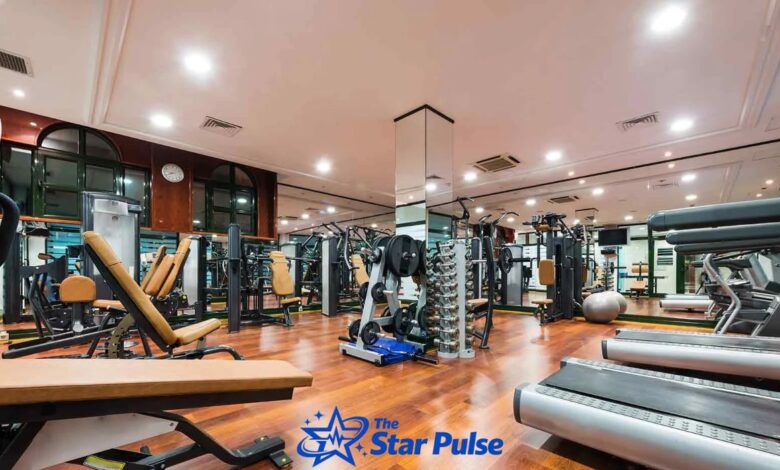
Opening or expanding a gym requires more than a good location and experienced trainers. You also need reliable treadmills, strength machines, exercise bikes, free weights, and other essential fitness equipment. However, purchasing everything upfront can put significant pressure on your business finances, especially when you are still building a customer base. Learning how to Finance Fitness Equipment strategically can help you create a professional workout environment while keeping enough cash available for rent, salaries, marketing, utilities, and everyday operating expenses.
Fitness equipment financing allows gym owners to spread equipment costs over an agreed period instead of paying the entire amount immediately. Depending on your business needs, you may consider equipment loans, leasing arrangements, business lines of credit, or financing offered by equipment suppliers. Each option has different costs, eligibility requirements, and ownership conditions. The best choice depends on your budget, credit profile, expected revenue, and long-term business goals. With careful planning, you can invest in quality equipment without sacrificing the financial stability your gym needs to succeed.
Understand Your Gym’s Equipment Financing Needs
Before applying for fitness equipment financing, identify which machines and accessories your gym genuinely needs. A new fitness studio may require adjustable dumbbells, benches, resistance bands, and a few cardio machines, while a large commercial gym might need multiple strength stations, racks, and advanced cardiovascular equipment. Create an equipment inventory and divide purchases into essential, useful, and optional categories. This approach prevents unnecessary borrowing and helps you determine a realistic financing amount.
Next, estimate the complete cost of purchasing and installing the equipment. Include delivery, assembly, flooring adjustments, maintenance arrangements, warranties, and applicable taxes. If you plan to purchase imported machines, consider possible currency fluctuations and shipping charges. A detailed budget provides a clearer picture of your funding requirements and helps you compare lenders accurately. Rather than financing every item automatically, consider whether some lower-cost accessories can be purchased with existing funds while reserving financing for expensive machines that generate long-term value.
Explore Different Gym Equipment Financing Options
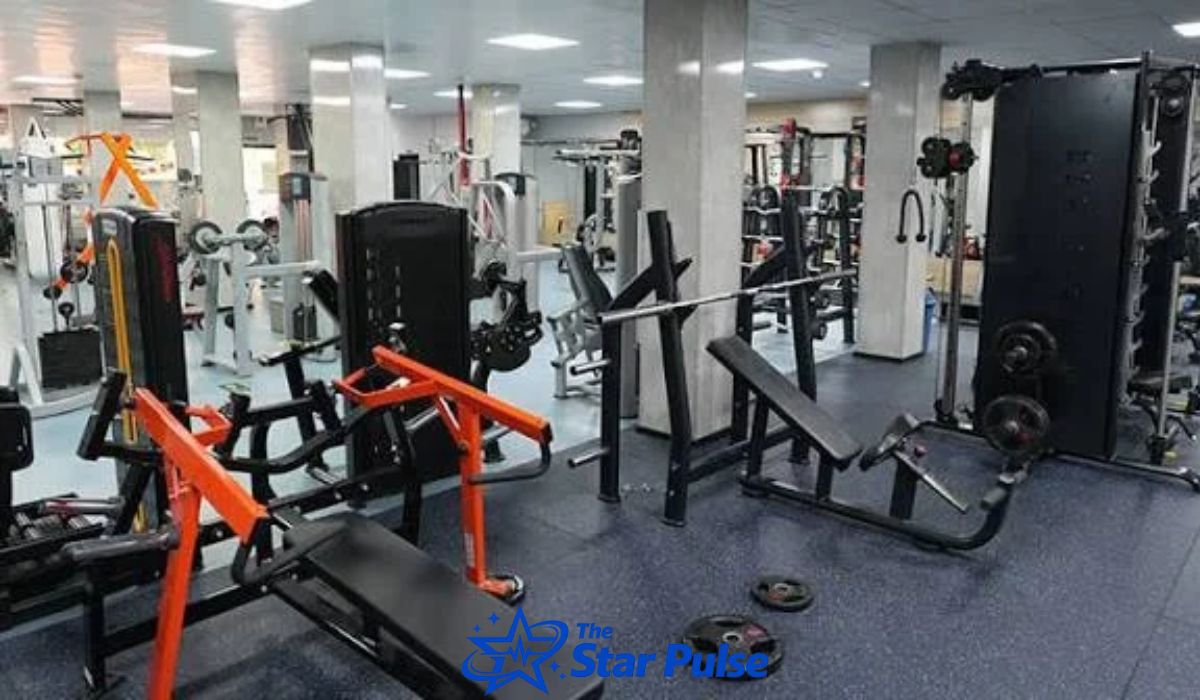
There are several ways to finance fitness equipment, and understanding their differences can help you select a suitable arrangement. Equipment loans allow you to borrow money to purchase machines, usually through scheduled repayments over a fixed term. Equipment leasing lets you use machines in exchange for regular payments, although ownership depends on the agreement. A business line of credit provides access to funds up to an approved limit, which can be useful when purchasing equipment in stages. Some suppliers also offer installment plans through financing partners. Compare the annual percentage rate (APR), deposit, repayment schedule, fees, and early repayment conditions before signing. The cheapest monthly payment is not always the most affordable deal because a longer term can increase the total interest paid.
Compare Equipment Loans and Leasing Carefully
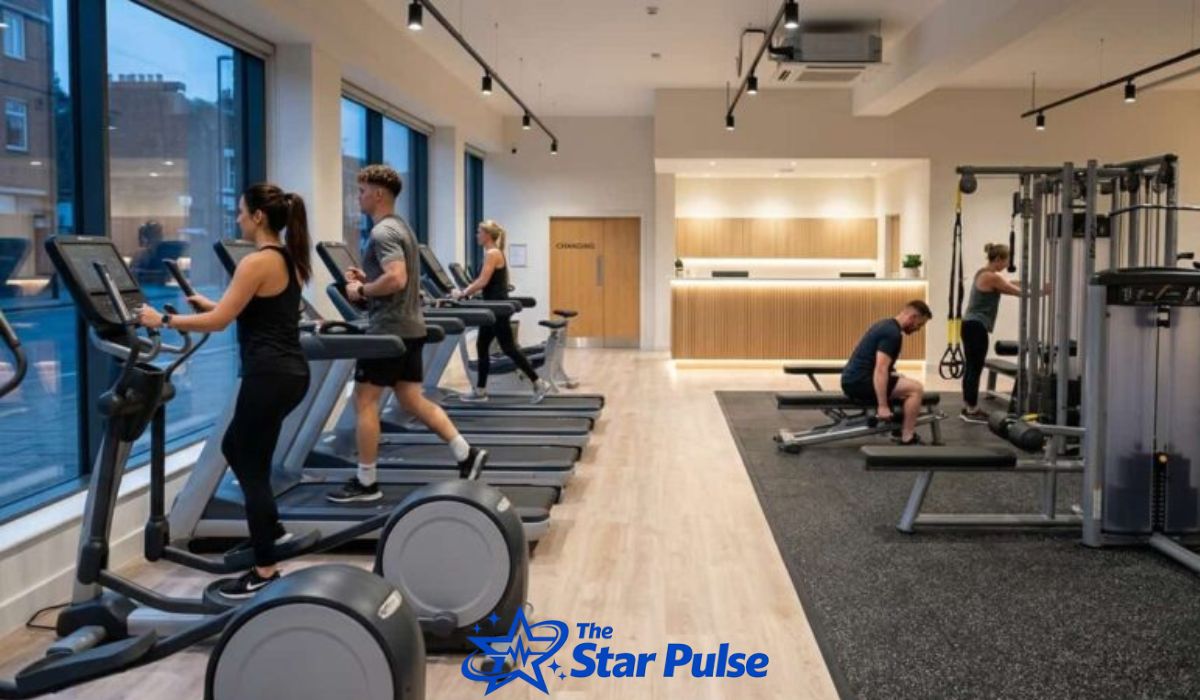
Gym equipment loans versus leasing is an important decision for business owners. A loan may be preferable when you want to own the equipment, keep it for many years, and build business assets. Once the loan is repaid, you generally retain the machine without further loan payments, although maintenance costs continue. Leasing may be more appropriate if you want to preserve upfront cash, regularly upgrade technology, or test demand before making a long-term commitment. However, leasing contracts can include usage restrictions, return conditions, maintenance responsibilities, and charges for early termination or excessive wear. Some leases offer a purchase option at the end, while others require you to return the equipment. Calculate the total cost over the period you expect to use each machine before choosing.
Protect Your Cash Flow Before Borrowing
Maintaining positive cash flow should be a priority when financing fitness equipment. Your gym must continue paying rent, employee salaries, electricity bills, insurance, cleaning expenses, and software subscriptions even when membership revenue fluctuates. Before accepting financing, prepare a monthly cash flow forecast that includes expected income, fixed expenses, variable costs, and loan repayments. Use conservative membership estimates rather than assuming every available space will immediately be filled. Keep a cash reserve for emergencies, repairs, and seasonal declines in attendance. If a proposed repayment would leave little money for ordinary operations, reduce the amount borrowed, delay optional purchases, or negotiate a longer repayment schedule that genuinely fits your finances. Avoid relying on future membership growth to cover payments you cannot currently manage.
Improve Your Chances of Financing Approval
Lenders typically evaluate your ability to repay, business history, creditworthiness, and existing financial obligations. New gym owners may face additional scrutiny because their businesses have limited revenue records. To strengthen an application, prepare recent bank statements, tax documents where applicable, business registration information, financial projections, and a detailed equipment quotation. Established gyms should also organize profit-and-loss statements and records showing consistent membership income. Check your credit reports for errors and address outstanding obligations before applying. A larger down payment may reduce the amount borrowed and demonstrate financial commitment, although it should not consume your entire operating reserve. Approval standards vary by lender and country, so confirm the specific requirements before submitting applications.
Calculate the True Cost of Fitness Equipment Financing
The advertised interest rate does not always reveal the full cost of borrowing. Examine the APR where available, origination charges, documentation fees, mandatory insurance, deposit requirements, and any balloon payment due at the end. For example, financing $20,000 over 36 months at a hypothetical 10% annual interest rate would produce a payment of approximately $645 per month under a standard fixed-rate repayment structure, excluding additional fees. The total of those payments would be about $23,220. Actual offers may differ according to compounding methods, lender fees, and repayment terms. Compare written quotations using the same borrowing amount and repayment period. This makes it easier to identify the most affordable offer instead of choosing one based only on its monthly payment.
Choose Equipment That Generates Long-Term Value
Not every machine deserves the same financing priority. Focus on equipment that matches your target audience, training programs, and available floor space. A strength-focused gym may benefit more from durable racks, benches, cable machines, and weight sets than from expensive interactive cardio equipment. A boutique studio may prioritize compact, versatile equipment that supports multiple classes. Evaluate durability, manufacturer reputation, warranty coverage, replacement-part availability, and expected maintenance requirements. Cheaper machines can become expensive if frequent repairs interrupt workouts or require repeated service visits. Ask suppliers about commercial warranties and maintenance plans, and compare refurbished equipment from reputable sellers when appropriate. The objective is to purchase machines that deliver reliable service and support membership retention throughout the financing period.
Negotiate With Equipment Suppliers
Suppliers may offer discounts, seasonal promotions, bundled packages, delivery arrangements, or payment options that reduce your initial investment. Request quotations from multiple vendors and compare specifications rather than comparing prices alone. For example, one package may appear cheaper but exclude installation, training, or essential accessories. Ask whether the supplier works with independent lenders and whether its financing offer includes additional fees. You can also negotiate phased delivery, allowing essential equipment to arrive first while other items are purchased later. Before paying a deposit, review cancellation policies, delivery deadlines, warranty conditions, and procedures for handling damaged machines. Negotiation does not guarantee a lower interest rate, but comparing offers can help you secure better overall value without committing more cash than your business can comfortably afford.
Consider Used and Refurbished Fitness Equipment
Used and refurbished equipment can lower the amount you need to borrow, especially when furnishing a new gym. Commercial-grade machines from established manufacturers may offer years of useful service when properly maintained. However, inspect their condition carefully before purchasing. Check motors, cables, bearings, electronic displays, upholstery, safety mechanisms, and available replacement parts. Request service records and verify whether any remaining warranty transfers to the new owner. Some lenders may restrict financing for older machines or private-party purchases, so confirm eligibility before making a commitment. Calculate transportation, installation, inspection, and potential repair costs alongside the purchase price. A refurbished machine from a reputable dealer may provide a better balance of reliability and affordability than an unusually cheap unit with an uncertain maintenance history.
Use Equipment Financing to Support Business Growth
Financing can help an established gym expand its services without waiting until it has accumulated the full purchase price. Adding strength equipment, expanding a functional training area, or replacing unreliable cardio machines may improve the member experience and attract new customers. However, expansion should be supported by measurable demand. Review membership trends, class attendance, waiting lists, equipment usage, and customer feedback before investing. Estimate the additional revenue that new equipment could realistically generate, and account for added staffing, electricity, cleaning, and maintenance costs. If a new machine is expected to attract more members, calculate how many additional memberships would be needed to cover its financing payment and associated expenses. This break-even analysis helps you distinguish a productive investment from an expensive purchase that creates unnecessary financial pressure.
Understand Tax and Accounting Considerations
Fitness equipment purchases and financing agreements may have different accounting and tax implications depending on your business structure and jurisdiction. Purchased equipment may qualify for depreciation, while interest expenses or lease payments may receive different treatment under local rules. Certain jurisdictions also offer capital allowances or accelerated deductions, but eligibility and limits vary. Do not assume that every financed purchase qualifies for an immediate tax deduction or that every lease payment is fully deductible. Keep invoices, financing contracts, payment records, and maintenance receipts organized from the beginning. Ask a qualified accountant to explain how the agreement should be recorded, whether sales taxes apply, and which deductions may be available. Proper recordkeeping supports accurate financial reporting and helps you compare financing options using their potential after-tax costs.
Avoid Common Fitness Business Financing Mistakes
One common mistake is borrowing too much because a lender approves a large amount. Approval indicates that a lender is willing to offer financing, not that the entire amount suits your business. Other mistakes include ignoring fees, overlooking restrictive lease terms, purchasing equipment before confirming delivery schedules, and choosing machines that do not match member demand. Applying to numerous lenders without understanding their credit-check policies can also complicate the process. Read every agreement carefully, verify repayment dates, and understand what happens after a missed payment. Some agreements may allow repossession of financed equipment or impose additional charges following default. Compare alternatives before committing, and never assume future revenue will automatically cover today’s obligations. A disciplined purchasing plan can protect both your gym’s equipment budget and its everyday operations.
Create a Sustainable Equipment Financing Plan
A practical financing plan begins with a prioritized equipment list, a maximum affordable budget, and a realistic repayment limit. Compare at least several suitable offers when possible, examine their complete costs, and select terms that align with the equipment’s expected useful life. Purchase essential items first, monitor cash flow after installation, and postpone optional upgrades until membership income supports them. Review equipment utilization and maintenance expenses regularly to identify underused assets and avoid unnecessary replacement purchases. As your gym grows, use actual financial results to guide future borrowing rather than relying entirely on projections. Keeping financing decisions connected to customer demand, operating reserves, and long-term business goals makes it easier to modernize your facility without compromising financial stability.
Final Thoughts
Learning how to Finance Fitness Equipment can help you build or expand a gym without exhausting your working capital. Equipment loans, leasing, supplier financing, and refurbished purchases each offer different advantages, but the right option depends on your budget, business performance, and ownership preferences. Compare total costs, protect your emergency reserves, and prioritize equipment that serves your members and supports sustainable revenue. Most importantly, choose repayments your business can manage even during slower months. A thoughtful financing strategy allows you to invest in better facilities while maintaining the financial flexibility needed for long-term success.
FAQs
1. How can I finance fitness equipment?
You can finance fitness equipment through equipment loans, leasing agreements, business lines of credit, or supplier installment plans. Compare interest rates, fees, repayment terms, and ownership conditions before choosing.
2. Is leasing better than buying gym equipment?
Leasing can reduce upfront costs and provide flexibility when upgrading equipment. Buying may be more economical over the long term if you intend to keep machines for many years. Compare the total costs before deciding.
3. Can a new gym qualify for equipment financing?
Yes, some lenders finance startups, although eligibility varies. You may need a business plan, credit history, financial projections, equipment quotations, and a down payment. Startup applicants should compare lenders that specifically support new businesses.
4. How much does fitness equipment financing cost?
Costs depend on the amount borrowed, interest rate, repayment period, and additional fees. Request written quotations and calculate the total repayment amount instead of evaluating offers solely by their monthly payments.
5. How can I finance gym equipment without hurting cash flow?
Prioritize essential equipment, compare financing offers, maintain an emergency reserve, and forecast monthly revenue and expenses. Choose repayments that remain manageable during slower business periods, and postpone unnecessary purchases until your finances improve.